



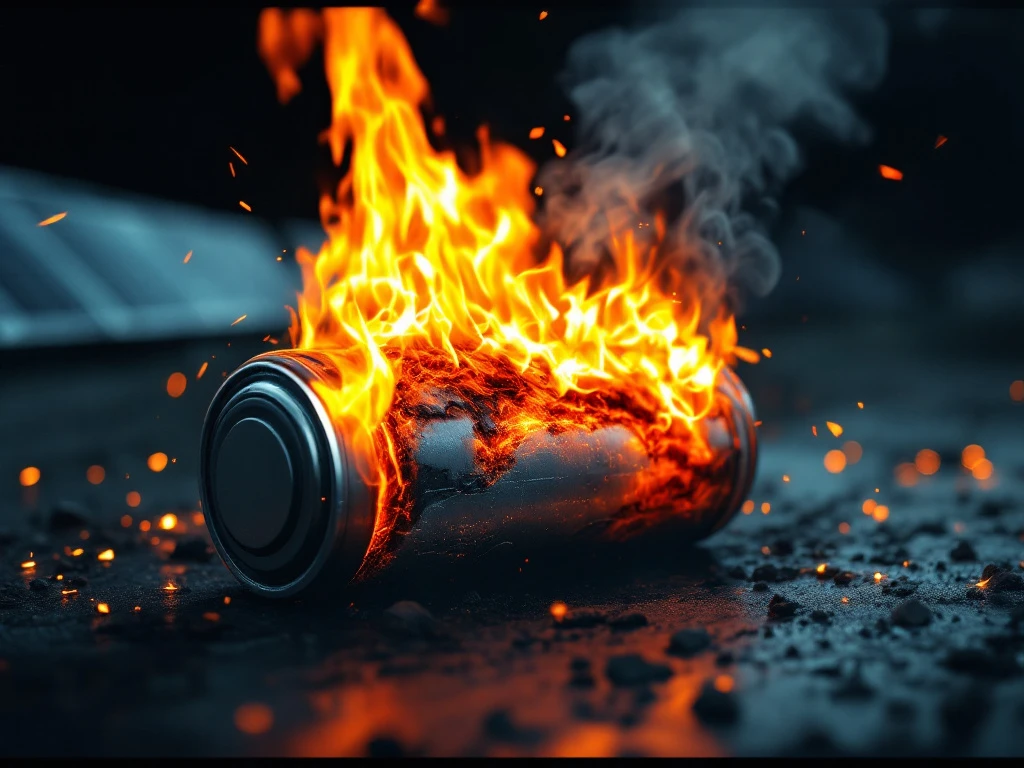
How do lithium-ion battery fires start?
Lithium-ion battery fires start through a dangerous process called thermal runaway, where rising temperatures trigger chemical reactions that generate even more heat. This creates a self-sustaining chain reaction that’s extremely difficult to stop once it begins. Battery storage fire incidents typically result from manufacturing defects, physical damage, overcharging, or extreme temperatures that compromise the battery’s internal structure and safety systems.
What exactly happens when a lithium-ion battery catches fire?
When a lithium-ion battery catches fire, it undergoes thermal runaway – a cascading chemical reaction where heat generation accelerates uncontrollably. The battery’s internal temperature rises rapidly, causing the electrolyte to break down and release flammable gases whilst the separator between electrodes fails.
During thermal runaway, temperatures can exceed 1000°C within individual cells. The lithium salts and organic solvents inside the battery decompose, producing toxic gases including hydrogen fluoride, carbon monoxide, and various hydrocarbons. These gases can ignite, creating intense flames that burn at extremely high temperatures.
What makes battery storage fire incidents particularly dangerous is the propagation effect. Heat from one failing cell transfers to adjacent cells, triggering thermal runaway throughout the entire battery pack. This chain reaction continues even when external power sources are disconnected, making the fire self-sustaining and incredibly challenging for emergency responders to extinguish.
The chemical reactions also produce oxygen internally, meaning these fires can continue burning even in oxygen-starved environments. Traditional firefighting methods often prove ineffective, as water can conduct electricity and create toxic runoff (effluent). However, large volumes of water are commonly used by emergency responders externally to cool adjacent cells and prevent fire propagation.
What are the most common causes of lithium-ion battery fires?
Manufacturing defects represent the leading cause of lithium-ion battery fires, including contamination during production, faulty separators, or inadequate quality control processes. Physical damage from impacts, crushing, or penetration can compromise internal structures and create dangerous short circuits within cells.
Overcharging occurs when batteries receive more electrical energy than they can safely store, causing excessive heat buildup and potential thermal runaway. This often results from faulty charging systems, inadequate battery management systems (BMS), or improper installation practices that don’t account for charging parameters.
Extreme temperatures, both hot and cold, stress battery components and can trigger failures. High ambient temperatures reduce the thermal threshold for runaway reactions, whilst very low temperatures can cause lithium plating if the battery is charged while cold. Plating creates internal shorts when the battery is warmed up. Age-related deterioration also increases fire risk as battery chemistry degrades over time.
External electrical faults, such as damaged wiring or faulty inverters, can send incorrect voltage or current to battery systems. Poor ventilation compounds these risks by allowing heat and potentially explosive gases to accumulate around battery installations.
How can you tell if a lithium-ion battery is about to fail?
Battery swelling is one of the most visible warning signs, indicating internal gas buildup from chemical breakdown. Unusual heat generation during normal operation suggests internal resistance problems or early-stage thermal issues that could escalate rapidly.
Strange chemical odours, particularly sweet or acrid smells, indicate electrolyte leakage or decomposition. Performance degradation, such as significantly reduced capacity or inability to hold charge, often precedes more serious failures. Visual damage including cracks, corrosion, or discolouration on battery casings signals potential internal compromise.
Monitoring systems may detect voltage irregularities, with individual cells showing abnormal readings compared to others in the pack. Frequent BMS alarms or protective shutdowns indicate the system is working harder to maintain safe parameters, suggesting underlying problems.
Temperature sensors showing persistent hot spots or gradual temperature increases during idle periods warrant immediate investigation. Regular thermal imaging inspections can reveal developing issues before they become critical failures.
Why are lithium-ion battery fires so dangerous in solar installations?
Solar installations create unique risks because battery systems are often located near other valuable equipment including inverters, transformers, and electrical panels. A battery storage fire can quickly spread to these components, causing extensive damage and prolonged system downtime that affects energy production and revenue.
Outdoor exposure conditions in solar farms subject batteries to temperature extremes, weather events, and UV degradation that indoor systems don’t face. Large-scale installations may contain hundreds of battery modules, meaning a single failure can potentially trigger widespread thermal propagation across multiple units.
Remote locations of many solar installations delay emergency response times, allowing fires to intensify before professional firefighters arrive. The combination of high-voltage DC systems and burning batteries creates complex electrical hazards that require specialised knowledge and equipment to address safely.
Access challenges in solar farms, with equipment spread across large areas and potentially difficult terrain, complicate firefighting efforts. Emergency responders may struggle to isolate electrical systems or reach affected areas quickly, particularly in utility-scale installations.
What safety measures prevent lithium-ion battery fires in renewable energy projects?
Proper installation practices include maintaining adequate spacing between battery modules, ensuring robust ventilation systems, and implementing appropriate fire suppression systems designed specifically for lithium-ion fires. Quality battery management systems with multiple layers of protection monitor cell voltages, temperatures, and current flows continuously.
Temperature control systems, including both heating and cooling capabilities, maintain batteries within optimal operating ranges. Regular monitoring through thermal imaging, electrical testing, and visual inspections helps identify developing problems before they become critical failures.
Professional quality inspections during installation and throughout operational life ensure systems meet safety standards and perform as designed. We conduct comprehensive assessments that evaluate electrical connections, thermal management, and safety system functionality to prevent dangerous failures.
Maintenance protocols should include regular cleaning, connection tightening, and software updates for battery management systems. Emergency response planning, including coordination with local fire services and clear isolation procedures, ensures rapid response when incidents occur.
Proper insurance coverage specifically designed for renewable energy projects provides financial protection against battery-related incidents. Working with experienced insurance brokers who understand the unique risks of solar installations ensures appropriate coverage for both equipment damage and business interruption.
Understanding lithium-ion battery fire risks helps renewable energy professionals make informed decisions about system design, installation practices, and ongoing maintenance. Proper safety measures, quality inspections, and appropriate insurance coverage work together to protect both people and investments in solar energy projects.
Protect Your Solar Investment Today
Don’t let battery fire risks threaten your renewable energy investment. Professional safety assessments and proper risk management are essential for protecting both your equipment and your business. Take action now to ensure your solar installation meets the highest safety standards. Contact us today to discuss comprehensive insurance solutions tailored specifically for your renewable energy project and safeguard your investment against battery-related risks.
Insurance and inspection needs for your BESS?
Contact us today if you want to know more about the possibilities in BESS insurance and Scope inspections.
📧 Email: support@solarif.com
☎️ Phone: +31 (0)26 711 5050