



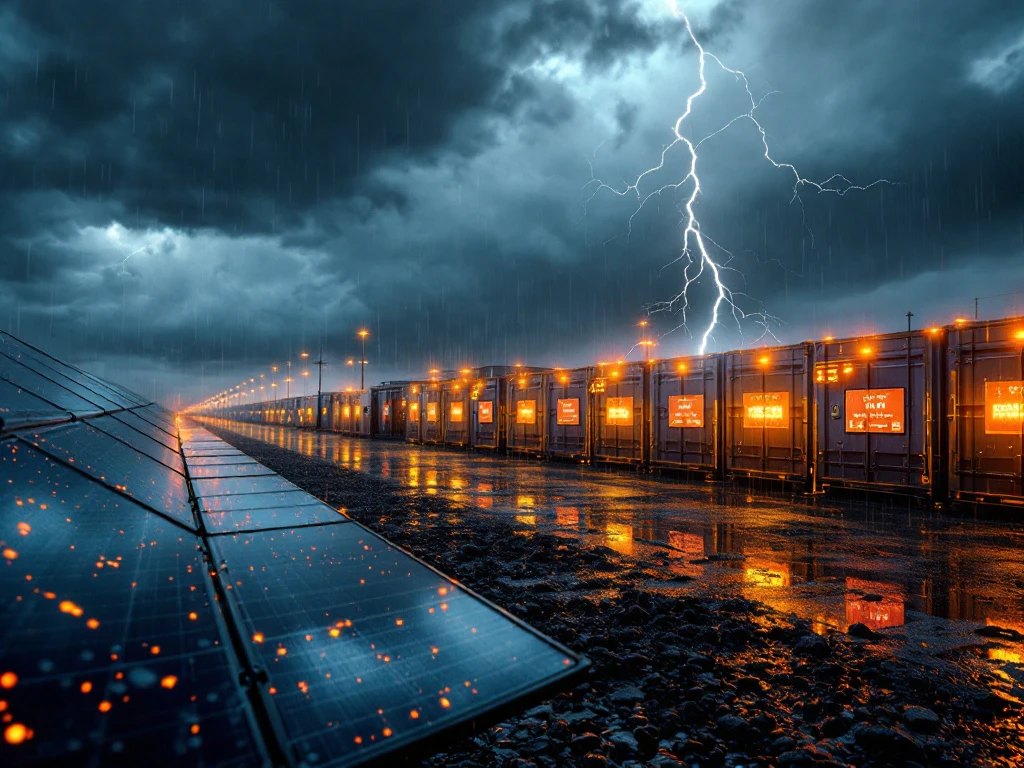
How do weather conditions affect battery storage fire risk?
Weather conditions significantly impact battery storage fire risk through multiple environmental factors. Extreme temperatures, high humidity, precipitation, and severe wind conditions create hazardous environments that can trigger thermal runaway in battery systems. Understanding these weather-related risks helps facilities implement appropriate protective measures to prevent dangerous incidents and maintain safe operations throughout varying seasonal conditions.
What weather conditions pose the greatest fire risk to battery storage systems?
Extreme temperatures above 35°C and below -10°C create the highest fire risks for battery storage systems. High humidity levels exceeding 85%, direct precipitation exposure, and strong winds during storms combine to create particularly hazardous conditions that stress battery management systems and compromise safety protocols.
Temperature extremes place enormous stress on lithium-ion battery cells, which dominate modern battery energy storage systems. When ambient temperatures soar, cooling systems work harder to maintain safe operating ranges, and any failure in thermal management can rapidly escalate to thermal runaway conditions. Cold weather presents different challenges, as batteries struggle to maintain optimal performance and may draw excessive current during charging cycles.
Humidity becomes dangerous when it exceeds normal operating parameters because moisture can infiltrate electrical connections and create corrosion pathways. Combined with temperature fluctuations, high humidity accelerates the degradation of protective seals and weatherproofing materials that keep battery enclosures safe from environmental contamination.
Wind conditions during severe weather events pose indirect but serious risks by affecting cooling system performance, potentially damaging protective structures, and creating debris that can impact battery installations. Strong winds can also exacerbate fire spread if ignition occurs during extreme weather events.
How does temperature affect battery storage fire safety?
Temperature directly impacts battery chemistry and thermal management system performance, with lithium-ion cells becoming increasingly unstable outside their optimal 15-25°C operating range. High temperatures accelerate chemical reactions that can lead to thermal runaway, whilst low temperatures force batteries to work harder during charging cycles, creating internal stress and potential failure points.
Heat represents the most immediate temperature-related fire risk because thermal runaway in lithium-ion batteries is fundamentally a temperature-driven process. When cells exceed safe temperature thresholds, internal chemical reactions become self-sustaining and generate additional heat, creating a cascade effect that can spread throughout battery modules. Modern battery management systems continuously monitor cell temperatures, but extreme ambient conditions can overwhelm even well-designed cooling systems.
Seasonal temperature cycling creates long-term stress on battery components through repeated expansion and contraction of materials. This mechanical stress can compromise seals, connections, and protective barriers that prevent moisture ingress and electrical faults. Battery installations in regions with significant seasonal temperature variations require robust thermal management and regular inspection protocols.
Cold weather presents unique challenges as batteries may experience reduced capacity and require higher charging currents to maintain performance. These conditions can create hot spots within battery packs and place additional stress on electrical connections, potentially leading to arc faults or other ignition sources if protective systems fail.
Why do humidity and moisture create fire hazards in battery systems?
Moisture infiltration causes corrosion of electrical connections and compromises insulation systems, creating pathways for electrical faults that can ignite fires. High humidity levels above 85% accelerate these processes and can interfere with thermal management systems, whilst direct water exposure can cause immediate short circuits and rapid failure of safety systems.
Water and electrical systems create dangerous combinations in battery storage installations. When moisture penetrates battery enclosures, it attacks metal components and creates conductive pathways where none should exist. This corrosion process weakens electrical connections and can cause resistance heating, which generates hot spots that may ignite surrounding materials or trigger thermal runaway in nearby battery cells.
Humidity affects thermal management by reducing the efficiency of cooling systems and creating condensation within enclosures. Condensed moisture can accumulate in electrical compartments and create short circuit conditions, particularly during temperature fluctuations when warm, humid air contacts cooler surfaces within battery installations.
The relationship between humidity and thermal runaway propagation becomes critical during fire events. High moisture content in the air can affect fire suppression system performance and may create steam that spreads contamination throughout battery installations, potentially extending fire damage beyond the initial failure point.
What protective measures reduce weather-related battery fire risks?
Robust environmental controls including climate-controlled enclosures, advanced weatherproofing, continuous monitoring systems, and redundant thermal management significantly reduce weather-related fire risks. Proper installation design with appropriate ingress protection ratings, emergency shutdown systems, and regular maintenance protocols create multiple layers of protection against environmental hazards.
Climate control represents the primary defence against weather-related risks. Professional battery installations utilise dedicated HVAC systems that maintain optimal temperature and humidity ranges regardless of external conditions. These systems include backup power supplies to ensure continued operation during grid outages and incorporate filtration to prevent contaminated air from entering battery enclosures.
Weatherproofing strategies must address both direct and indirect moisture exposure. This includes proper sealing of all penetrations, installation of drainage systems to handle condensation, and selection of materials that resist degradation under local environmental conditions. Regular inspection and maintenance of weatherproofing systems prevents small issues from developing into serious vulnerabilities.
Advanced monitoring systems provide early warning of environmental threats by tracking temperature, humidity, and other atmospheric conditions both inside and outside battery enclosures. These systems can automatically adjust environmental controls, trigger alarms, and initiate shutdown procedures when conditions approach dangerous thresholds.
Design considerations must account for local climate patterns and extreme weather possibilities. This includes structural provisions for wind loads, flood protection where applicable, and adequate spacing between battery modules to prevent fire propagation during thermal runaway events.
How should battery storage systems be monitored during extreme weather events?
Enhanced monitoring during extreme weather requires increased inspection frequency, continuous remote surveillance of critical parameters, pre-positioned emergency response resources, and clear shutdown criteria based on specific environmental thresholds. Systems should implement automated protective responses whilst maintaining human oversight for critical decisions during severe conditions.
Monitoring protocols during extreme weather must intensify beyond normal operational parameters. This includes real-time tracking of cell temperatures, humidity levels, cooling system performance, and electrical parameters that indicate system stress. Automated alerts should trigger when any parameter approaches critical thresholds, providing operators with advance warning before conditions become dangerous.
Emergency response procedures require pre-planning and resource positioning before extreme weather events occur. This includes ensuring fire suppression systems are fully operational, emergency shutdown procedures are tested and ready, and qualified personnel are available to respond rapidly if issues develop. Communication systems must remain functional even during severe weather to coordinate response efforts.
System shutdown criteria should be clearly defined and automatically enforced when environmental conditions exceed safe operating parameters. These criteria must balance system protection against operational requirements, with safety always taking precedence during extreme conditions. Shutdown procedures should include safe disconnection protocols and post-event inspection requirements before resuming operations.
Post-weather event inspections become critical for identifying damage that may not be immediately apparent. These assessments should examine weatherproofing integrity, cooling system function, electrical connections, and overall system performance before returning to normal operations.
Weather-related battery storage fire risks require comprehensive management strategies that address environmental monitoring, protective systems, and emergency response protocols. Professional risk assessment and insurance coverage help ensure adequate protection for these valuable installations. Understanding these weather-related risks enables operators to implement effective protective measures and maintain safe operations throughout varying environmental conditions.
Protect Your Battery Storage Investment Today
Don’t let weather-related risks compromise your battery storage system’s safety and performance. Implementing proper environmental controls, monitoring systems, and protective measures is essential for preventing costly fire incidents and ensuring reliable operations. Our expert team can help you assess your current weather protection strategies and develop comprehensive solutions tailored to your specific environmental challenges. Contact us today to schedule a professional consultation and safeguard your battery storage investment against weather-related fire risks.
Insurance and inspection needs for your BESS?
Contact us today if you want to know more about the possibilities in BESS insurance and Scope inspections.
📧 Email: support@solarif.com
☎️ Phone: +31 (0)26 711 5050