



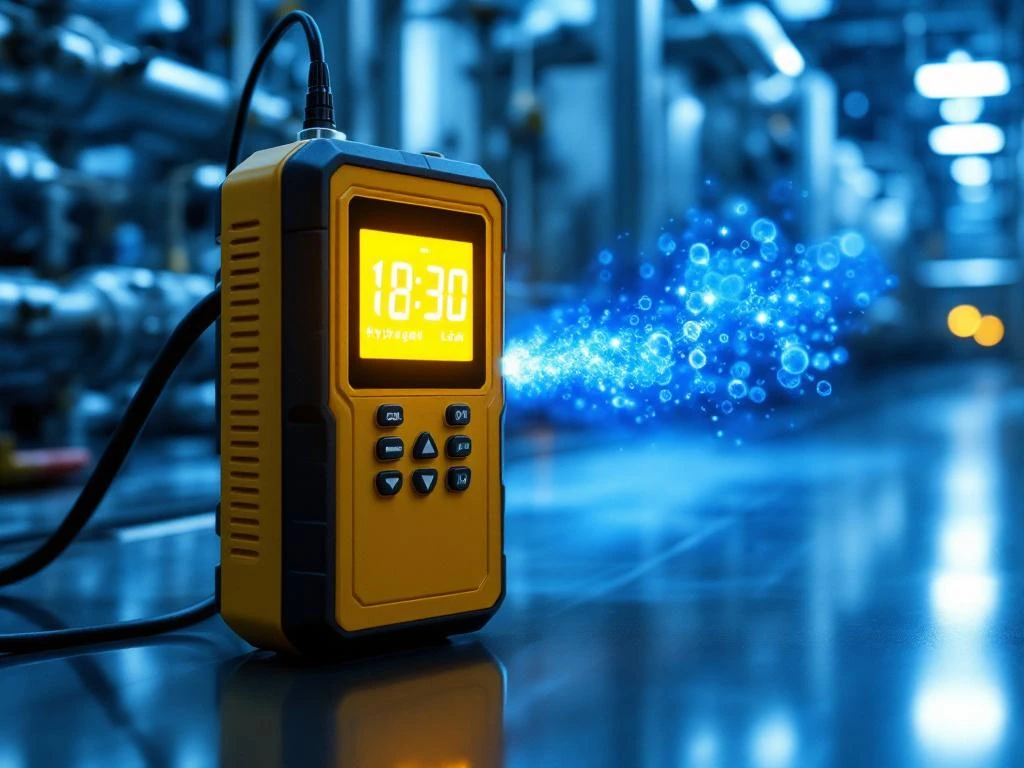
How do you detect hydrogen leaks?
Hydrogen leak detection involves using specialised sensors and monitoring systems to identify the presence of hydrogen gas in the air before it reaches dangerous concentrations. Early detection protects against fire, explosion, and other safety hazards through continuous monitoring and immediate alerts. This guide covers the key methods, technologies, and best practices for effective hydrogen safety monitoring.
What are the most common signs of hydrogen leaks?
Hydrogen leaks often present subtle warning signs that require careful observation. The gas itself is colourless and odourless, making visual detection challenging, but several indicators can alert you to potential problems.
Unusual sounds frequently accompany hydrogen leaks, particularly high-pitched hissing or whistling noises from pipes, valves, or connections. These sounds occur when pressurised hydrogen escapes through small openings, creating distinctive acoustic signatures that trained operators learn to recognise.
Changes in equipment performance can also signal potential leaks. You might notice pressure drops in hydrogen systems, unexpected temperature variations, or reduced efficiency in hydrogen-powered equipment. These operational anomalies often precede more serious safety concerns.
Environmental indicators include frost formation around leak points, especially in high-pressure systems where rapid gas expansion creates cooling effects. Additionally, vegetation near hydrogen installations may show signs of stress or unusual growth patterns due to soil displacement or root exposure to escaping gas.
How do hydrogen leak detection sensors actually work?
Hydrogen detection sensors operate using three primary technologies, each suited to different applications and environments. Understanding these mechanisms helps you select appropriate detection equipment for your specific needs.
Electrochemical sensors work by oxidising hydrogen gas at an electrode surface, generating an electrical current proportional to gas concentration. These sensors offer excellent sensitivity and selectivity for hydrogen, making them ideal for confined spaces and indoor applications where precise measurements matter most.
Thermal conductivity sensors detect hydrogen by measuring changes in heat transfer properties. Hydrogen has exceptionally high thermal conductivity compared to air, so these sensors monitor temperature differences across heated elements to identify gas presence. They perform reliably in industrial environments with varying atmospheric conditions.
Catalytic sensors use heated catalytic elements that react with hydrogen, producing temperature changes that correlate to gas concentrations. These robust sensors handle harsh industrial conditions well and provide reliable detection across wide concentration ranges, though they require regular calibration to maintain accuracy.
What’s the difference between portable and fixed hydrogen detection systems?
Portable and fixed hydrogen detection systems serve complementary roles in comprehensive safety programmes. Each offers distinct advantages depending on your monitoring requirements and operational environment.
Portable detectors provide flexibility for spot-checking, maintenance activities, and investigating suspected leaks. These handheld devices allow operators to test specific locations, verify fixed system readings, and conduct safety surveys in areas without permanent monitoring. However, they require manual operation and cannot provide continuous protection.
Fixed detection systems offer continuous monitoring of critical areas, automatic alarm activation, and integration with safety shutdown systems. These permanently installed units monitor high-risk zones around the clock, providing immediate alerts and enabling rapid emergency response. They typically feature multiple sensor points and centralised control systems for comprehensive coverage.
The main limitation of portable systems lies in their dependency on human operation and limited coverage duration. Fixed systems, while more expensive initially, are less adaptable to changing facility layouts or temporary monitoring needs that portable units can handle effectively.
Where should you place hydrogen detectors for maximum safety?
Strategic detector placement considers hydrogen’s unique properties and behaviour patterns. Hydrogen is lighter than air and rises rapidly, requiring specific positioning strategies for effective detection coverage.
Install detectors at ceiling level or high wall positions in enclosed spaces, as hydrogen accumulates at the highest points. Position sensors within 1–2 metres of potential leak sources, including valves, pipe joints, storage connections, and equipment housings where hydrogen systems operate.
Ventilation patterns significantly influence detector placement. Monitor air movement in your facility and position sensors to intercept hydrogen plumes before they reach ignition sources or accumulate in dangerous concentrations. Consider both natural and mechanical ventilation effects on gas dispersion.
Outdoor installations require different strategies, focusing on immediate leak source areas rather than accumulation points. Place detectors downwind of potential sources when possible, accounting for prevailing weather patterns and seasonal variations that affect gas dispersion.
Regulatory requirements often specify minimum detector densities and maximum spacing distances. Consult relevant safety standards for your industry and location to ensure compliance with mandatory detection coverage requirements.
How often should you test hydrogen detection equipment?
Regular testing ensures your hydrogen detection systems maintain accuracy and reliability when you need them most. Proper maintenance schedules combine daily operational checks with comprehensive periodic testing protocols.
Daily checks should verify system power, alarm functionality, and basic sensor responsiveness. These quick inspections confirm that detection equipment remains operational and ready to respond to actual leak events. Document these checks to maintain compliance records.
Monthly calibration tests using certified reference gases verify sensor accuracy across their operating ranges. This process identifies drift in sensor readings and ensures detection thresholds remain appropriate for your safety requirements. Replace sensors that cannot maintain calibration within acceptable tolerances.
Annual comprehensive inspections examine all system components, including wiring, control panels, alarm devices, and communication systems. These detailed evaluations identify potential reliability issues before they compromise safety performance.
Documentation practices should record all testing activities, calibration results, maintenance actions, and sensor replacements. This information supports regulatory compliance and helps identify patterns that indicate when equipment requires attention or replacement.
How Solarif helps with hydrogen leak detection in renewable energy projects
We specialise in comprehensive safety solutions for renewable energy installations, including hydrogen storage and fuel cell systems that require specialised leak detection expertise. Our approach combines inspections and assessments, safety system design, and insurance solutions tailored to hydrogen applications.
Our services for hydrogen safety include:
- Safety system inspections that verify proper detector placement and functionality according to industry standards
- Scios inspections that identify potential leak sources and optimal monitoring strategies
- Insurance solutions specifically designed for renewable energy projects incorporating hydrogen technologies
- Compliance support to ensure your detection systems meet regulatory requirements and insurer expectations
Our experience with over 521 Scope 12 inspections and 3.8 GW of insured capacity gives us a deep understanding of safety requirements in renewable energy applications. We work with A-rated insurers who recognise the importance of proper hydrogen leak detection in risk assessment and premium determination.
Ready to ensure your hydrogen systems meet the highest safety standards? Contact our renewable energy safety experts for a comprehensive inspection assessment and a tailored insurance solution that protects your hydrogen-enabled projects.
Insurance and inspection needs for your BESS?
Contact us today if you want to know more about the possibilities in BESS insurance and Scope inspections.
📧 Email: support@solarif.com
☎️ Phone: +31 (0)26 711 5050