



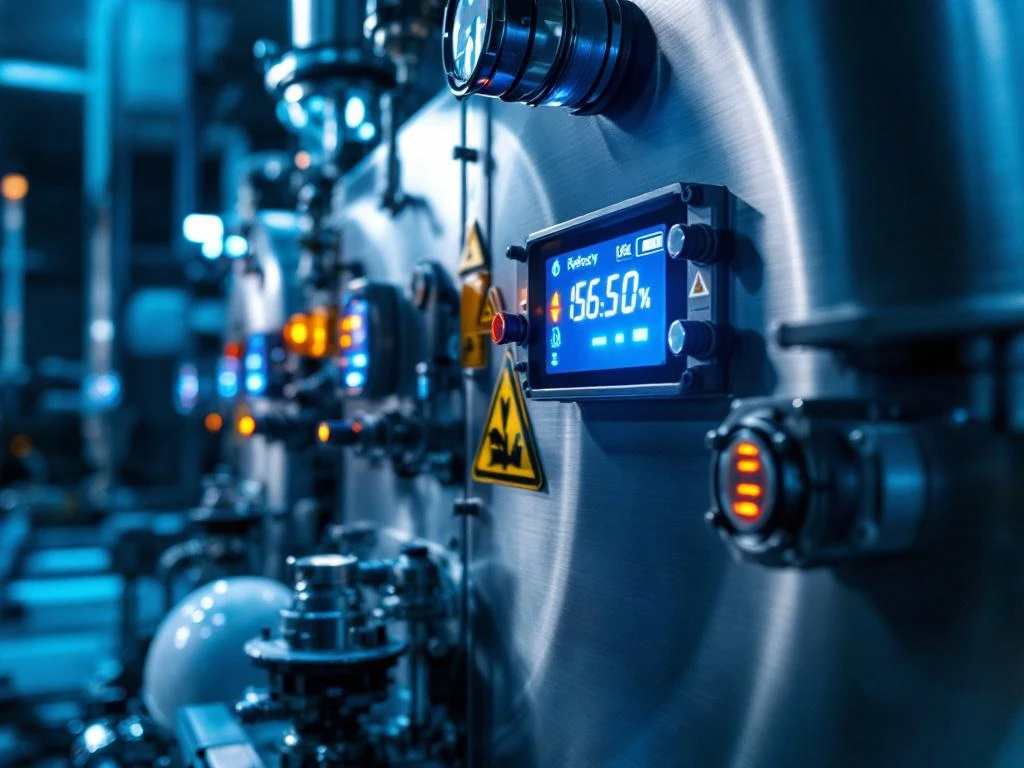
How do you ensure electrolyzer safety?
Electrolyzer safety requires comprehensive inspection protocols covering hydrogen gas hazards, electrical dangers, pressure systems, and chemical exposure. Our specialized risk management services include targeted inspections and assessments to identify safety concerns. Multiple safety layers protect personnel and equipment while ensuring reliable hydrogen production operations.
What are the main safety risks with electrolyzers?
Electrolyzer operations present four primary safety risks: hydrogen gas hazards, electrical dangers, pressure-related concerns, and chemical exposure. Hydrogen gas poses the greatest risk due to its wide flammability range (4–75% in air) and nearly invisible flame characteristics.
Hydrogen gas can accumulate in poorly ventilated areas, creating explosive atmospheres. The gas is odorless and colorless, making detection without proper equipment nearly impossible. Additionally, hydrogen flames burn with an almost invisible flame, increasing the risk of accidental contact.
Electrical hazards stem from the high-voltage DC systems used in electrolysis. Water and electricity create dangerous conditions, particularly during maintenance or component failure. Arc faults can ignite hydrogen or other materials, creating cascading safety incidents.
Pressure-related risks occur in systems operating under elevated pressure to improve efficiency. Sudden pressure releases can cause equipment failure or projectile hazards. Chemical exposure risks include contact with alkaline or acidic electrolytes used in different electrolyzer types, which can cause severe burns or respiratory issues.
How do you prevent hydrogen gas accidents in electrolyzer facilities?
Preventing hydrogen gas accidents requires continuous gas monitoring, proper ventilation design, and rapid emergency response systems. Gas detectors should be installed at multiple points, particularly near potential leak sources and in areas where hydrogen might accumulate.
Ventilation systems must provide adequate air changes to prevent hydrogen concentrations from reaching dangerous levels. Natural and mechanical ventilation should work together to ensure proper gas dispersion. Ventilation rates typically need to handle at least 1% of maximum hydrogen production capacity.
Gas monitoring equipment should trigger automatic responses at predetermined concentration levels. At 25% of the lower explosive limit, warning alarms activate. At 50%, evacuation procedures begin, and at 60%, automatic system shutdown occurs.
Emergency response protocols include immediate system isolation, area evacuation, and coordination with trained emergency personnel. All electrical equipment in hydrogen areas must be rated for hazardous locations to prevent ignition sources.
What safety equipment is required for electrolyzer operations?
Electrolyzer operations require multi-layered safety equipment, including gas detection systems, emergency shutdown mechanisms, fire suppression systems, and comprehensive personal protective equipment. Each layer provides backup protection when other systems fail.
Gas detection systems must include both fixed and portable hydrogen detectors with audio-visual alarms. These systems should connect to central monitoring stations for continuous oversight. Emergency shutdown systems need manual activation points at multiple locations, plus automatic triggers based on gas concentration or other hazardous conditions.
Fire suppression systems for electrolyzer facilities often use water-based systems, as water effectively cools hydrogen fires and helps prevent re-ignition. However, electrical isolation is necessary before water application. Some facilities also employ inert gas suppression in electrical areas.
Personal protective equipment includes flame-resistant clothing, safety glasses, chemical-resistant gloves for electrolyte handling, and respiratory protection when working in confined spaces or during maintenance activities.
How often should electrolyzers be inspected for safety?
Electrolyzer safety inspections should occur daily for operational checks, monthly for detailed component inspections, and annually for comprehensive safety audits. The frequency depends on system complexity, operating conditions, and regulatory requirements.
Daily inspections cover gas detector functionality, ventilation system operation, pressure readings, and visual checks for leaks or abnormal conditions. Operators should verify that all safety systems respond correctly during startup procedures.
Monthly inspections involve detailed examination of electrical connections, pressure relief systems, gas piping integrity, and emergency shutdown system testing. These inspections often require temporary system shutdown to access critical components safely.
Annual comprehensive audits include full system testing, safety procedure reviews, training record verification, and checks for compliance with updated safety standards. Third-party inspectors often conduct these audits to ensure objective assessment of safety inspection protocols.
What training do operators need for electrolyzer safety?
Electrolyzer operators need comprehensive safety certification covering hydrogen properties, electrical safety, emergency procedures, and system-specific operating protocols. Training programs should include both theoretical knowledge and hands-on practical experience.
Initial certification typically requires 40–80 hours of training, depending on system complexity. Topics include hydrogen safety fundamentals, electrical hazard recognition, proper use of safety equipment, emergency response procedures, and maintenance safety protocols.
Ongoing education requirements include annual refresher training, participation in emergency drills, and updates on new safety procedures or equipment modifications. Operators should also receive training on any system changes or upgrades.
Emergency response training covers evacuation procedures, first aid for chemical exposure, fire suppression techniques, and coordination with emergency services. Regular drills help maintain response readiness and identify areas for improvement in safety procedures.
How Solarif helps with electrolyzer safety inspections
We provide electrolyzer safety support through specialized inspections and tailored insurance solutions for renewable energy projects. Our inspection services help identify safety concerns while meeting insurer requirements and regulatory standards.
Our electrolyzer safety services include:
- Factory inspections of electrolyzer equipment and components
- Batch inspections for quality and safety verification
- Drone inspections for facility monitoring and assessment
- Scios Scope inspections covering specific safety parameters
- Compliance verification with safety standards and regulations
- Customized insurance solutions for electrolyzer projects and operations
As an insurance broker specializing in renewable energy projects, we understand the unique safety challenges electrolyzers present. Our inspection services ensure your project meets safety requirements while securing appropriate insurance coverage for long-term protection.
Ready to enhance your electrolyzer safety inspections? Contact our renewable energy safety experts for detailed facility inspections and a customized safety solution for your hydrogen production facility.
Insurance and inspection needs for your BESS?
Contact us today if you want to know more about the possibilities in BESS insurance and Scope inspections.
📧 Email: support@solarif.com
☎️ Phone: +31 (0)26 711 5050