



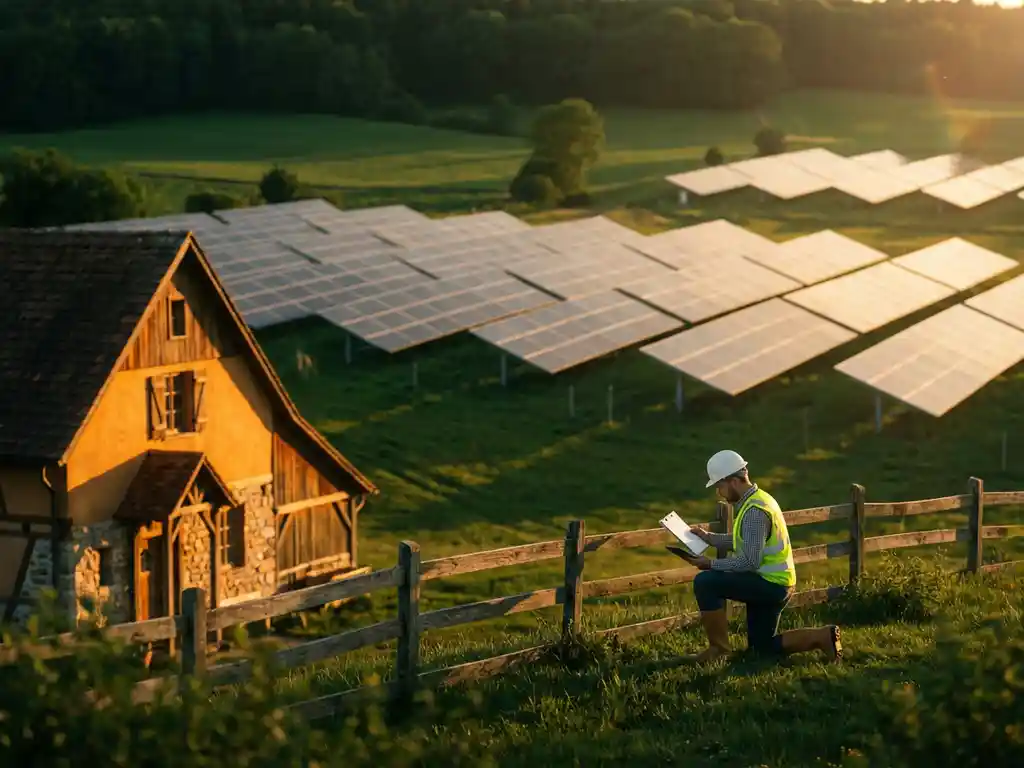
How do you handle liability when renewable projects affect property values?
When renewable energy projects are developed, they can significantly impact surrounding property values, creating potential liability exposure for project developers, investors, and operators. These impacts range from visual concerns and noise issues to more complex environmental considerations that neighboring property owners may claim affect their property’s market value.
Understanding and managing property value liability is crucial for renewable project stakeholders, as claims can result in substantial financial exposure and project delays. Proper risk management, insurance coverage, and proactive mitigation strategies help protect against these challenges while ensuring projects can proceed successfully.
What types of liability arise when renewable projects affect property values?
Property value liability from renewable projects typically includes nuisance claims, diminution-of-value lawsuits, and interference with property use or enjoyment. These claims can arise from visual impacts, noise concerns, electromagnetic interference, or perceived environmental effects that neighboring property owners believe reduce their property’s market value.
The most common liability types include nuisance claims in which neighbors argue that the project creates ongoing interference with their use and enjoyment of their property. Visual impact claims often focus on how solar installations or energy storage facilities alter scenic views or neighborhood character. Noise-related liability can emerge from inverter operations, cooling systems, or construction activities during project development.
Diminution-of-value claims represent another significant liability category, in which property owners seek compensation for alleged decreases in their property’s fair market value due to the renewable project’s presence. These claims often require complex property valuation analyses and can be challenging to defend without proper documentation.
Environmental liability may also arise if neighbors claim the project affects air quality, water resources, or creates other environmental impacts that influence property desirability. While renewable projects generally have positive environmental effects, perception and local concerns can still create liability exposure.
How do renewable energy projects typically impact neighboring property values?
Research indicates that renewable energy projects generally have minimal negative impact on neighboring property values, with many studies showing neutral to slightly positive effects. However, impacts vary significantly based on project type, proximity to residential areas, local community acceptance, and specific site characteristics.
Solar installations typically show the least negative impact on surrounding property values. Ground-mounted, utility-scale solar farms may create temporary visual concerns during construction, but studies suggest property value impacts are generally limited to properties in the immediate vicinity and often recover over time as communities adapt to the installations.
Battery Energy Storage Systems (BESS) can generate more concern among neighbors due to safety perceptions, despite their generally safe operational profiles. Properties immediately adjacent to BESS facilities may experience temporary market hesitation, particularly in areas where community education about battery storage technology has been limited.
Distance plays a crucial role in determining impact magnitude. Properties located more than half a mile from renewable installations typically show no measurable effects on property values. Factors such as existing land use, community economic benefits from the project, and local zoning considerations also influence how neighboring properties are affected.
What insurance coverage protects against property value liability claims?
General liability insurance and professional liability coverage provide primary protection against property value liability claims, while specialized environmental liability policies address pollution-related diminution-of-value claims. These policies typically cover legal defense costs, settlements, and judgments related to third-party property damage allegations.
General liability policies cover bodily injury and property damage claims arising from project operations. This includes coverage for nuisance claims and interference with property use, though coverage may be limited for purely economic losses without accompanying physical damage to the claimant’s property.
Professional liability insurance protects against errors and omissions in project design, planning, or environmental assessments that might contribute to property value impacts. This coverage is particularly important for engineering firms, environmental consultants, and project developers involved in site selection and impact analysis.
Environmental liability coverage addresses pollution-related property value claims that general liability policies typically exclude. For renewable projects, this might include coverage for soil contamination during construction, groundwater impacts, or air quality concerns that affect neighboring property values.
Specialized renewable energy insurance packages often include enhanced liability coverage tailored to industry-specific risks. These policies may provide broader coverage for diminution-of-value claims and include provisions for business interruption protection if liability issues delay project operations.
How do you assess and document potential property value impacts before project start?
Pre-project property value assessment requires comprehensive baseline studies, including property appraisals, visual impact analyses, noise studies, and community engagement documentation. These assessments establish existing conditions and identify potential impact areas before project development begins.
Professional property appraisals should be conducted for properties within a defined radius of the proposed project site. These baseline appraisals document current market values and property characteristics that could influence future value assessments. The appraisal radius typically extends 1–2 miles for utility-scale projects, depending on terrain and visibility factors.
Visual impact assessments use photo simulations and viewshed analyses to document how the project will appear from surrounding properties. These studies help identify properties with direct sight lines to the installation and assess the degree of visual change. Professional landscape architects or environmental consultants typically conduct these assessments using specialized software and field verification.
Noise baseline studies document existing ambient noise levels at nearby residential properties. These measurements provide crucial evidence for defending against future noise-related property value claims. Studies should follow recognized standards and be conducted at various times and in different weather conditions to establish comprehensive baseline data.
Community engagement documentation records all public meetings, stakeholder consultations, and communications with neighbors. This documentation demonstrates good-faith efforts to address concerns and can be valuable evidence in defending against liability claims that allege inadequate community consultation.
What legal defenses exist against property value liability claims?
Common legal defenses include demonstrating compliance with zoning regulations, challenging causation between the project and alleged property value impacts, and presenting contradictory market evidence. Defendants can also argue that claimants have not suffered actual damages or that other market factors caused any property value changes.
A regulatory-compliance defense argues that projects operating within approved zoning and permitting frameworks should not be subject to nuisance claims. If local authorities have specifically approved the project type and location, this demonstrates community acceptance of the land use and can strengthen the defense.
Causation challenges require claimants to prove that their property value loss directly results from the renewable project rather than from other market factors. Real estate markets fluctuate due to numerous economic, demographic, and local factors, making it difficult to isolate project-specific impacts on individual property values.
Market-evidence defenses involve presenting comparative sales data and professional appraisals showing that similar properties near renewable projects have not experienced value decreases. This evidence can effectively counter anecdotal claims about property value impacts.
The coming-to-the-nuisance defense applies when property owners purchased or developed their properties after the renewable project was announced or permitted. Courts may find that buyers who knowingly acquired property near planned renewable installations cannot later claim nuisance damages.
How can project developers minimize property value liability exposure?
Developers can minimize liability exposure through comprehensive community engagement, professional impact assessments, strategic project design, and proactive insurance planning. Early stakeholder involvement and transparent communication help build community support and reduce the likelihood of liability claims.
Strategic site selection considers proximity to residential areas, topography that provides natural screening, and compatibility with existing land uses. Choosing sites with appropriate buffers from residential properties and using natural landscape features can significantly reduce visual impact concerns and associated liability risks.
Professional design consultation with landscape architects and acoustic engineers helps optimize project layouts to minimize impacts on neighbors. This might include strategic equipment placement, vegetative screening, or noise-mitigation measures that address potential concerns before they become liability issues.
Comprehensive insurance planning should begin during the project development phase. Working with specialized renewable energy insurance brokers ensures appropriate coverage types and limits are in place before construction begins. This includes general liability, professional liability, and environmental coverage tailored to project-specific risks.
Documentation and monitoring programs establish ongoing records of project operations and environmental conditions. Regular noise monitoring, visual impact assessments, and community feedback tracking provide evidence for defending against future claims while demonstrating responsible project management.
How Solarif helps with renewable project liability protection
We provide comprehensive insurance solutions specifically designed to protect renewable energy projects against property value liability claims. Our specialized approach combines deep industry knowledge with tailored coverage options that address the unique risks facing solar and battery storage projects.
Our liability protection services include:
- Customized general liability coverage for renewable energy operations
- Environmental liability insurance for pollution-related property value claims
- Professional liability coverage for design and consulting risks
- Risk assessment and documentation guidance for pre-project planning
- Claims management support with renewable energy expertise
With more than 15 years of experience and 3.8 GW of renewable capacity insured, we understand the specific liability challenges facing project developers, investors, and operators. Our team provides proactive risk management advice to help minimize exposure while ensuring comprehensive protection when claims arise.
Ready to protect your renewable project against property value liability risks? Contact our renewable energy insurance specialists today for a customized risk assessment and coverage proposal.
Insurance and inspection needs for your BESS?
Contact us today if you want to know more about the possibilities in BESS insurance and Scope inspections.
📧 Email: support@solarif.com
☎️ Phone: +31 (0)26 711 5050