



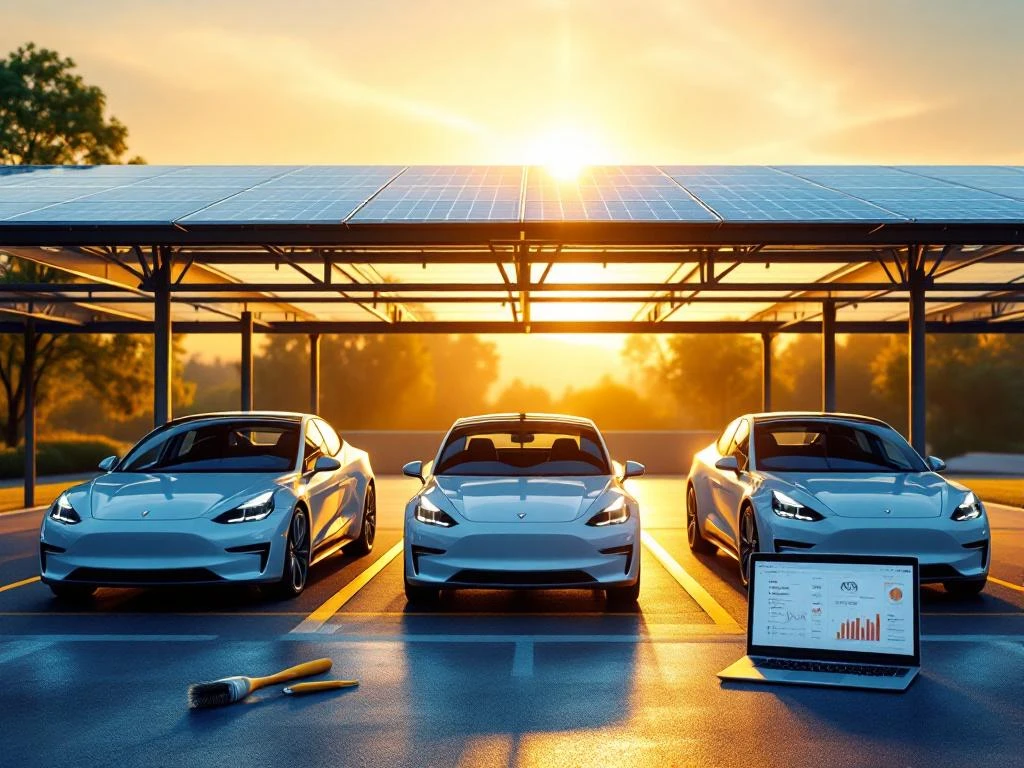
How do you maintain a solar carport?
Solar carport maintenance involves regular cleaning, inspection, and upkeep of both the solar panels and supporting structure. Unlike ground-mounted systems, carports require special attention to structural integrity, drainage, and accessibility. Proper maintenance ensures optimal energy production while extending the system’s lifespan. This comprehensive guide addresses the most common questions about maintaining your solar carport effectively.
What makes solar carport maintenance different from regular solar panels?
Solar carports require dual-purpose maintenance that addresses both energy generation and structural protection needs. The elevated design creates unique accessibility challenges, while the dual function as a parking shelter adds complexity to maintenance routines.
The elevated structure exposes panels to different weather patterns compared to roof-mounted systems. Weather loads affect both panels and support structures differently, requiring attention to mounting hardware and structural connections. The open design allows debris accumulation from multiple angles, including underneath the structure.
Structural considerations become paramount with carports. You must inspect not only the solar components but also the foundation, support columns, and beam connections. The structure bears additional loads from weather, potential snow accumulation, and the panels themselves.
Drainage systems require special attention since water runoff affects both the parking area below and the surrounding landscape. Poor drainage can lead to foundation issues or water damage to vehicles parked underneath.
The dual-function requirement means maintenance schedules must consider both energy production optimisation and parking facility safety. This includes ensuring adequate clearance, lighting functionality, and safe access for both maintenance personnel and vehicle users.
How often should you clean and inspect your solar carport?
Solar carports require monthly visual inspections and quarterly professional cleaning for optimal performance. The maintenance frequency depends on environmental conditions, with dusty or coastal locations requiring more frequent attention.
Daily visual checks should include scanning for obvious damage, unusual sounds, or debris accumulation. Look for any structural changes, loose connections, or water pooling that might indicate drainage problems.
Monthly inspections involve closer examination of panel surfaces, mounting hardware, and structural connections. Check for bird nesting, vegetation growth, or signs of corrosion. Document any changes in energy production through monitoring systems.
Quarterly cleaning schedules work well for most locations, though coastal areas or regions with frequent dust storms may require monthly cleaning. Professional cleaning ensures proper water management and compliance with safety protocols.
Annual professional assessments should include detailed structural analysis, electrical connection testing, and comprehensive performance evaluation. This timing aligns with warranty requirements and helps identify potential issues before they become costly problems.
Seasonal considerations include pre-winter structural checks, post-storm damage assessments, and spring cleaning after pollen season. Adjust schedules based on local weather patterns and environmental factors.
What are the most common problems that affect solar carports?
Debris accumulation, structural wear, and electrical connection issues represent the most frequent solar carport problems. These issues often develop gradually, making regular inspection important for early detection and cost-effective resolution.
Debris accumulation occurs more readily on carports due to their open design. Leaves, bird droppings, and dust collect on panels, while larger debris can lodge in structural components. This reduces energy output and can cause long-term damage.
Structural wear affects mounting hardware, support columns, and foundation connections. Thermal expansion and contraction, combined with weather loads, gradually loosen connections. Corrosion becomes particularly problematic in coastal environments.
Electrical connection problems develop from weather exposure, thermal cycling, and vibration. DC connectors, grounding systems, and inverter connections require regular attention. Poor connections create significant safety hazards, including arc faults and potential fire hazards that require proper inspection protocols to identify potential issues.
Weather damage includes hail impact, thermal stress, and exposure to extreme elements. The elevated design makes carports more susceptible to weather damage compared to roof-mounted systems. Extreme weather can cause both immediate and progressive damage.
Shading problems develop as surrounding vegetation grows or new structures appear nearby. Unlike fixed installations, carports cannot easily adjust for changing shade patterns, making ongoing monitoring important.
Early warning signs include declining energy production, unusual noises during adverse weather, visible corrosion, water staining, or structural movement. Address these indicators promptly to prevent more serious problems.
How do you safely clean solar panels on a carport structure?
Safe carport cleaning requires proper fall protection equipment, stable access platforms, and systematic cleaning procedures. The elevated height and structural design create specific safety challenges that require professional-grade safety protocols.
Safety equipment includes harnesses, safety lines, non-slip footwear, and stable ladders or lift equipment. Never attempt cleaning without proper fall protection when working above ground level. Ensure all equipment meets current safety standards.
Access planning involves identifying safe approach routes, securing the work area below, and establishing emergency procedures. Use only stable, properly rated ladders or professional lift equipment. Avoid cleaning during adverse weather conditions.
Cleaning techniques start with gentle water rinsing to remove loose debris. Use soft brushes or squeegees with mild, non-abrasive cleaning solutions. Work systematically from top to bottom, ensuring complete coverage without excessive pressure.
Water management becomes important for carport cleaning. Control runoff to prevent flooding the parking area below while ensuring adequate rinsing. Use deionised water for final rinses in areas with hard water to prevent mineral deposits.
Professional cleaning services often provide better results and safety compliance for elevated installations. They possess proper equipment, insurance coverage, and experience with carport-specific challenges. Consider professional services for complex installations or when safety concerns exist.
What should you check during a solar carport inspection?
Comprehensive carport inspections cover structural integrity, electrical systems, panel condition, mounting hardware, and drainage functionality. A systematic approach ensures nothing important gets overlooked while maintaining warranty compliance.
Structural integrity checks include foundation stability, support column alignment, beam connections, and overall framework condition. Look for cracks, corrosion, loose bolts, or signs of movement. Document any changes from previous inspections.
Electrical connections require careful examination of DC connectors, grounding systems, inverter connections, and monitoring equipment. Check for corrosion, loose connections, or damaged insulation. These areas present significant safety risks if neglected and may affect your insurance coverage.
Panel condition assessment involves examining surfaces for cracks, delamination, or discolouration. Check frame integrity, junction box condition, and cable management. Compare energy production data with previous periods to identify performance issues.
Mounting hardware inspection covers rails, clamps, bolts, and grounding connections. Thermal cycling and weather exposure gradually affect these components. Torque specifications may require periodic checking and adjustment.
Drainage systems need regular evaluation to prevent water damage and foundation problems. Check gutters, downspouts, surface grading, and drainage outlets. Poor drainage affects both the installation and the parking functionality below.
Documentation requirements include photographing any issues, recording measurements, and maintaining inspection logs. Proper documentation supports warranty claims and helps track system performance over time. Many insurers require regular inspection records for coverage compliance.
How Solarif helps with solar carport maintenance
We provide comprehensive maintenance support services that protect your solar carport investment through professional inspections, specialised assessments, and ongoing technical guidance. Our specialised approach addresses both energy production and structural integrity requirements.
Our maintenance support includes:
- Professional Scope 12 inspections – SCIOS-certified inspectors conduct thorough evaluations that meet insurer requirements for commercial installations
- Scope 8 and Scope 10 inspections – Comprehensive factory and batch inspections to ensure quality standards are maintained
- Drone inspection services – Advanced aerial assessments for hard-to-reach areas and comprehensive visual documentation
- Maintenance planning guidance – Customised schedules based on your specific installation and environmental conditions
- Insurance compliance support – Documentation and reporting that satisfy warranty and coverage requirements
Our expertise in solar carport installations means we understand the unique challenges these systems face. We help you maintain optimal performance while ensuring structural safety and insurance compliance through our comprehensive solar services.
Contact our specialists today to discuss your solar carport maintenance needs and discover how professional support can protect your renewable energy investment.
Insurance and inspection needs for your BESS?
Contact us today if you want to know more about the possibilities in BESS insurance and Scope inspections.
📧 Email: support@solarif.com
☎️ Phone: +31 (0)26 711 5050