



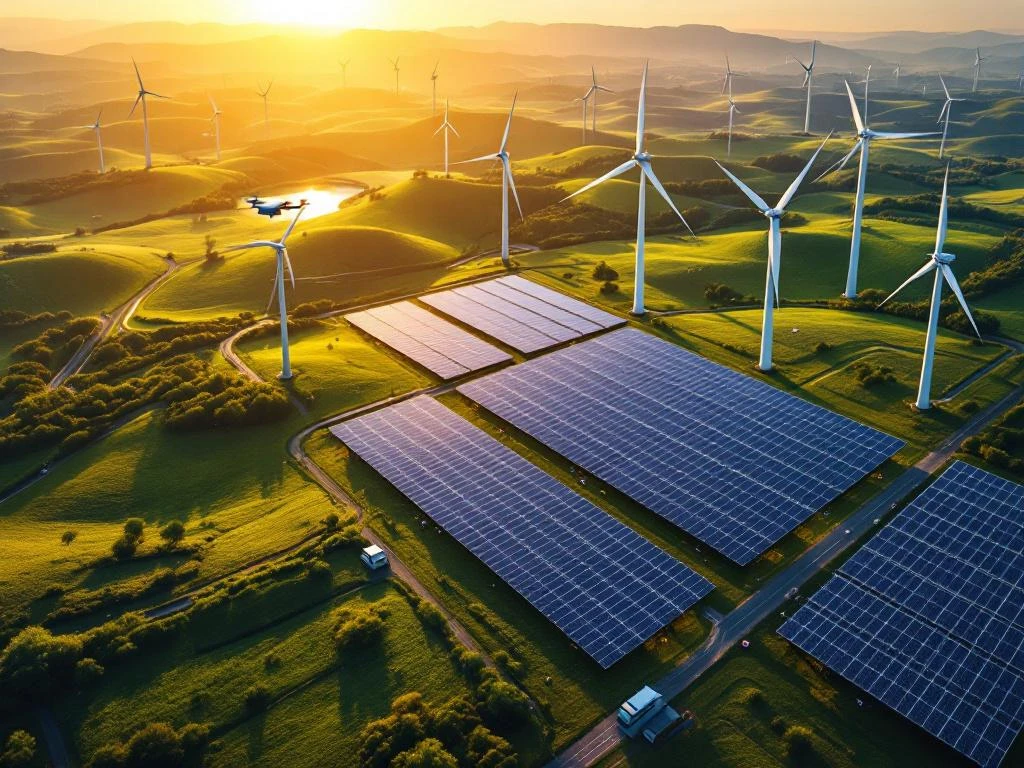
How do you manage assets in hybrid energy parks?
Managing assets in hybrid energy parks requires coordinating multiple renewable technologies, such as solar panels and battery storage systems, within a single location. These complex installations need specialized approaches that go beyond traditional single-technology asset management, involving integrated monitoring systems, coordinated maintenance schedules, and optimized performance strategies across different energy sources.
What exactly are hybrid energy parks and why do they need special management?
Hybrid energy parks combine solar panels and energy storage systems at one location to maximize energy output and grid stability. Unlike single-technology installations, these parks require specialized management because each technology operates differently, has unique maintenance requirements, and responds to varying weather and operational conditions.
Traditional asset management approaches fall short for hybrid systems because they were designed for single-technology installations. Solar panels produce peak power during midday, while battery storage systems need carefully managed charge–discharge cycles. Managing these technologies together requires understanding how they interact, complement each other, and sometimes compete for the same electrical infrastructure.
The complexity increases when you consider that each technology has different warranty periods, maintenance schedules, and performance degradation patterns. You need management systems that can handle multiple data streams, coordinate maintenance windows without disrupting overall park output, and optimize combined performance rather than the performance of individual technologies.
How do you coordinate different energy technologies in one location?
Coordinating multiple energy technologies requires integrated control systems that manage solar panels and battery storage as one unified asset. This involves scheduling maintenance windows when one technology can compensate for another being offline, optimizing energy output by directing power flow between different sources, and managing shared infrastructure such as transformers and grid connections.
Practical coordination starts with understanding each technology’s operational patterns. Solar generation peaks during midday, while battery systems can store excess energy and provide power during periods of low solar production. You schedule maintenance for solar components during low-sun periods and battery system maintenance during optimal solar generation times, ensuring the hybrid park maintains consistent output.
The interconnection complexities require careful management of electrical systems. Multiple technologies sharing the same grid connection point need sophisticated switching systems, power conditioning equipment, and control software that can manage power flow priorities. When solar produces peak power, the system must decide whether to feed power directly to the grid, charge batteries, or curtail production to prevent overloading infrastructure.
What are the biggest operational challenges in hybrid energy parks?
The biggest operational challenges include technology integration problems where different systems do not communicate effectively, weather-dependent performance variations that affect multiple technologies simultaneously, maintenance scheduling conflicts between different technology requirements, grid connection complications from managing multiple power sources, and regulatory compliance across different energy types with varying standards.
Technology integration problems arise when solar inverters and battery management systems use different communication protocols or operate at different voltage levels. These incompatibilities can cause system shutdowns, reduced efficiency, or equipment damage if not properly managed through compatible interface equipment and standardized control systems.
Weather events create unique challenges for hybrid parks. Severe storms might reduce solar output while requiring battery backup at the same time, or extreme temperatures might affect both solar panel efficiency and battery performance simultaneously. Managing these cascading effects requires robust backup systems, weather forecasting integration, and emergency response procedures that account for multiple technology impacts occurring together. Comprehensive inspections help operators identify potential failure points and assess equipment conditions across all technologies within the park.
Regulatory compliance becomes complex when hybrid parks must meet different standards for each technology type. Solar installations might require different safety certifications than battery storage systems, which face additional fire safety and chemical handling regulations. Coordinating these requirements while maintaining operational efficiency requires detailed compliance tracking and regular updates as regulations evolve.
How do you optimize performance across multiple energy sources?
Performance optimization involves balancing solar generation patterns through predictive algorithms, using energy storage systems to smooth output variations and store excess power, implementing smart grid technologies that automatically adjust power flow, and coordinating operations to maximize overall park efficiency rather than the performance of individual technologies.
Balancing different generation patterns requires understanding seasonal and daily variations. Solar output follows predictable daily cycles but varies with weather and seasons. Smart control systems use weather forecasting and historical data to predict these patterns and optimize energy storage and grid dispatch accordingly.
Energy storage management becomes central to hybrid park optimization. Batteries store excess solar energy during peak production for use when solar output drops, and they can provide grid services during periods of high demand. The key is programming storage systems to determine when to charge, when to discharge, and when to hold energy in reserve for grid stability services or emergency backup.
Smart grid integration allows hybrid parks to provide multiple services beyond basic energy generation. They can offer frequency regulation, voltage support, and grid balancing services by coordinating their solar and storage capabilities. This coordination increases revenue potential while supporting grid stability, but it requires sophisticated control systems that can respond to grid signals within seconds.
What monitoring systems work best for hybrid energy assets?
Integrated monitoring platforms that combine data from all technologies into unified dashboards work best for hybrid energy assets. These systems provide real-time performance tracking across solar and storage components, include predictive maintenance tools that identify potential issues before failures occur, and offer comprehensive data management that gives complete visibility into hybrid park operations.
Real-time monitoring requires sensors and data collection systems that can handle different types of information simultaneously. Solar monitoring tracks irradiance, panel temperatures, and inverter performance. Battery monitoring tracks charge levels, temperature, and cell health. Unified platforms combine these data streams to show overall park performance and identify optimization opportunities.
Predictive maintenance tools use machine learning algorithms to analyze performance data and identify patterns that indicate potential equipment failures. These systems can predict when solar inverters might fail based on temperature and load patterns, or when battery cells are degrading based on charge–discharge cycles.
Data management systems store historical performance information, weather data, and maintenance records to support long-term optimization and asset management decisions. This information helps operators understand seasonal performance patterns, plan maintenance schedules, and make informed decisions about equipment upgrades or replacements.
How Solarif helps with hybrid energy park management
We provide specialized insurance and inspection services designed specifically for hybrid renewable energy projects. Our comprehensive approach addresses the unique challenges of managing multiple technologies within single installations, ensuring your hybrid energy assets are properly protected and assessed throughout their operational lifecycle.
Our services for hybrid energy park management include:
- Comprehensive insurance coverage for solar and energy storage components within hybrid installations
- Specialized inspections including Scios Scope 12, Scope 8, and Scope 10 inspections, factory inspections, batch inspections, and drone inspections across all technology types
- Quality assessments that evaluate equipment conditions and performance across different technologies within hybrid installations
- Project brokerage services connecting hybrid energy developers with investors and EPC contractors
- Operational all-risks insurance covering fire, theft, natural disasters, and equipment failures across hybrid systems
As an insurance broker specializing in renewable energy projects, we understand that hybrid energy parks face unique challenges that traditional single-technology insurance policies do not adequately address. Our tailored solutions ensure comprehensive protection for your complex renewable energy investments.
Ready to protect your hybrid energy park investment? Contact our renewable energy insurance specialists today to discuss comprehensive coverage solutions for your multi-technology renewable energy project.
Insurance and inspection needs for your BESS?
Contact us today if you want to know more about the possibilities in BESS insurance and Scope inspections.
📧 Email: support@solarif.com
☎️ Phone: +31 (0)26 711 5050