



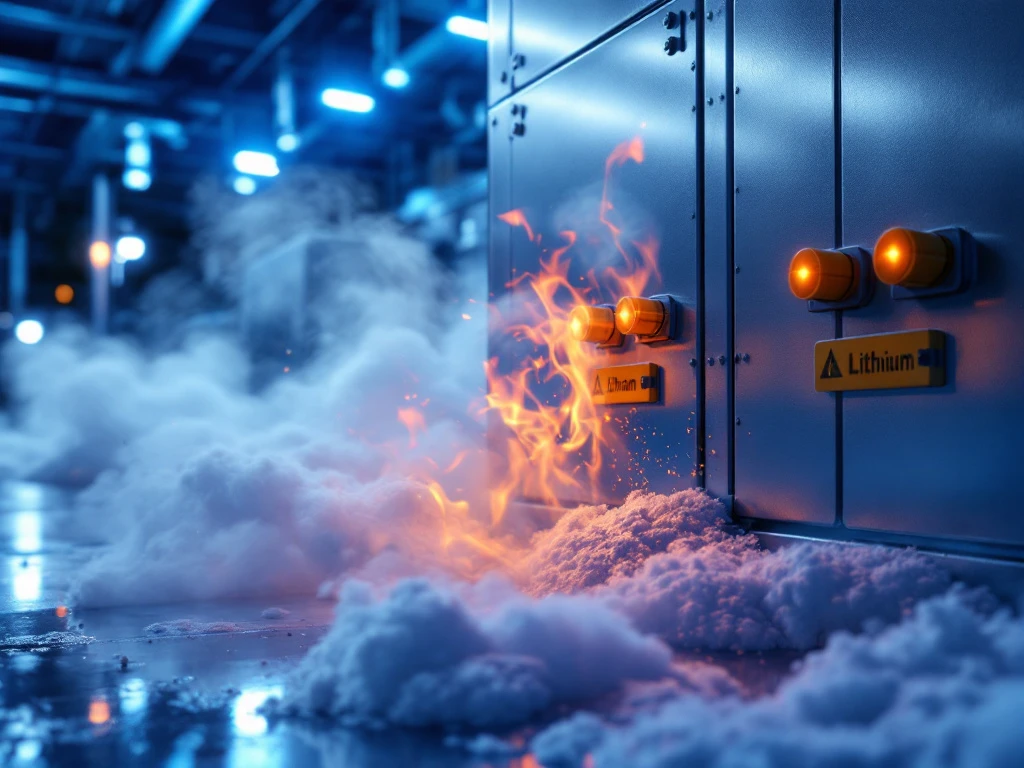
How do you prevent battery storage fires?
Battery storage fire prevention requires a comprehensive approach combining proper system design, monitoring technology, and safety protocols. The primary methods include implementing thermal management systems, installing specialised fire suppression equipment, and maintaining strict operational procedures. Preventing battery storage fires starts with understanding their unique causes and implementing multiple layers of protection throughout the facility.
What causes battery storage fires and why are they so dangerous?
Battery storage fires primarily result from thermal runaway, a chain reaction where overheating in one cell spreads to adjacent cells, causing temperatures to escalate rapidly beyond control. Thermal runaway in lithium-ion batteries occurs when temperatures reach their critical thermal threshold, which varies depending on the battery chemistry often ranging from around 130°C for NMC cells to up to 250°C for LFP cells. This reaction can cause fires that spread rapidly and release toxic gases such as hydrogen fluoride (HF) and carbon monoxide (CO). This occurs when lithium-ion batteries exceed safe operating parameters due to overcharging, physical damage, manufacturing defects, or extreme temperatures.
The thermal runaway process is particularly dangerous because it creates a cascading failure pattern. Once initiated, the reaction generates intense heat and toxic gases whilst being extremely difficult to extinguish. Unlike conventional fires, battery fires can reignite hours or even days after appearing to be controlled, as individual cells may continue the thermal runaway process internally.
Battery fires present unique hazards including the release of hydrogen fluoride and other toxic gases, electrical hazards that persist even during firefighting efforts, and the potential for explosion due to gas accumulation. The fires burn at extremely high temperatures and can continue burning even when submerged in water, making traditional firefighting methods less effective.
How do you identify early warning signs of battery fire risk?
Early detection relies on continuous monitoring systems that track critical parameters including cell temperature, voltage variations, and gas emissions. Modern battery management systems can identify abnormal patterns before they escalate into dangerous situations.
Temperature monitoring represents the most crucial early warning system. Thermal sensors should detect temperature rises above normal operating ranges, typically indicating the onset of thermal runaway. Voltage monitoring can identify cell imbalances or overcharging conditions that often precede thermal events.
Gas detection systems monitor for hydrogen, carbon monoxide, and other gases released during the early stages of battery degradation. Visual inspection techniques include checking for cell swelling, discolouration, or electrolyte leakage. Advanced facilities employ thermal imaging cameras for regular inspections and smoke detection systems specifically calibrated for battery environments.
Operators should establish baseline measurements for normal operating conditions and set alerts for deviations beyond acceptable parameters. Regular inspection schedules combined with automated monitoring provide the most comprehensive early warning approach.
What fire suppression systems work best for battery storage facilities?
Specialised suppression systems designed specifically for electrical and battery fires offer the most effective protection. Water mist systems, aerosol suppression, and inert gas systems each provide advantages for different facility configurations and risk profiles.
Water mist systems work by cooling the battery cells and surrounding area whilst using significantly less water than traditional sprinkler systems. This reduces the risk of electrical hazards and water damage to equipment. The fine mist penetrates enclosed spaces effectively and helps prevent re-ignition.
Aerosol suppression systems release ultra-fine particles that interrupt the chemical reaction of combustion. These systems work well in enclosed battery compartments and don’t require extensive piping infrastructure. Inert gas systems, such as nitrogen or argon, work by displacing oxygen to stop combustion, though they require sealed environments to be effective.
Many facilities employ multiple suppression technologies in layers, with early-stage systems like aerosol or gas suppression for initial response, backed up by water mist systems for cooling and preventing spread. The choice depends on facility size, battery technology, and local fire safety regulations.
How should battery storage systems be designed to minimise fire risk?
Fire-resistant design incorporates proper spacing, ventilation, and containment strategies that limit fire probability and prevent spread between battery modules. Effective design creates multiple barriers to fire propagation whilst enabling safe emergency response.
Spacing requirements include adequate clearance between battery racks, containers, or modules to prevent fire spread and allow access for maintenance and emergency response. Ventilation systems must remove heat and gases during normal operation whilst preventing the accumulation of potentially explosive gas mixtures.
Containment strategies involve fire-resistant barriers between battery sections, explosion-resistant construction for battery enclosures, and emergency ventilation systems that can rapidly remove smoke and toxic gases. Structural design should include multiple exit routes for personnel and access points for emergency responders.
Electrical design considerations include proper grounding systems, arc-resistant switchgear, and emergency shutdown capabilities that can isolate compromised sections. Cable routing should minimise fire spread paths, and emergency lighting systems should remain operational during fire events.
What safety protocols should operators follow to prevent battery fires?
Comprehensive safety protocols encompass maintenance procedures, handling protocols, and emergency response plans specifically developed for battery storage environments. Regular training ensures all personnel understand the unique risks and appropriate responses.
Maintenance procedures should include regular inspection schedules, proper tools and personal protective equipment for battery work, and documentation systems that track battery performance and maintenance history. Personnel must understand lockout/tagout procedures for electrical systems and proper handling techniques for damaged or swollen batteries.
Emergency response plans must address the unique challenges of battery fires, including extended burning times, toxic gas release, and re-ignition potential. Plans should include evacuation procedures, communication protocols with local fire services, and specific guidance for different types of battery emergencies.
Training requirements should cover recognition of early warning signs, proper use of monitoring systems, emergency response procedures, and regular drills that simulate various fire scenarios. Personnel should understand when to attempt intervention and when immediate evacuation is necessary.
Preventing battery storage fires requires ongoing vigilance and systematic implementation of multiple safety measures. From the initial design phase through daily operations, each element contributes to overall fire safety. As battery storage technology continues advancing, staying current with best practices and regulatory requirements remains essential for maintaining safe, reliable energy storage operations.
Protect Your Battery Storage Investment Today
Don’t wait for a fire emergency to implement proper safety measures. Protecting your battery storage facility requires expert guidance and professional installation of fire prevention systems. Whether you need assistance with system design, fire suppression installation, or safety protocol development, professional consultation ensures your facility meets the highest safety standards. Contact us today to schedule a comprehensive fire safety assessment and safeguard your battery storage investment with proven prevention strategies.
Insurance and inspection needs for your BESS?
Contact us today if you want to know more about the possibilities in BESS insurance and Scope inspections.
📧 Email: support@solarif.com
☎️ Phone: +31 (0)26 711 5050