



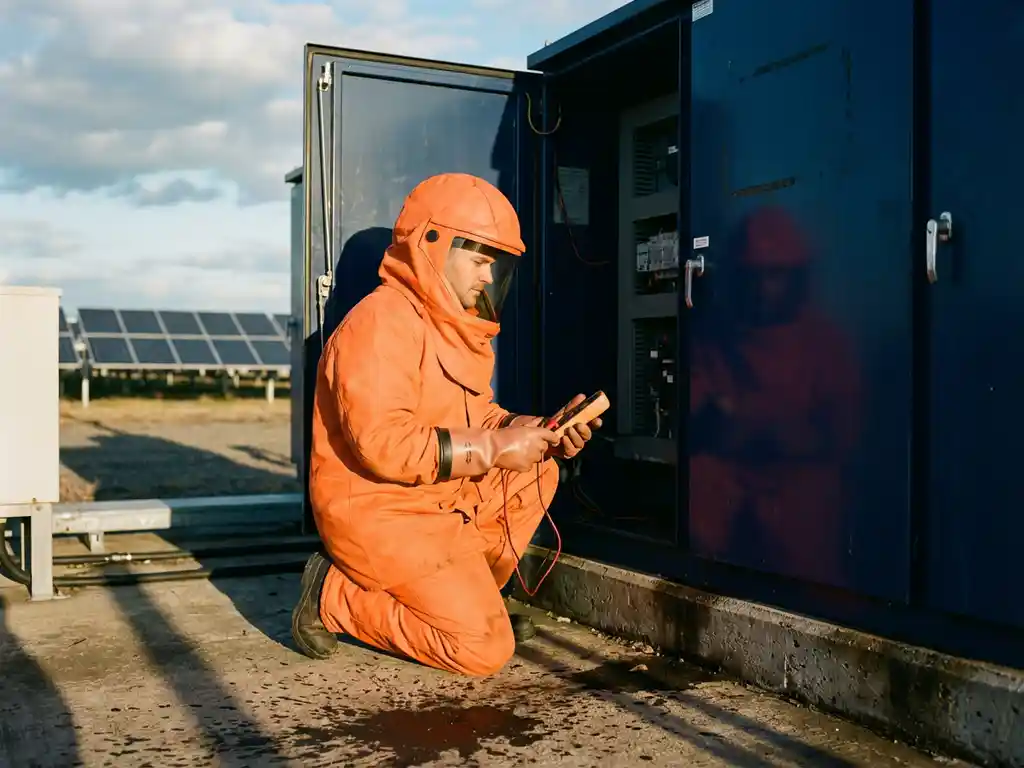
How do you prevent electrical arc flash incidents?
Electrical arc flash incidents represent one of the most serious hazards in industrial electrical environments, causing severe injuries and fatalities across renewable energy installations, manufacturing facilities, and commercial buildings. These explosive electrical events release tremendous amounts of energy in milliseconds, creating temperatures that can exceed 35,000 degrees Fahrenheit and generating pressure waves capable of throwing workers across rooms.
Understanding how to prevent electrical arc flash incidents is crucial for anyone working with or around electrical equipment. From conducting proper risk management assessments to implementing comprehensive safety procedures, effective arc flash prevention requires a multilayered approach that protects both personnel and equipment while maintaining operational efficiency.
What is an electrical arc flash, and why is it dangerous?
An electrical arc flash is a sudden release of electrical energy through the air when insulation or isolation between energized conductors is no longer sufficient to withstand the applied voltage. This creates an explosive discharge of plasma and energy that can cause severe burns, hearing loss, eye damage, and even death.
The extreme danger of arc flash events stems from multiple simultaneous hazards. The intense heat generated can cause third-degree burns even when workers are several feet away from the source. The bright light can permanently damage eyesight, while the explosive pressure wave can rupture eardrums and knock workers off their feet. Additionally, vaporized metal from electrical components creates toxic fumes and flying debris that pose respiratory and physical injury risks.
Arc flash incidents typically last only a fraction of a second, but the damage occurs almost instantaneously. The temperature at the arc terminals can reach up to four times the temperature of the sun’s surface, instantly igniting clothing and causing severe thermal injuries. This extreme heat also causes rapid expansion of air and metal components, creating a pressure blast that can be heard from significant distances.
What causes electrical arc flash incidents?
Electrical arc flash incidents are typically caused by equipment failure, human error, or environmental factors that create an unintended electrical path between conductors or from a conductor to ground. Common triggers include dropped tools, accidental contact with live parts, corrosion buildup, dust accumulation, and improper maintenance procedures.
Equipment-related causes represent a significant portion of arc flash incidents. Aging electrical components, loose connections, and deteriorated insulation create conditions in which electrical energy can jump between conductors. Switchgear and panelboards are particularly vulnerable, especially when protective barriers are removed during maintenance without proper safety procedures.
Human factors play a crucial role in many arc flash events. Workers who fail to follow lockout/tagout procedures, use inappropriate tools near energized equipment, or attempt to perform work on live circuits significantly increase arc flash risk. Inadequate training on electrical hazards and rushing to complete tasks under pressure also contribute to dangerous situations.
Environmental conditions can exacerbate arc flash risks. High humidity, condensation, and contamination from dust or chemicals can reduce the insulating properties of air and equipment surfaces. In solar installations and battery storage systems, these environmental factors require special attention due to outdoor exposure and varying weather conditions.
How do you conduct an arc flash risk assessment?
An arc flash risk assessment involves calculating the incident energy levels at various points in an electrical system and determining the appropriate safety boundaries and protective equipment required for safe work. This systematic evaluation identifies hazard levels and establishes safety protocols for different areas and types of work.
The assessment process begins with collecting detailed information about the electrical system, including single-line diagrams, protective device settings, conductor sizes, and transformer ratings. Engineers use this data to model fault current levels and calculate the incident energy that would be released during an arc flash event at each location in the system.
Key steps in the assessment include:
- Analyzing system impedances and available fault currents
- Evaluating protective device coordination and clearing times
- Calculating incident energy levels using industry-standard methods
- Determining arc flash boundaries and hazard risk categories
- Creating appropriate warning labels for electrical equipment
The results of the assessment determine what level of personal protective equipment workers need when performing different tasks. Areas with higher incident energy levels require more comprehensive protection and stricter safety procedures. Regular updates to the assessment are necessary whenever electrical system modifications occur.
What personal protective equipment prevents arc flash injuries?
Arc-rated personal protective equipment specifically designed to withstand electrical arc flash energy is essential for worker protection. This includes arc-rated clothing, face shields, hard hats, and safety glasses that meet NFPA 70E standards and are rated for the specific incident energy levels present in the work area.
Arc-rated clothing forms the foundation of arc flash protection. These garments are made from materials that resist ignition and do not continue to burn when exposed to arc flash energy. The clothing must cover all exposed skin and be properly sized to prevent gaps that could expose workers to thermal energy.
Essential arc flash PPE components include:
- Arc-rated shirts, pants, and coveralls with appropriate calorie ratings
- Arc-rated face shields or flash suits for high-energy exposures
- Insulated gloves rated for the voltage level being worked on
- Safety glasses with side shields worn under face protection
- Hard hats designed to withstand electrical hazards
- Arc-rated outerwear for outdoor electrical work
The specific PPE requirements depend on the hazard risk category determined during the arc flash assessment. Higher categories require more comprehensive protection, including full flash suits that completely enclose the worker. All PPE must be inspected regularly and replaced when damaged or when ratings are exceeded.
How does proper electrical maintenance prevent arc flash?
Proper electrical maintenance prevents arc flash incidents by identifying and correcting conditions that could lead to equipment failure and unintended electrical paths. Regular inspections, testing, and component replacement maintain system integrity and reduce the likelihood of faults that trigger arc flash events.
Preventive maintenance programs focus on key areas where arc flash risks develop. Loose electrical connections generate heat and resistance that can lead to failure, while dust and contamination create alternative current paths. Thermal imaging surveys can identify hot spots before they become dangerous, allowing for corrective action during planned outages.
Critical maintenance activities include:
- Tightening electrical connections to manufacturer specifications
- Cleaning equipment to remove dust, moisture, and contamination
- Testing protective devices to ensure proper operation and settings
- Inspecting insulation for signs of deterioration or damage
- Replacing aging components before they reach end of life
- Calibrating protective relays and circuit breakers
Documentation of all maintenance activities helps track equipment condition and identify recurring problems. Maintenance should be performed by qualified personnel following established procedures and safety protocols. For complex systems such as solar installations with battery storage, specialized knowledge of DC systems and energy storage hazards is essential.
What safety procedures should workers follow around electrical equipment?
Workers should follow comprehensive safety procedures that include proper planning, hazard identification, use of appropriate PPE, and implementation of energy control measures before approaching electrical equipment. These procedures must be consistently applied and regularly reinforced through training and supervision.
The foundation of electrical safety is the energized electrical work permit process, which requires workers to justify why work cannot be performed in a de-energized state and to obtain proper authorization. When energized work is unavoidable, strict protocols must be followed to minimize exposure to arc flash hazards.
Essential safety procedures include:
- Conducting job briefings to identify hazards and required safety measures
- Implementing lockout/tagout procedures to control hazardous energy
- Testing circuits to verify de-energized conditions before work begins
- Maintaining appropriate approach boundaries around energized equipment
- Using insulated tools and equipment rated for the voltage present
- Having qualified personnel supervise all electrical work activities
Training programs must ensure workers understand both the hazards they face and the specific procedures required for their work environment. Regular refresher training helps maintain awareness and reinforces safe work practices. Emergency response procedures should also be established and practiced regularly to ensure an effective response to arc flash incidents.
How Solarif Helps with Electrical Arc Flash Prevention
As an insurance broker specializing in renewable energy projects, we understand that electrical arc flash prevention is crucial for protecting both personnel and investments in solar installations and battery storage systems. Our comprehensive risk management approach helps identify potential electrical hazards before they become costly incidents.
Our electrical safety risk management services include:
- Specialized inspections that evaluate arc flash risks in solar and storage installations
- Insurance solutions that incentivize proper electrical safety practices and equipment
- Risk assessments that identify electrical hazards specific to renewable energy systems
- Connections with certified electrical contractors experienced in solar and battery safety
- Coverage options that protect against losses from electrical incidents and equipment failures
Many insurers require comprehensive electrical safety programs and regular inspections before providing coverage for commercial renewable energy projects. We work with A-rated insurance providers who understand the unique electrical risks of solar installations and battery energy storage systems.
Protect your renewable energy investment with proper electrical safety coverage. Contact our specialized team today to discuss comprehensive risk management solutions for your solar and storage projects.
Insurance and inspection needs for your BESS?
Contact us today if you want to know more about the possibilities in BESS insurance and Scope inspections.
📧 Email: support@solarif.com
☎️ Phone: +31 (0)26 711 5050