


How do you protect against solar equipment vandalism?
Solar installations represent significant investments that can be vulnerable to various forms of vandalism and theft. From damaged panels to stolen equipment, vandalism incidents can result in substantial financial losses, operational downtime, and reduced energy production. Understanding these risks and implementing comprehensive protection strategies is essential for solar project owners, developers, and operators.
Effective protection against solar equipment vandalism requires a multilayered approach that combines physical security measures, monitoring systems, and appropriate insurance coverage. By addressing vulnerabilities proactively, solar projects can minimize their exposure to vandalism risks while maintaining optimal performance and protecting their investment value.
What types of vandalism threaten solar equipment?
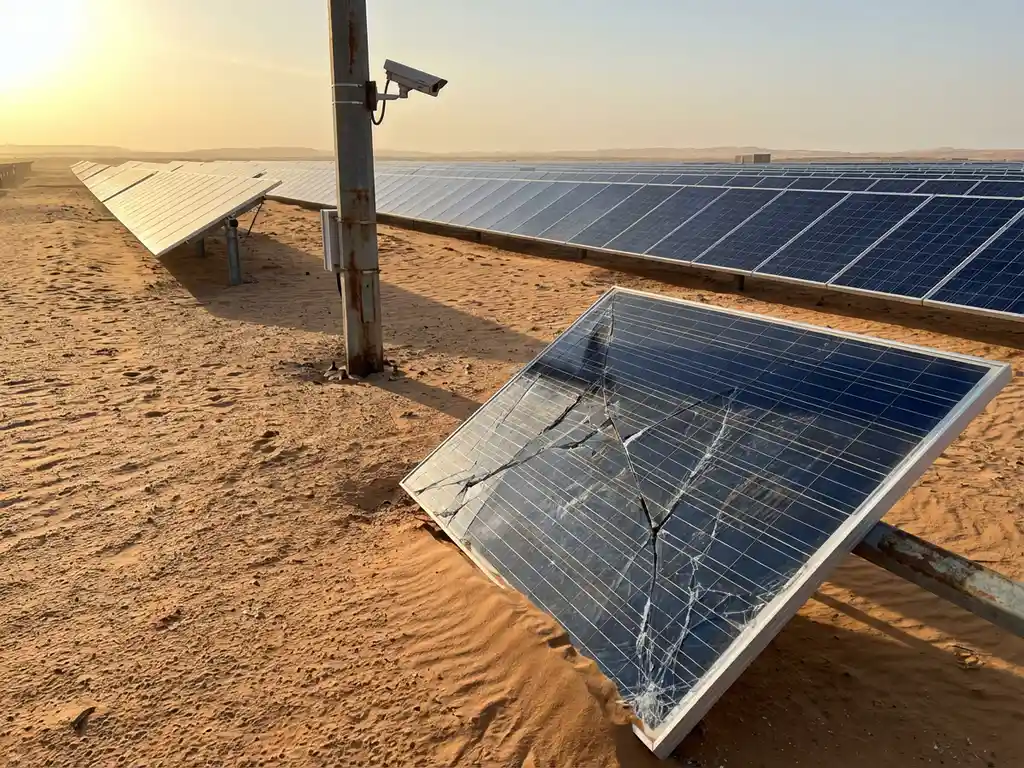
Solar equipment faces several distinct types of vandalism, including physical damage to panels, theft of valuable components, graffiti on surfaces, and deliberate system sabotage. The most common incidents involve breaking or cracking solar panels with rocks or tools, stealing copper wiring and inverters, spray-painting panel surfaces, and damaging mounting systems or electrical connections.
Physical damage typically targets the solar panels themselves, as broken glass significantly reduces energy output and requires costly replacement. Vandals often use stones, hammers, or other blunt objects to crack panel surfaces, creating spiderweb patterns that render panels partially or completely inoperable. This type of damage is particularly problematic because even small cracks can lead to hot spots and potential fire hazards.
Theft represents another major category of vandalism, with criminals targeting high-value components that can be easily removed and sold. Copper wiring is especially attractive due to its scrap value, while inverters, monitoring equipment, and even entire solar panels may be stolen from installations. Remote installations are particularly vulnerable to theft due to limited surveillance and delayed detection.
Graffiti and surface vandalism can significantly impact solar panel efficiency by blocking sunlight absorption. Even small amounts of paint or markings on panel surfaces can reduce energy production and require professional cleaning or panel replacement. Additionally, vandals may target support structures, electrical boxes, and monitoring equipment, causing operational disruptions beyond the immediate physical damage.
Why are solar installations vulnerable to vandalism?
Solar installations are vulnerable to vandalism due to their remote locations, valuable components, limited surveillance, and accessibility. Many solar farms are located in isolated areas with minimal foot traffic or security presence, making them attractive targets for vandals who can operate without immediate detection or intervention.
The remote nature of many solar installations creates inherent security challenges. Unlike urban commercial properties with natural surveillance from pedestrians and neighboring businesses, solar farms often operate in rural or industrial areas with little human activity. This isolation gives vandals extended time to damage equipment or steal components without fear of immediate discovery.
Solar equipment contains valuable materials that attract theft, particularly copper wiring and sophisticated electronic components such as inverters. These items have established resale markets, making them appealing targets for opportunistic criminals. The modular nature of solar installations also means that individual components can be removed relatively easily compared with other types of industrial equipment.
Many solar installations lack comprehensive security infrastructure due to cost considerations and the challenge of securing large, distributed areas. Traditional security measures such as guards or extensive camera networks may be prohibitively expensive for smaller installations, leaving them protected only by perimeter fencing that determined vandals can breach.
How much does solar equipment vandalism typically cost?
Solar equipment vandalism costs vary significantly depending on the type and extent of damage, ranging from hundreds of dollars for minor incidents to tens of thousands for major theft or destruction. Beyond immediate repair costs, vandalism creates additional expenses through production losses, security upgrades, and insurance deductibles that compound the total financial impact.
Panel replacement represents one of the largest vandalism-related expenses, with individual panels costing several hundred dollars each, plus installation labor. When vandals damage multiple panels in a single incident, replacement costs can quickly escalate into thousands of dollars. The specialized nature of solar equipment often means that exact replacement panels may not be immediately available, extending downtime and increasing lost production revenue.
Theft of electrical components creates particularly high costs due to the sophisticated nature of modern solar equipment. Inverters can cost thousands of dollars to replace, while copper wire theft may require extensive rewiring of affected areas. Beyond the component costs, electrical theft often damages surrounding equipment during the removal process, multiplying repair expenses.
Production losses during repair periods add substantial indirect costs to vandalism incidents. A damaged solar installation generates no revenue while repairs are completed, and the time required to source replacement parts and schedule installation work can extend outages for weeks. These operational losses often exceed the direct repair costs, particularly for commercial installations with significant energy production capacity.
What physical security measures prevent solar vandalism?
Effective physical security measures for preventing solar vandalism include perimeter fencing, access control systems, strategic lighting, and deterrent signage. The most successful approaches combine multiple security layers to create comprehensive protection that addresses different types of threats and points of vulnerability.
Perimeter fencing serves as the primary physical barrier against unauthorized access, with chain-link or welded wire mesh fencing being common choices for solar installations. Effective fencing should be at least eight feet tall, with anti-climb features such as barbed wire or razor wire at the top. Gates should be secured with high-quality locks and positioned to allow legitimate access while controlling entry points.
Access control systems help monitor and restrict entry to authorized personnel only. Electronic gate systems with keypad or card access create audit trails of facility entries while preventing casual trespassing. For larger installations, multiple access points may be necessary, but each should be properly secured and monitored to maintain overall site security.
Strategic lighting deters nighttime vandalism by eliminating dark areas where criminals can operate undetected. Motion-activated LED lights provide energy-efficient illumination that activates when movement is detected, while continuous perimeter lighting ensures consistent visibility around vulnerable areas. Solar-powered security lighting offers an environmentally friendly solution that does not require additional electrical infrastructure.
Clear deterrent signage warns potential vandals about security measures and legal consequences while establishing the site as actively monitored property. Signs should indicate surveillance systems, alarm systems, and legal penalties for trespassing or vandalism. Professional security signage creates a psychological deterrent that may discourage opportunistic vandalism attempts.
How does insurance coverage protect against solar vandalism?
Insurance coverage protects against solar vandalism through specialized solar equipment policies that cover theft, malicious damage, and related business interruption losses. These policies typically include coverage for equipment replacement, debris removal, lost production revenue, and additional security measures implemented after incidents.
Solar equipment insurance policies specifically address the unique risks facing renewable energy installations, including vandalism and theft coverage that standard commercial property insurance may exclude or limit. These specialized policies account for the particular vulnerabilities of solar installations and provide comprehensive protection for panels, inverters, monitoring equipment, and electrical infrastructure.
Business interruption coverage compensates for lost energy production revenue during repair periods following vandalism incidents. This coverage is particularly valuable for commercial solar installations where downtime directly affects revenue streams. The coverage typically includes both lost production revenue and additional expenses incurred to minimize business interruption, such as expedited equipment replacement.
Many solar insurance policies include coverage for security enhancements implemented after vandalism incidents, recognizing that improved security measures reduce future risk exposure. This may include funding for upgraded fencing, surveillance systems, or lighting installations that help prevent repeat incidents. Some insurers may require specific security measures as policy conditions, particularly for installations in high-risk areas.
What monitoring systems detect vandalism attempts?
Modern monitoring systems for detecting solar vandalism include surveillance cameras, motion sensors, perimeter detection systems, and remote monitoring of equipment performance. These technologies work together to provide early warning of unauthorized access and immediate notification of security breaches or equipment interference.
Video surveillance systems with remote monitoring capabilities allow real-time observation of solar installations from off-site security centers. Modern camera systems include infrared night vision, motion detection, and automated alert systems that notify security personnel immediately when activity is detected. Cloud-based storage ensures that video evidence is preserved even if on-site equipment is damaged during vandalism attempts.
Perimeter intrusion detection systems use various technologies, including beam breaks, vibration sensors, and thermal imaging, to detect unauthorized entry attempts. These systems can differentiate between human intrusion and environmental factors such as wildlife or weather, reducing false alarms while maintaining security effectiveness. Integration with alarm monitoring services ensures an immediate response to genuine security threats.
Equipment performance monitoring provides indirect vandalism detection by identifying unusual drops in energy production that may indicate physical damage or theft. Modern monitoring systems track individual panel performance and can quickly identify when specific panels or sections stop producing power, potentially indicating vandalism or equipment failure. This capability allows for rapid response to minimize production losses.
Mobile alert systems ensure that property owners and security personnel receive immediate notifications of security breaches or equipment issues regardless of their location. Smartphone apps and automated calling systems can provide real-time alerts about surveillance system activations, perimeter breaches, or equipment performance anomalies, enabling a quick response to potential vandalism incidents.
How do you develop a comprehensive vandalism prevention plan?
A comprehensive vandalism prevention plan combines risk assessment, layered security measures, monitoring systems, and response protocols tailored to the specific vulnerabilities and value of each solar installation. The plan should address prevention, detection, response, and recovery phases to minimize both the likelihood and impact of vandalism incidents.
Risk assessment forms the foundation of effective vandalism prevention by identifying specific threats, vulnerabilities, and potential impact scenarios. This assessment should consider factors including installation location, local crime rates, equipment value, site accessibility, and existing security infrastructure. Understanding these risk factors allows for targeted security investments that address the most significant threats through effective risk management strategies.
Layered security implementation creates multiple barriers and detection points that vandals must overcome to successfully damage or steal equipment. This approach typically includes perimeter security, access control, surveillance systems, and alarm systems working together to create comprehensive protection. Each layer should complement the others while addressing different types of threats and attack methods.
Response protocols establish clear procedures for addressing security alerts, vandalism incidents, and equipment damage. These protocols should include notification procedures, emergency contacts, damage assessment procedures, and repair coordination processes. Having established response procedures ensures rapid action that minimizes damage and downtime following vandalism incidents.
Regular security reviews and updates ensure that vandalism prevention measures remain effective as threats evolve and installations age. This includes testing security systems, updating access codes, reviewing surveillance footage, and assessing the effectiveness of existing measures. Continuous improvement helps maintain security effectiveness while adapting to changing risk environments.
How Solarif helps with solar equipment vandalism protection
We provide comprehensive insurance solutions specifically designed to protect solar installations against vandalism, theft, and malicious damage. Our specialized solar equipment insurance policies offer complete coverage for equipment replacement, business interruption, and security enhancement costs following vandalism incidents.
Our vandalism protection services include:
- Comprehensive equipment coverage for panels, inverters, and electrical infrastructure
- Business interruption insurance to compensate for lost energy production revenue
- Coverage for security system upgrades and enhanced protection measures
- Risk assessment services to identify vulnerabilities and recommend security improvements
- Claims support to ensure rapid response and minimal downtime following incidents
With more than 15 years of experience in renewable energy insurance and 3.8 GW of insured capacity, we understand the unique security challenges facing solar installations. Our tailored insurance solutions provide peace of mind while protecting your investment against vandalism risks.
Ready to protect your solar investment against vandalism? Contact our renewable energy insurance experts today for a comprehensive risk assessment and a customized coverage proposal.
Insurance and inspection needs for your BESS?
Contact us today if you want to know more about the possibilities in BESS insurance and Scope inspections.
📧 Email: support@solarif.com
☎️ Phone: +31 (0)26 711 5050