



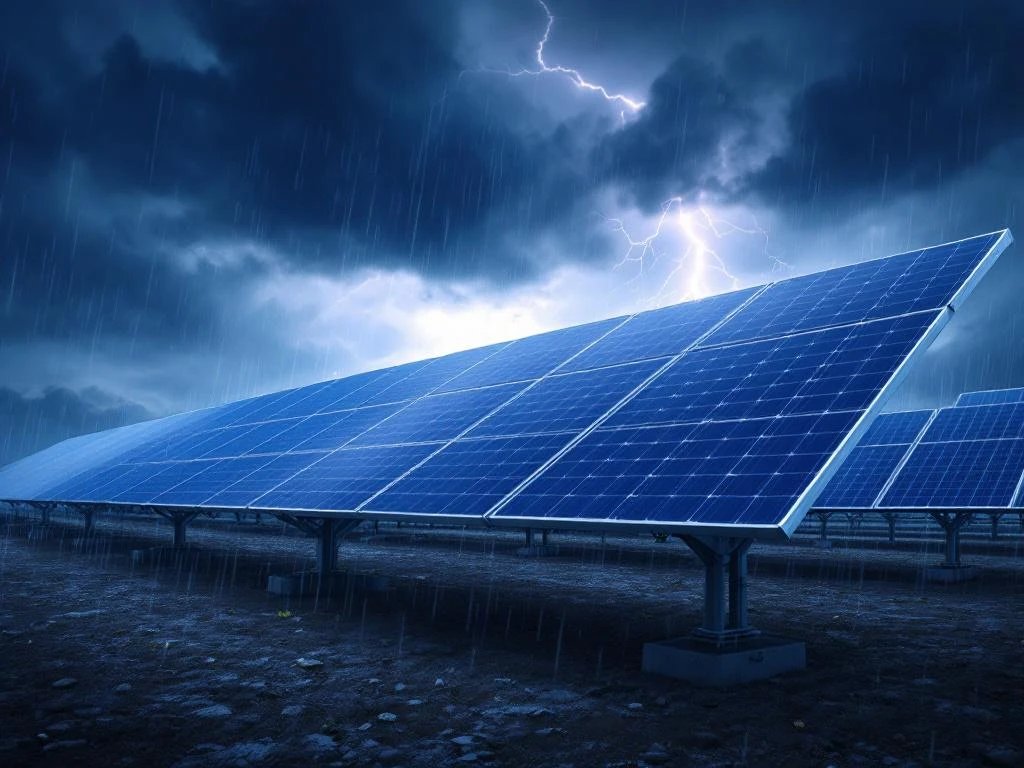
How do you protect ground-mounted solar from extreme weather?
Ground-mounted solar installations need protection from extreme weather through proper design, preventive measures, and comprehensive insurance coverage. These systems face unique risks from hail, flooding, and structural vulnerabilities that require specialized protection strategies. Understanding these solar panel risks helps you implement effective safeguards that minimize damage and maintain reliable energy production during severe weather events.
What makes ground-mounted solar installations vulnerable to extreme weather?
Ground-mounted solar systems face greater weather exposure than rooftop installations because they sit directly in open fields without building protection. Weather loads can reach panels from all directions, creating uplift forces that stress mounting structures and foundations. These installations also experience direct impact from hail, with no overhead shelter to reduce projectile velocity or size.
Flooding presents another significant risk for ground-mounted systems. Unlike rooftop installations that benefit from elevated positioning, ground-level solar arrays can become partially or completely submerged during heavy rainfall or flooding events. This exposure can damage electrical components, inverters, and wiring systems that aren’t designed for water immersion.
The structural design of ground-mounted systems creates additional vulnerabilities. Support posts and foundations must withstand not only direct weather forces but also soil movement, frost heaving, and ground saturation that can compromise stability. The larger surface area of utility-scale installations means weather impacts can affect more equipment simultaneously, potentially causing widespread damage across the entire facility.
How do you design ground-mounted solar systems to withstand severe storms?
Storm-resistant design begins with proper foundation engineering based on local soil conditions and weather patterns. Deep pile foundations or concrete ballast systems provide the stability needed to resist uplift forces and prevent structural movement during severe weather. Foundation depth and reinforcement specifications must account for local frost lines and soil bearing capacity.
Racking system specifications play a vital role in weather resistance. Solar panel risks decrease significantly when mounting structures use corrosion-resistant materials like galvanized steel or aluminum with appropriate thickness ratings. The racking design must distribute weather loads evenly across the foundation system while allowing for thermal expansion and contraction.
Structural load calculations determine the requirements for your specific location. Engineers analyze local weather data, terrain factors, and installation height to calculate maximum expected forces. This analysis determines the spacing between support posts, the gauge of structural members, and the connection methods needed to maintain system integrity during storms.
Panel positioning and tilt angles also affect weather resistance. Lower tilt angles reduce weather exposure and decrease uplift forces, while proper spacing between panel rows prevents channeling effects that can amplify structural stress. Some installations incorporate adjustable mounting systems that can modify panel angles before severe weather arrives.
What protective measures can you implement before extreme weather hits?
Monitoring systems provide early warning of approaching severe weather and allow you to implement protective measures before conditions deteriorate. Weather stations integrated with your solar monitoring platform can trigger automatic alerts when precipitation levels or temperature changes exceed predetermined thresholds.
Emergency protocols should include specific procedures for different weather scenarios. These protocols outline when to shut down systems, secure loose components, and implement temporary protective measures. Staff training ensures everyone knows their responsibilities and can execute emergency procedures quickly and safely when severe weather threatens.
Preventive maintenance schedules help identify and address vulnerabilities before they become problems during storms. Regular inspections of mounting hardware, electrical connections, and drainage systems can reveal loose bolts, corroded components, or blocked water channels that could worsen weather damage. Professional inspection services through risk management can identify potential issues before extreme weather events occur.
Temporary protective measures might include installing hail guards over sensitive equipment, securing or removing portable components, and ensuring drainage systems are clear and functioning properly. Some installations benefit from temporary barriers or covers for critical electrical components during severe storm warnings.
Which insurance coverage protects ground-mounted solar from weather damage?
Solar Panel All Risks Insurance provides comprehensive coverage for weather-related damage to ground-mounted installations. This coverage protects against storm damage, hail impact, flooding, and other weather perils that can affect both the physical equipment and energy production capacity. The insurance typically covers repair or replacement costs plus lost revenue during downtime.
Business interruption protection addresses the financial impact of weather-related production losses. When severe weather damages your solar installation and reduces energy output, this coverage compensates for lost revenue during the repair period. For commercial solar operations, this protection can be vital for maintaining cash flow and meeting financial obligations.
Construction All Risks Insurance becomes important during installation or expansion phases when weather can damage partially completed systems. This coverage protects against storm damage, flooding, and other weather perils that occur during the construction process, including damage to stored materials and equipment.
Environmental damage coverage addresses contamination risks that can occur when weather events damage solar installations. This protection covers cleanup costs for soil contamination from damaged batteries or solar panel particles released during weather-related fires or structural failures.
How do you assess and repair weather damage to solar installations?
Post-storm damage assessment begins with safety protocols to ensure the installation is safe to approach and inspect. Electrical systems should be shut down before any physical inspection, and personnel should be trained to identify hazards like damaged wiring, structural instability, or contamination from damaged components.
Professional inspection requirements vary by jurisdiction and insurance provider, but most commercial installations require certified inspectors to evaluate weather damage. A Scope 12 inspection may be required by insurers before coverage can be restored, though this inspection is not legally mandated but rather an insurer requirement for commercial PV installations.
Damage documentation should include detailed photographs, written descriptions, and preliminary repair estimates. This documentation supports insurance claims and helps prioritize repair activities. Focus on capturing both obvious damage and subtle issues that might not be immediately apparent but could affect long-term system performance.
Repair prioritization typically addresses safety hazards first, followed by measures to prevent additional damage, and finally full restoration of system capacity. Working with qualified contractors who understand solar installations ensures repairs meet manufacturer specifications and maintain warranty coverage.
How Solarif helps protect your solar investment from extreme weather
We specialize in comprehensive weather protection strategies for ground-mounted solar installations through our integrated approach to inspection services and insurance solutions. Our services address the unique vulnerabilities that commercial solar projects face during extreme weather events.
Our protection services include:
- Professional inspections that identify weather vulnerabilities specific to your installation and location
- Tailored Solar Panel All Risks Insurance coverage that protects against storm damage, hail, flooding, and other weather perils
- SCIOS-certified Scope 12 inspections that ensure your installation meets insurer requirements and maintains coverage eligibility
- Construction All Risks Insurance for projects during vulnerable installation phases
- Environmental damage coverage for contamination risks from weather-related incidents
- Drone inspections and quality assessments that identify potential weaknesses before severe weather strikes
As an insurance broker specializing in renewable energy projects, we work with A-rated insurers to secure optimal coverage terms for your specific weather risks. Our 15+ years of experience in the solar industry means we understand both the technical vulnerabilities and insurance requirements that affect ground-mounted installations.
Protect your solar investment from extreme weather risks today. Request a free consultation to discover how our specialized insurance solutions and inspection services can safeguard your ground-mounted solar installation against severe weather damage.
Insurance and inspection needs for your BESS?
Contact us today if you want to know more about the possibilities in BESS insurance and Scope inspections.
📧 Email: support@solarif.com
☎️ Phone: +31 (0)26 711 5050