



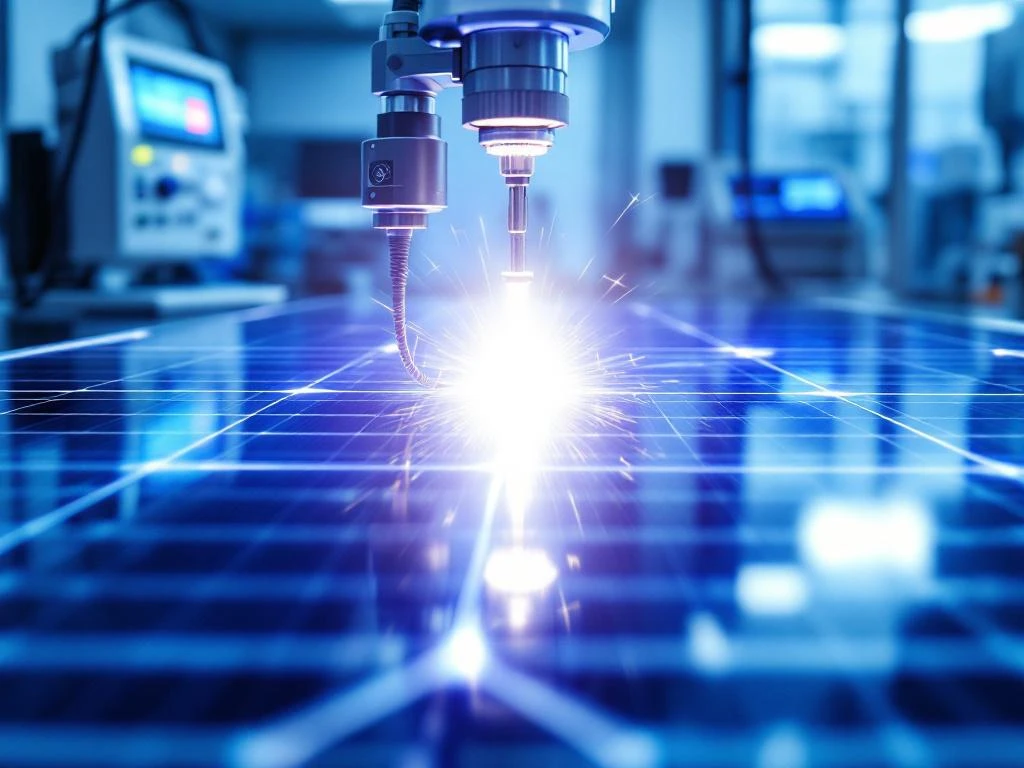
How does a flash test work for solar panels?
A flash test for solar panels uses electroluminescence (EL) imaging to detect internal defects by applying electrical current and capturing infrared emissions from photovoltaic cells. This non-destructive testing method reveals microcracks, cell interconnect failures, and other quality issues invisible to standard visual inspection, making it essential for ensuring solar panel performance and reliability.
What is a flash test and why do solar panels need it?
Flash testing, also known as electroluminescence testing, is a specialized quality inspection method that makes solar panel cells emit infrared light to reveal internal structural defects. When electrical current flows through photovoltaic cells, they produce light emissions that can be captured by specialized cameras, creating detailed images that show the condition of individual cells.
Solar panels need flash testing because many defects remain completely invisible during standard visual inspections. Microcracks in silicon cells, poor solder connections between cells, and manufacturing inconsistencies can significantly impact performance without showing obvious external signs. These hidden problems often worsen over time, leading to reduced energy output and potential system failures.
The electroluminescence testing process works on the principle that healthy solar cells emit uniform light when energized, while damaged or defective areas appear as dark spots or irregular patterns. This makes flash testing particularly valuable for quality control during manufacturing and for assessing panels before installation in commercial solar projects.
How does the flash test process actually work?
The flash test process involves connecting the solar panel to a power source that applies controlled electrical current while specialized infrared cameras capture the resulting light emissions from each cell. The entire procedure typically takes just a few minutes per panel and requires a darkened environment for optimal image quality.
During testing, technicians first ensure the solar panel is properly positioned and connected to the electroluminescence testing equipment. The power source applies a forward-bias current through the panel, causing healthy photovoltaic cells to emit near-infrared light. A sensitive CCD or infrared camera then captures these emissions, creating detailed images that reveal the internal structure of each cell.
The physics behind this process relies on the photovoltaic effect working in reverse. Instead of converting light into electricity, the cells convert applied electrical energy back into light emissions. Areas with defects, cracks, or poor connections appear darker in the resulting images because they cannot conduct current effectively or emit light uniformly.
Modern flash testing equipment can process multiple panels quickly and often includes automated analysis software that identifies and categorizes different types of defects based on their appearance in the electroluminescence images.
What types of defects can a flash test detect in solar panels?
Flash testing can detect a comprehensive range of solar panel defects, including microcracks in silicon cells, cell interconnect failures, soldering issues, potential-induced degradation (PID), and manufacturing inconsistencies that affect electrical performance. Each type of defect creates distinctive patterns in electroluminescence images.
Microcracks appear as dark lines or irregular shapes within cells and represent one of the most common defects found during flash testing. These cracks can develop during manufacturing, transportation, or installation and often expand over time, reducing the affected cell’s ability to generate electricity.
Cell interconnect problems show up as dark areas along the connections between individual cells within a panel. Poor soldering, broken ribbons, or inadequate contact between cell interconnects creates resistance that prevents proper current flow and appears clearly in EL images.
Potential-induced degradation (PID) manifests as gradual darkening across entire cells or sections of cells. This defect occurs when voltage differences between cells and the panel frame cause ion migration within the panel materials, reducing performance over time.
Other detectable issues include snail trails (discoloration patterns), wafer contamination from manufacturing processes, and non-uniform cell performance that indicates quality control problems during production.
When should you perform flash tests on solar panels?
Flash tests should be performed at multiple stages throughout the solar panel lifecycle, including during manufacturing quality control, pre-installation inspection, post-installation verification, and as part of periodic maintenance assessments. The timing depends on project requirements and inspection needs related to our Risk Management services.
Manufacturing quality control represents the most common application, where panels undergo flash testing before and after lamination to identify defective cells that need replacement. This prevents defective panels from leaving the factory and ensures consistent quality standards.
Pre-installation inspections help project developers verify panel quality before installation, which is particularly important for large commercial solar installations where replacing panels after mounting becomes expensive and time-consuming. Many commercial projects include flash testing as part of their quality assurance protocols.
Post-installation verification can identify damage that occurred during transportation or installation, while periodic maintenance assessments help detect degradation patterns that develop over the panel’s operational lifetime. For commercial solar projects, insurance providers may require regular quality assessments that include electroluminescence testing to maintain coverage.
What’s the difference between flash testing and other solar panel inspections?
Flash testing differs from other inspection methods by providing detailed internal views of solar cell structure, while thermal imaging shows temperature variations, visual inspection identifies surface defects, and electrical testing measures performance parameters. Each method offers unique advantages for comprehensive quality assessment.
Visual inspection remains the quickest method for identifying obvious defects like scratched glass, damaged frames, or visible cell damage, but cannot detect internal problems like microcracks or poor interconnections that significantly impact performance.
Thermal imaging during operation reveals hot spots and performance issues by showing temperature variations across the panel surface. However, thermal testing requires panels to be operating under sunlight and may miss defects that do not generate heat signatures.
Electrical testing measures actual performance parameters like voltage, current, and power output under controlled conditions. While this provides valuable performance data, it does not show the location or specific nature of defects affecting panel performance.
Flash testing complements these other methods by revealing the internal structure and identifying specific defect locations, making it particularly valuable for quality control and detailed diagnostic work where understanding the exact nature and location of problems matters for decision-making.
How Solarif helps with solar panel flash testing
We provide comprehensive quality inspection services that include flash testing as part of our Risk Management services for commercial solar projects. Our team performs detailed electroluminescence imaging to detect and document panel defects through factory inspections, batch inspections, and drone inspections.
Our flash testing services include:
- EL imaging during factory inspections to identify structural defects
- Scios Scope 12 inspections that incorporate flash testing for commercial projects
- Detailed defect documentation with photographic evidence
- Quality verification through batch inspections
- Inspection reports that support insurance applications
As an insurance broker specializing in renewable energy projects, we understand that insurers increasingly require comprehensive quality documentation for commercial solar installations. Our flash testing services help protect your investment by identifying potential problems before they impact system performance or insurance coverage.
Ready to ensure your solar panels meet the highest quality standards? Contact Solarif to schedule comprehensive flash testing and quality inspections for your commercial solar project.
Insurance and inspection needs for your BESS?
Contact us today if you want to know more about the possibilities in BESS insurance and Scope inspections.
📧 Email: support@solarif.com
☎️ Phone: +31 (0)26 711 5050