



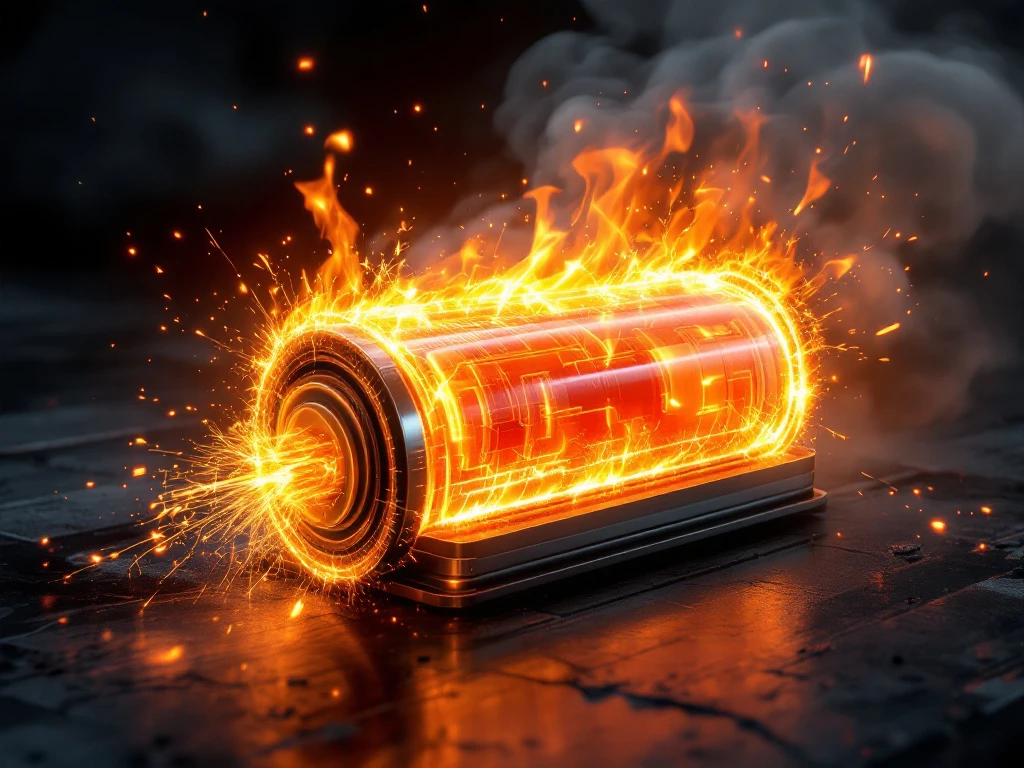
How does thermal runaway cause fires?
Thermal runaway causes fires by creating an uncontrollable chain reaction where lithium-ion batteries generate excessive heat, leading to electrolyte breakdown, gas production, and ignition. This dangerous process begins with triggers like overcharging or physical damage and rapidly escalates beyond safe temperature limits. Understanding how thermal runaway develops helps prevent potentially devastating battery storage fire incidents in commercial energy systems.
What is thermal runaway and how does it start in batteries?
Thermal runaway is a self-sustaining chain reaction in lithium-ion batteries where rising temperatures trigger chemical processes that generate even more heat. This dangerous cycle begins when a battery cell exceeds its safe operating temperature. Thermal runaway in lithium-ion batteries occurs when temperatures reach their critical thermal threshold, which varies depending on the battery chemistry often ranging from around 130°C for NMC cells to up to 250°C for LFP cells. This reaction can cause fires that spread rapidly and release toxic gases such as hydrogen fluoride (HF) and carbon monoxide (CO), causing internal components to break down and release energy uncontrollably.
The process starts with specific triggers that push the battery beyond its normal parameters. Overcharging forces too much energy into the cell, creating excess heat and pressure. Physical damage from impacts, crushing, or puncturing can cause internal short circuits that generate dangerous hot spots. Manufacturing defects, such as contaminated materials or poor cell construction, create weak points where thermal runaway can begin.
Extreme temperatures also play a crucial role. Exposure to high ambient temperatures or inadequate cooling systems can push batteries closer to their thermal limits. When combined with other stress factors like rapid charging or deep discharge cycles, these conditions create the perfect environment for thermal runaway to initiate. Once started, the process becomes extremely difficult to stop without proper safety systems in place.
What actually happens inside a battery during thermal runaway?
During thermal runaway, the battery’s internal chemistry breaks down in a cascade of dangerous reactions. The electrolyte solution begins decomposing at elevated temperatures, releasing flammable gases including hydrogen, carbon monoxide, and various organic compounds. These gases build pressure inside the cell while creating an increasingly volatile atmosphere.
As temperatures continue rising, the separator material between positive and negative electrodes starts melting or shrinking. This breakdown allows direct contact between electrodes, creating internal short circuits that generate additional heat. The process accelerates rapidly because each chemical reaction produces more heat than the battery’s thermal management system can dissipate.
The battery’s active materials also begin breaking down, releasing stored energy in an uncontrolled manner. Lithium compounds decompose, oxygen is released from the cathode materials, and the cell structure begins failing. This creates a feedback loop where rising temperatures trigger more reactions, which produce more heat, leading to even higher temperatures. The entire process can escalate from normal operation to dangerous conditions within minutes.
How does thermal runaway spread from one battery to others?
Thermal runaway spreads through thermal propagation, where heat and toxic gases from one failing cell trigger similar reactions in neighbouring batteries. A single cell reaching runaway temperatures can quickly heat adjacent cells beyond their safe limits, especially in tightly packed battery modules where heat dissipation is limited.
The failing cell releases superheated gases that can reach temperatures exceeding 800°C. These gases spread throughout the battery pack or storage system, heating other cells from the outside while the original cell continues generating heat internally. In large battery storage systems, this creates a domino effect where cell after cell enters thermal runaway.
Poor thermal management makes propagation worse. Without adequate spacing, cooling systems, or fire barriers between cells, heat transfers rapidly through conduction, convection, and radiation. The toxic gases released during runaway are also highly flammable, creating additional fire hazards that can spread beyond the immediate battery area. This is why proper system design with thermal barriers and cooling systems is essential for preventing battery storage fire incidents from spreading throughout entire installations.
What are the warning signs of thermal runaway before a fire starts?
Early warning signs of thermal runaway include unusual heat generation from battery cells or modules, often detectable through temperature monitoring systems. Cells approaching dangerous temperatures will feel noticeably warmer than normal and may trigger thermal alerts in properly configured battery management systems.
Physical changes in the battery provide visual warning signs. Cell swelling or bulging indicates internal pressure buildup from gas generation. Discolouration of battery casings, connectors, or surrounding materials suggests exposure to excessive heat. Strange chemical odours, often described as sweet, metallic, or acrid, indicate electrolyte breakdown and gas release.
Performance degradation offers additional early indicators. Batteries experiencing internal problems may show reduced capacity, shorter runtime, or difficulty maintaining voltage under load. Modern monitoring systems can detect these performance changes and alert operators before conditions become dangerous. However, these warning signs can progress rapidly, making automated shutdown systems and regular monitoring essential for preventing fires.
How can thermal runaway fires be prevented in solar energy systems?
Prevention starts with proper battery selection and installation practices. Choose batteries with proven thermal stability, such as LFP (Lithium Iron Phosphate) chemistries that are less prone to thermal runaway than other lithium-ion variants. Ensure adequate spacing between battery modules and install effective cooling and ventilation systems to maintain safe operating temperatures.
Implement comprehensive monitoring technologies that track cell temperatures, voltages, and performance parameters continuously. Battery management systems should include automatic shutdown capabilities when dangerous conditions are detected. Regular professional inspections help identify potential problems before they escalate, including checking connections, thermal management systems, and overall installation integrity.
Proper installation practices include using appropriate fire-resistant enclosures, installing gas detection systems, and ensuring adequate access for emergency response. Staff training on recognising warning signs and emergency procedures is crucial. While Scope 12 inspections are not legally required, many insurers demand these comprehensive safety assessments for commercial solar installations with battery storage, as unsafe installations cannot be insured effectively.
Understanding thermal runaway mechanisms and implementing proper prevention strategies protects both personnel and valuable energy assets. Professional risk assessment and regular monitoring remain the most effective approaches to preventing battery storage fires in commercial renewable energy systems.
Protect Your Investment with Professional Battery Safety Assessment
Don’t let thermal runaway risks threaten your solar energy investment. Proper prevention requires expert evaluation of your battery storage system’s safety measures, thermal management, and monitoring capabilities. Our comprehensive assessments identify potential hazards before they become dangerous, ensuring your system operates safely and maintains insurance compliance. Contact our team today to schedule a professional battery safety evaluation and protect your renewable energy assets from costly fire incidents.
Insurance and inspection needs for your BESS?
Contact us today if you want to know more about the possibilities in BESS insurance and Scope inspections.
📧 Email: support@solarif.com
☎️ Phone: +31 (0)26 711 5050