


How does vegetation affect solar farm performance?
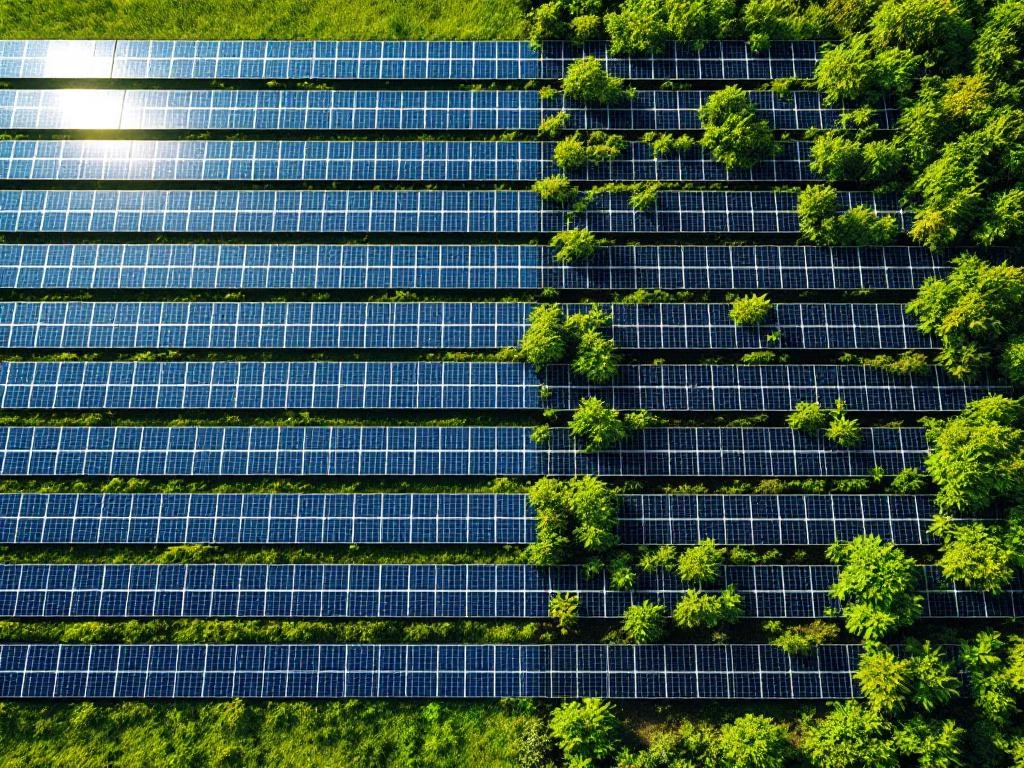
Vegetation significantly impacts solar farm performance by reducing energy output through shading, creating fire hazards, and complicating maintenance access. Even small amounts of vegetation growth can cause substantial power losses and operational challenges. Proper vegetation management involves strategic planning, regular maintenance schedules, and selecting appropriate ground cover that supports rather than hinders solar operations.
What types of vegetation problems do solar farms actually face?
Solar farms encounter several vegetation challenges that can severely impact performance and safety. Fast-growing weeds, tall grasses, invasive species, and seasonal plant growth create the most significant operational issues for commercial solar installations.
Weeds and tall grasses pose the most immediate threat to solar panel efficiency. These plants can grow quickly during favorable weather conditions, reaching heights that shade lower panel edges within weeks. Common problematic species include ragweed, goldenrod, and various grass types that thrive in disturbed soil environments typical of solar construction sites.
Invasive species present long-term management challenges because they spread aggressively and often resist standard control methods. Plants like Japanese knotweed or kudzu can overwhelm native vegetation and create dense canopies that block significant sunlight from reaching panels.
Seasonal growth patterns create predictable but serious problems. Spring growth spurts can quickly transform manageable vegetation into performance-reducing obstacles. Winter dieback creates fire hazards from dry plant material, while summer growth can interfere with maintenance vehicle access between panel rows.
Vegetation also creates operational complications beyond shading. Dense plant growth restricts access for cleaning crews, maintenance technicians, and emergency responders. Root systems can potentially damage underground electrical infrastructure, while certain plants attract wildlife that may cause additional operational issues.
How does vegetation shading affect solar panel energy production?
Vegetation shading reduces solar panel energy production by blocking sunlight from reaching photovoltaic cells. Even partial shading of individual panels can cause disproportionate power losses due to how solar panels are electrically configured in series strings.
When vegetation shades even a small portion of a solar panel, the entire panel’s output decreases significantly. This happens because solar cells within a panel are connected in series, meaning the current flowing through the entire panel is limited by the lowest-performing cell. A single shaded cell can reduce an entire panel’s output by 50% or more.
The impact extends beyond individual panels to entire strings of panels connected together. Modern solar installations use string inverters or power optimizers that can help mitigate some shading losses, but vegetation shading still creates measurable production decreases across the affected area.
Consistent sunlight exposure is vital for optimal solar farm performance because photovoltaic systems are designed around predictable irradiance levels. Even intermittent shading from swaying vegetation can cause power fluctuations that stress electrical components and reduce overall system efficiency.
The timing of vegetation shading also matters significantly. Shading during peak sunlight hours (typically 10 a.m. to 3 p.m.) causes the greatest energy losses because this period represents the highest potential power generation. Morning or evening shading has less impact but still reduces overall daily energy production.
What’s the difference between good and bad vegetation around solar panels?
Good vegetation around solar panels provides ground stabilization and erosion control without creating shading or maintenance issues. Bad vegetation grows tall enough to shade panels, creates fire hazards, or interferes with operational access and equipment function.
Beneficial ground cover includes low-growing native grasses, clover, and other plants that remain under 12 inches tall throughout their growing season. These plants help prevent soil erosion, reduce dust that can accumulate on panels, and create stable surfaces for maintenance vehicles. Native wildflowers and pollinator-friendly plants can provide environmental benefits while staying low enough to avoid operational conflicts.
Problematic vegetation includes any plants that grow above panel height or spread aggressively. Fast-growing annuals like sunflowers, corn, or tall weeds can quickly create shading problems. Woody plants such as saplings, shrubs, or vines pose long-term threats because they continue growing larger each year and can be difficult to remove once established.
Vegetation with high fire-risk characteristics creates particular problems for solar farms. Dry grasses, plants with high oil content, or species that accumulate significant dead material increase wildfire risks. These plants can also create electrical hazards if they grow too close to inverters, transformers, or other electrical equipment.
The ideal vegetation management approach combines strategic ground cover selection with regular maintenance. This means choosing plants that provide soil benefits while maintaining growth characteristics that support rather than hinder solar operations throughout the facility’s operational life.
How do you manage vegetation growth around solar installations?
Effective vegetation management around solar installations requires scheduled mowing, selective clearing, appropriate ground cover selection, and preventive measures that maintain panel efficiency while supporting environmental goals.
Regular mowing schedules typically involve cutting vegetation two to four times per year, depending on local growing conditions and plant types. Most solar farms maintain vegetation below 18 inches to prevent shading while allowing beneficial ground cover to establish. Timing mowing activities around seasonal growth patterns maximizes effectiveness and minimizes regrowth.
Selective clearing focuses on removing problematic species while preserving beneficial vegetation. This approach targets fast-growing weeds, invasive plants, and anything approaching panel height while maintaining erosion-controlling ground cover. Hand clearing around sensitive electrical equipment ensures safety, while mechanical mowing handles larger areas efficiently.
Ground cover selection during initial installation significantly reduces long-term maintenance requirements. Choosing appropriate seed mixes or establishing desired vegetation types before problematic species take hold creates more manageable maintenance scenarios. Native plant selections often require less water and maintenance while providing better long-term ground stabilization.
Preventive measures include soil amendments, strategic herbicide applications, and physical barriers where appropriate. Some solar farms use landscape fabric or gravel in high-risk areas, though these approaches must balance vegetation control with environmental considerations and local regulations.
Professional inspection services including Scios Scope 12, Scope 8, and Scope 10 inspections help identify vegetation-related issues before they impact solar farm performance. These specialized assessments evaluate vegetation growth patterns and potential shading risks through systematic inspection protocols.
Why does vegetation management matter for solar farm insurance and inspections?
Proper vegetation management affects solar farm insurance requirements, inspection standards, and fire risk mitigation. Insurance providers and project financiers consider vegetation control practices when evaluating solar panel risks and determining coverage terms for commercial solar installations.
Insurance requirements often include specific vegetation management standards as part of policy conditions. Insurers recognize that uncontrolled vegetation increases fire risks, creates access problems for emergency responders, and can lead to equipment damage or performance losses. Failure to maintain adequate vegetation control can potentially void insurance coverage or result in claim denials.
Fire risk mitigation represents a primary concern for insurance providers and regulatory authorities. Dry vegetation creates fuel loads that can ignite and spread rapidly, potentially causing extensive damage to solar equipment and surrounding property. Many insurance policies require maintaining defensible space around solar installations and implementing fire-prevention vegetation management practices.
Inspection standards frequently include vegetation assessment as part of routine facility evaluations. Professional inspections examine vegetation growth patterns, identify potential shading issues, and assess fire risks associated with plant growth. These inspections help ensure compliance with insurance requirements and operational standards.
Project financing often depends on demonstrating adequate vegetation management plans and implementation capabilities. Lenders want assurance that vegetation issues will not compromise project performance or create unexpected maintenance costs that could affect loan repayment. Proper vegetation management documentation supports financing applications and ongoing compliance requirements.
Operational compliance extends beyond insurance to include local fire codes, environmental regulations, and utility interconnection requirements. Many jurisdictions have specific vegetation management requirements for solar installations, particularly regarding fire prevention and electrical safety standards.
How Solarif helps with vegetation-related solar farm challenges
We provide comprehensive solutions for vegetation-related solar farm challenges through specialized inspection services, targeted insurance coverage, and quality assessments that ensure proper vegetation management practices throughout your project’s operational life.
Our inspection services identify vegetation risks before they impact performance or create compliance issues:
- Drone inspections provide detailed visual documentation of vegetation growth patterns and potential shading issues across large solar installations.
- Factory and batch inspections ensure vegetation management equipment meets operational requirements.
- Scios Scope inspections evaluate vegetation-related issues through systematic assessment protocols.
- Regular monitoring helps track vegetation growth trends and maintenance effectiveness over time.
We offer insurance solutions that protect against vegetation-related risks and support proper management practices. Our PV Performance Cover protects against energy production losses caused by vegetation issues, while our comprehensive inspection process helps identify and address vegetation management requirements for optimal insurance terms.
Quality assessments ensure your vegetation management practices meet industry standards and insurance requirements. We evaluate management plans, assess implementation effectiveness, and provide recommendations for improving vegetation control strategies that support both operational efficiency and environmental goals.
Ready to protect your solar investment from vegetation-related risks? Contact our renewable energy insurance specialists to discuss comprehensive coverage options and professional inspection services tailored to your project’s specific vegetation management challenges.
Insurance and inspection needs for your BESS?
Contact us today if you want to know more about the possibilities in BESS insurance and Scope inspections.
📧 Email: support@solarif.com
☎️ Phone: +31 (0)26 711 5050