


How does water quality affect floating solar performance?
Water quality significantly affects floating solar performance through temperature regulation, contamination exposure, and biological growth patterns. Poor water conditions can reduce panel efficiency by up to 15% while accelerating component degradation. Understanding these relationships helps optimize system design, maintenance schedules, and long-term performance for commercial floating solar installations.
What is floating solar and why does water quality matter?
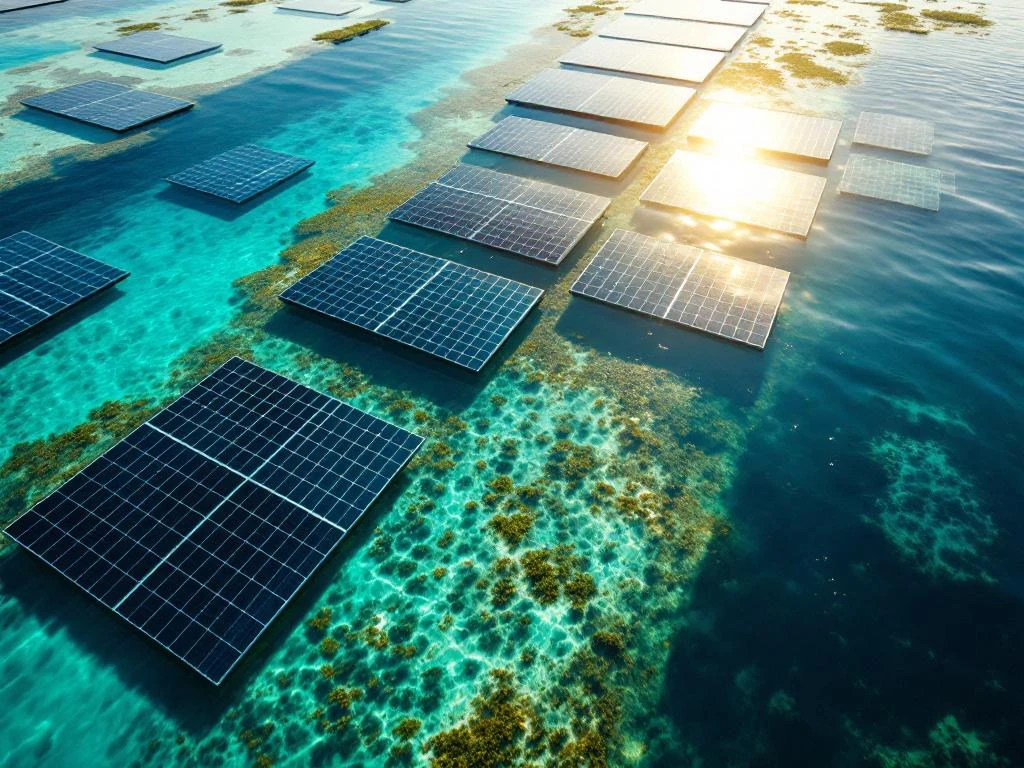
Floating solar systems are photovoltaic installations mounted on water bodies using specialized flotation structures. Water quality directly impacts panel performance, efficiency, and operational lifespan through thermal effects, chemical exposure, and biological interactions that do not affect traditional ground-mounted systems.
Unlike terrestrial installations, floating solar panels experience unique environmental conditions. The water body acts as both a cooling medium and a potential source of contamination. Water temperature variations affect panel efficiency differently from air temperature changes, while dissolved chemicals and biological matter can create maintenance challenges not encountered in land-based systems.
The interaction between solar panels and water creates a complex environment in which water chemistry affects component materials. Saltwater installations face different challenges from freshwater systems, while industrial water bodies may contain chemicals that accelerate corrosion or reduce the transparency of protective coatings.
How does water temperature affect floating solar panel efficiency?
Water temperature provides natural cooling that can improve floating solar panel efficiency by 10–15% compared with ground-mounted systems. Cooler water temperatures help maintain optimal operating conditions, while warmer water reduces the cooling benefit and may decrease performance during peak summer months.
The thermal mass of water bodies creates more stable temperature conditions than those experienced by air-cooled systems. This stability reduces thermal cycling stress on panel components and electrical connections. Consistent cooling effects help maintain higher voltage outputs throughout the day, particularly during peak irradiance periods when ground-mounted panels typically experience efficiency losses.
Seasonal water temperature variations affect system performance in predictable ways. Spring and autumn often provide optimal conditions with moderate water temperatures, while winter may reduce cooling benefits in temperate climates. Understanding these patterns helps predict energy output and plan maintenance schedules around performance variations.
What water contaminants can damage floating solar systems?
Chemical contaminants, including high salinity, industrial pollutants, and acidic conditions, can corrode floating solar components and reduce system efficiency. Heavy metals, petroleum products, and extreme pH levels pose the greatest risks to panel frames, electrical connections, and flotation materials over time.
Saltwater environments accelerate corrosion of metal components, particularly aluminum frames and stainless steel fasteners. Industrial discharge containing acids or bases can degrade protective coatings and sealing materials. Chemical exposure patterns vary by water body type, with agricultural runoff creating different challenges from urban stormwater or industrial discharge.
Dissolved minerals can create scaling on panel surfaces, reducing light transmission and requiring more frequent cleaning. High levels of suspended particles increase abrasive wear during cleaning operations and may clog drainage systems in flotation structures.
How do algae and aquatic vegetation impact floating solar performance?
Algae growth and aquatic vegetation can reduce floating solar performance by creating shading, increasing cleaning requirements, and interfering with system access. Dense algae blooms may cover panel edges, while floating vegetation can damage cables and create navigation hazards for maintenance crews.
Biological growth patterns follow seasonal cycles and nutrient availability in the water body. Algae accumulation on panel surfaces requires regular cleaning to maintain optimal light transmission. Some algae types produce acidic or basic compounds that may affect panel materials differently from standard cleaning solutions.
Aquatic vegetation management becomes important around floating solar installations. Fast-growing plants can entangle mooring systems or create access difficulties for maintenance boats. Planning installation layouts with adequate clearance and implementing vegetation management strategies helps maintain system accessibility.
What water conditions provide the best floating solar performance?
Optimal floating solar performance occurs in freshwater bodies with stable temperatures, neutral pH levels, and minimal contamination. Water depths of 3–5 meters provide adequate thermal mass while avoiding extreme temperature fluctuations that affect panel efficiency and component longevity.
Ideal water characteristics include pH levels between 6.5 and 8.5, low dissolved salt content, and minimal industrial contamination. Stable water levels reduce stress on mooring systems and electrical connections. Protected water bodies with limited wave action provide better conditions than exposed locations subject to weather-related turbulence.
Water clarity affects maintenance visibility and cleaning effectiveness. Clear water allows better inspection of underwater components and flotation systems. Low nutrient levels reduce biological growth that requires ongoing management, while good water circulation helps prevent stagnation and localized contamination buildup.
How do you maintain floating solar systems in different water conditions?
Maintenance approaches for floating solar systems vary significantly based on water quality, requiring customized cleaning schedules, specialized equipment, and water-specific inspection protocols. Saltwater installations need more frequent corrosion inspections, while freshwater systems may require enhanced biological growth management.
Cleaning protocols must account for water chemistry and biological activity. Maintenance scheduling adapts to seasonal patterns, with more frequent cleaning during algae bloom periods and enhanced corrosion inspections in chemically challenging environments. Specialized boats and cleaning equipment designed for water-based access become necessary infrastructure.
Different water conditions require specific preventive measures. Industrial water bodies may need chemical-resistant coatings and enhanced sealing systems. Agricultural areas with fertilizer runoff require strategies for managing accelerated biological growth. Regular water quality monitoring helps predict maintenance needs and identify changing conditions that affect system performance, making comprehensive inspection services essential for long-term success.
How Solarif helps with floating solar water quality assessment
We provide specialized inspection services for floating solar projects, including water quality assessments and insurance solutions tailored to aquatic installations. Our Risk Management services help identify solar panel risks specific to water-based environments through targeted inspections and assessments.
Our floating solar services include:
- Water quality inspections evaluating chemical, biological, and physical factors
- Specialized insurance coverage for water-based solar installations
- Quality inspection protocols adapted for floating systems
- Factory, batch, and drone inspections for floating solar components
- Project bankability assessments that consider water-specific challenges
As an experienced insurance broker specializing in renewable energy projects, we understand how water conditions affect system performance and insurance requirements. Our inspection-focused approach ensures your floating solar project meets financing criteria while identifying water-related risks that traditional solar insurance may not adequately cover.
Ready to secure your floating solar investment? Contact our renewable energy specialists for comprehensive water quality inspections and tailored insurance solutions.
Insurance and inspection needs for your BESS?
Contact us today if you want to know more about the possibilities in BESS insurance and Scope inspections.
📧 Email: support@solarif.com
☎️ Phone: +31 (0)26 711 5050