



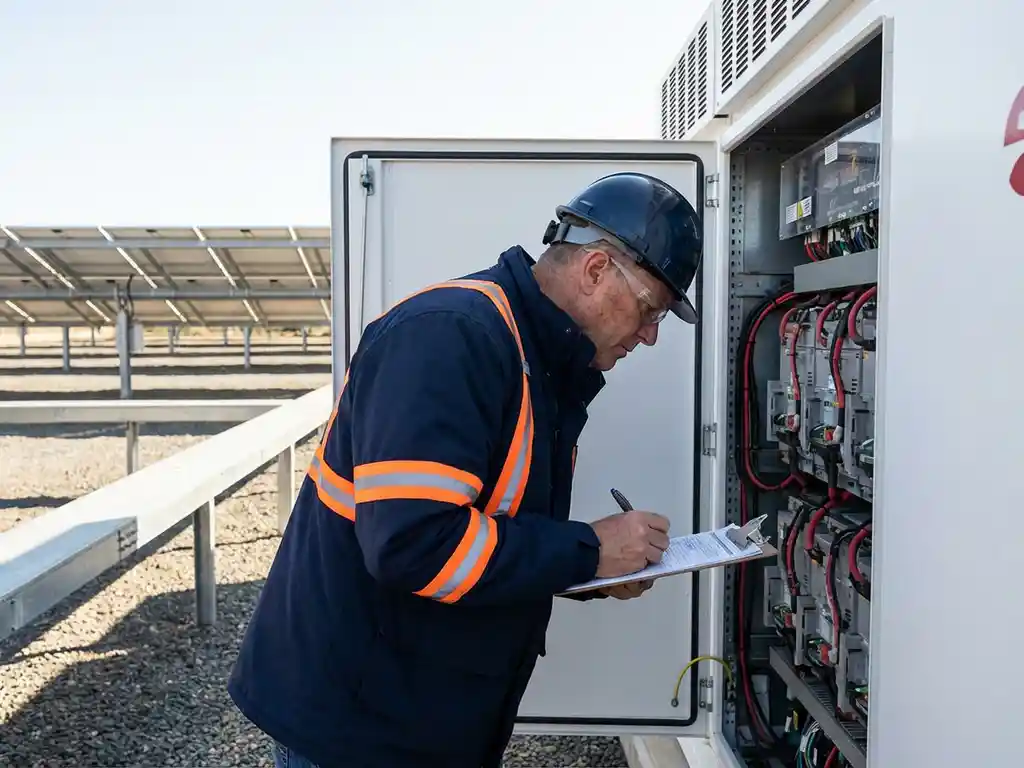
How often should BESS safety inspections occur?
Battery Energy Storage Systems (BESS) are becoming increasingly critical components of renewable energy infrastructure, but their complex electrochemical nature and high energy density create unique safety challenges that require systematic monitoring. As these systems scale from small commercial installations to utility-scale battery farms with hundreds of megawatt-hours of capacity, the importance of regular safety inspections becomes paramount to preventing catastrophic failures, ensuring operational reliability, and maintaining insurance coverage.
Understanding the appropriate inspection frequency for BESS installations is essential for project developers, EPC contractors, and facility operators who need to balance safety requirements with operational costs while meeting regulatory and insurance obligations.
What are BESS safety inspections and why are they critical?
BESS safety inspections are comprehensive evaluations of battery energy storage systems that assess the condition and performance of critical safety components, including the Battery Management System (BMS), thermal management systems, fire detection and suppression systems, and electrical connections. These inspections are critical because lithium-ion batteries must operate within strict safety parameters to prevent thermal runaway, fires, and system failures that can result in significant property damage and operational downtime.
The inspection process focuses on several key areas that directly impact system safety. The BMS continuously monitors cell voltage, current, temperature, and state of charge, making it essential that this system functions correctly to prevent overcharging, deep discharge, or dangerous temperature excursions. Thermal management systems require regular assessment because batteries perform optimally within specific temperature ranges, and cooling system failures can lead to overheating and potential thermal runaway events.
Fire detection and suppression systems represent another critical inspection area. BESS installations typically include specialized fire suppression systems, such as gas suppression or immersion cooling systems, along with smoke detection and emergency shutdown capabilities. Regular inspection ensures these safety systems will activate properly in emergency situations.
Physical security components also require attention during safety inspections. Because BESS installations often represent critical infrastructure, proper fencing, access controls, and surveillance systems help prevent unauthorized access that could compromise system safety or security.
How often should routine BESS safety inspections be performed?
Routine BESS safety inspections should typically be performed quarterly during the first year of operation, then transition to semiannual inspections for mature systems, with additional monthly visual checks of critical safety systems. This frequency ensures early detection of potential issues while balancing inspection costs with safety requirements, though specific schedules may vary based on system size, technology, and operating environment.
Inspection frequency often depends on several factors that influence system risk levels. New installations require more frequent monitoring during the first 12–18 months of operation, as this period typically reveals manufacturing defects, installation issues, or early component failures. Environmental conditions also play a significant role, with systems operating in extreme temperatures, high humidity, or corrosive environments requiring more frequent inspections.
System utilization patterns affect inspection scheduling as well. BESS installations that undergo frequent charge-discharge cycles or operate at high capacity factors may experience more rapid component degradation, necessitating more frequent safety evaluations. Conversely, systems used primarily for emergency backup or infrequent grid services may follow extended inspection intervals.
Many operators implement a tiered inspection approach that combines different frequencies. Daily automated monitoring through the BMS and Energy Management System provides continuous oversight of critical parameters. Weekly or monthly visual inspections by on-site personnel check for obvious signs of damage, leaks, or abnormal conditions. Quarterly comprehensive inspections involve detailed testing of safety systems, while annual inspections may include more invasive testing and component replacements.
What’s the difference between preventive and diagnostic BESS inspections?
Preventive BESS inspections are scheduled maintenance activities designed to identify and address potential issues before they cause system failures, while diagnostic inspections are reactive evaluations performed in response to specific problems, alarms, or performance degradation. Preventive inspections follow predetermined schedules and checklists, whereas diagnostic inspections focus on troubleshooting specific symptoms or anomalies.
Preventive inspections typically include routine tasks such as cleaning electrical connections, checking torque specifications on bolted connections, testing fire suppression systems, calibrating sensors, and verifying the proper operation of cooling systems. These inspections aim to maintain optimal system performance and extend component life through proactive maintenance.
The preventive approach also includes trend analysis of system data to identify gradual degradation patterns. Battery capacity testing, impedance measurements, and thermal imaging help detect cells or modules that may be beginning to fail before they affect overall system performance or create safety hazards.
Diagnostic inspections, in contrast, respond to specific triggers such as BMS alarms, unexpected shutdowns, performance deviations, or visible damage. These inspections require specialized expertise to interpret symptoms and identify root causes. Diagnostic work might involve detailed electrical testing, thermal analysis of specific components, or forensic examination of failed parts.
The scope of diagnostic inspections varies significantly based on the presenting problem. Simple issues such as sensor calibration drift may require only targeted testing, while complex problems such as thermal runaway events necessitate comprehensive system evaluation and potentially extensive component replacement.
What safety risks do BESS inspections help prevent?
BESS inspections help prevent thermal runaway events, electrical fires, toxic gas emissions, and catastrophic system failures that can result in significant property damage, environmental contamination, and potential injury to personnel. These safety risks are particularly concerning because battery fires can be difficult to extinguish and may reignite hours or days after initial suppression efforts.
Thermal runaway represents the most significant safety risk in BESS installations. This phenomenon occurs when a battery cell generates heat faster than it can dissipate it, leading to a self-sustaining reaction that can spread to adjacent cells. Regular inspections of thermal management systems, cell monitoring equipment, and environmental controls help identify conditions that could trigger thermal runaway events.
Electrical hazards pose another major risk category that inspections address. High-voltage DC systems present unique dangers, including arc flash risks and the potential for sustained electrical fires. Inspection protocols focus on connection integrity, insulation condition, and proper grounding to prevent electrical faults that could lead to fires or personnel injury.
Gas emissions from battery systems create both immediate and long-term health risks. Lithium-ion batteries can release toxic gases, including hydrogen fluoride, carbon monoxide, and various organic compounds, during thermal events. Proper ventilation systems and gas detection equipment require regular testing to ensure they will protect personnel and prevent gas accumulation.
Structural and containment failures represent additional risks that inspections help mitigate. Battery installations must maintain proper fire-rated barriers, drainage systems for potential electrolyte spills, and structural integrity under various load conditions. Regular inspection ensures these passive safety systems remain effective throughout the system’s operational life.
Who should perform BESS safety inspections and what qualifications are needed?
BESS safety inspections should be performed by certified technicians with specialized training in battery systems, electrical safety, and energy storage technologies, typically holding qualifications such as NABCEP certification, electrical licenses, and manufacturer-specific training credentials. The complexity and safety risks of these systems require expertise beyond standard electrical work, making proper qualifications essential for effective and safe inspection procedures.
Qualified inspectors typically possess a combination of formal education and specialized training. Electrical engineering backgrounds provide a fundamental understanding of power systems and safety protocols, while specialized battery system training covers the unique characteristics of different battery chemistries, thermal management systems, and safety procedures specific to energy storage applications.
Manufacturer certification programs play a crucial role in inspector qualifications. Major BESS manufacturers offer training programs that cover system-specific safety procedures, diagnostic tools, and maintenance protocols. These certifications ensure inspectors understand the particular requirements and safety considerations for specific equipment brands and models.
Industry certifications provide additional credibility and standardization. Organizations such as the North American Board of Certified Energy Practitioners (NABCEP) offer energy storage system installer certifications that cover safety protocols, system design principles, and inspection procedures. Similarly, electrical contractor licenses ensure inspectors understand general electrical safety principles and local code requirements.
The inspection team structure often includes multiple specialists depending on system complexity. Lead inspectors typically hold multiple certifications and have several years of experience with energy storage systems. Supporting technicians may specialize in specific areas such as fire protection systems, thermal imaging, or electrical testing. For large utility-scale installations, inspection teams may include engineers who can interpret complex system data and recommend design modifications or operational changes.
How Solarif helps with BESS safety inspections
We provide comprehensive risk management solutions for BESS installations through our specialized inspection services and insurance expertise. Our approach combines technical safety assessments with insurance requirements to ensure your battery storage systems meet both operational and coverage standards. Key services include:
- Customized inspection schedules based on system specifications and risk profiles
- Qualified inspector networks with manufacturer certifications and energy storage expertise
- Insurance-compliant safety assessments that meet carrier requirements for coverage
- Risk mitigation recommendations to reduce premiums and improve system reliability
- Integration with renewable energy project insurance packages for comprehensive coverage
As insurance brokers specializing in renewable energy projects, we understand that insurers often require regular safety inspections for BESS coverage and may offer reduced premiums for installations with comprehensive safety protocols. Contact our energy storage specialists to develop an inspection and insurance strategy that protects your investment while optimizing operational costs.
Insurance and inspection needs for your BESS?
Contact us today if you want to know more about the possibilities in BESS insurance and Scope inspections.
📧 Email: support@solarif.com
☎️ Phone: +31 (0)26 711 5050