



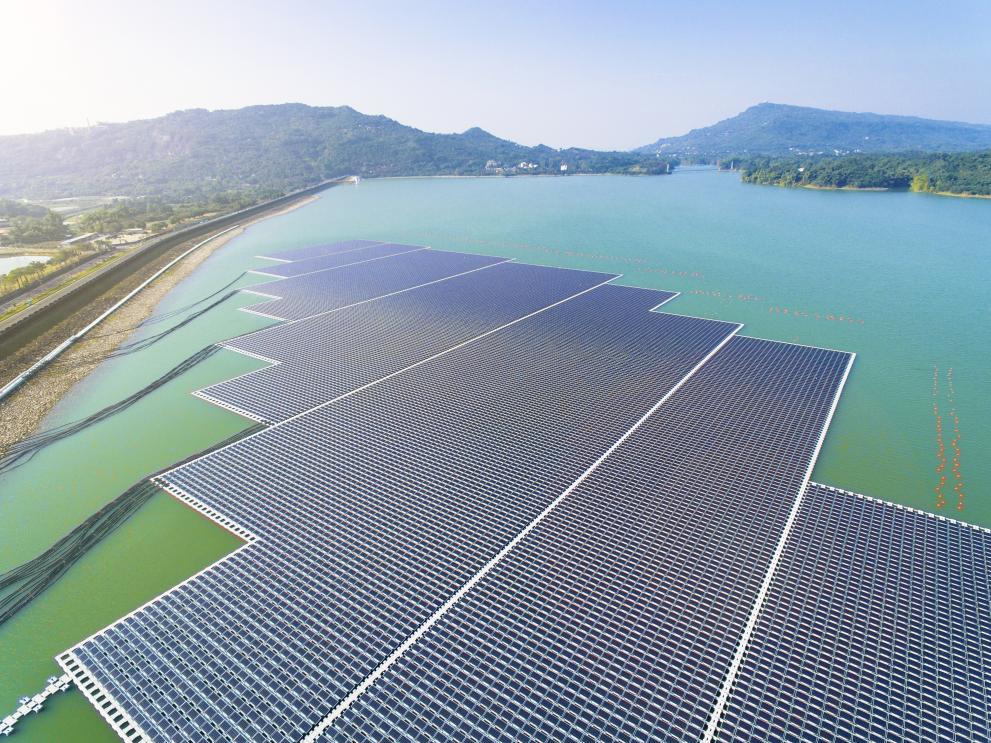
Before the first float enters the water, a complex permitting process must be completed. Non-compliance with environmental and water legislation leads to project delays, fines, or even mandatory dismantling.
The legal use of water
The water on which the installation is placed often has a specific legal designation (drinking water reservoir, recreation, industrial use). Obtaining a permit requires a thorough legal analysis of water rights.
- Risk of rejection: if it cannot be sufficiently demonstrated that the installation does not negatively affect water quality (e.g., through leaching of plastic or coatings), the permit can be rejected at the last moment, resulting in a Total Loss of the development costs.
- Ecological impact studies: a detailed Ecological Impact Assessment (EIA) is crucial. This document must demonstrate that the project does not significantly disturb the local flora and fauna (birds, fish). This often includes the obligation to provide free passage for migratory fish and water birds.
Floating Solar insurance: specialization is necessary
The uncertainty of water, such as the failure of anchoring to unforeseen ecological requirements and logistically complex damages, demands an insurance partner who truly understands these risks. Our expertise in global PV project insurance ensures that unique risks on and around the water are fully and correctly covered. We look forward to hearing from you! 😊
📧 Email: support@solarif.com
☎️ Phone: +31 (0)26 711 5050