



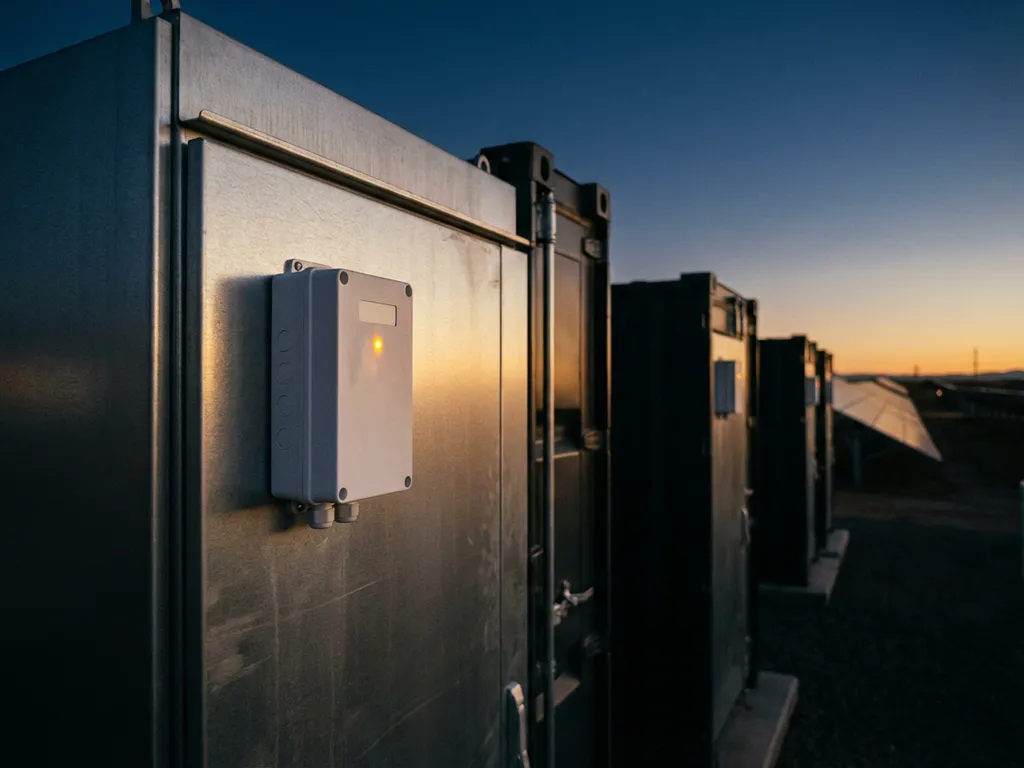
Should you install gas detection systems in BESS?
Battery Energy Storage Systems (BESS) have become essential infrastructure for stabilizing renewable energy grids and managing peak demand. However, these powerful installations carry significant fire and safety risks, particularly from thermal runaway events that can release toxic gases and cause catastrophic failures. As BESS deployments accelerate globally, implementing comprehensive gas detection systems has evolved from an optional safety measure into a critical requirement for protecting both personnel and valuable assets.
The consequences of inadequate gas monitoring in battery storage facilities can be severe, ranging from equipment damage and business interruption to life-threatening situations for maintenance crews and emergency responders. Understanding when and how to deploy gas detection technology is crucial for any organization investing in battery energy storage infrastructure.
What are gas detection systems, and why are they critical for BESS safety?
Gas detection systems for BESS are specialized monitoring networks that continuously measure air quality and identify dangerous gas concentrations within battery storage facilities. These systems use advanced sensors to detect toxic and flammable gases released during battery malfunctions, providing early warning before conditions become life-threatening or lead to catastrophic failures.
The importance of gas detection in BESS installations stems from the inherent risks of lithium-ion battery technology. When battery cells experience thermal runaway, they release a cocktail of dangerous gases, including hydrogen fluoride, carbon monoxide, and various organic compounds. These emissions can occur rapidly and without obvious visual indicators, making continuous monitoring essential for personnel safety.
Modern gas detection systems integrate seamlessly with existing Battery Management Systems (BMS) and fire suppression infrastructure. They provide real-time data to facility operators and can automatically trigger emergency protocols, including ventilation activation, evacuation alerts, and fire suppression system deployment. This integration ensures coordinated safety responses that protect both human life and equipment investments.
What gases do BESS installations need to monitor for?
BESS facilities must monitor for hydrogen fluoride (HF), carbon monoxide (CO), carbon dioxide (CO2), hydrogen (H2), and various volatile organic compounds (VOCs) that lithium-ion batteries release during thermal events. Hydrogen fluoride poses the greatest immediate threat due to its extreme toxicity, while hydrogen creates explosion risks in enclosed spaces.
The specific gas profile depends on battery chemistry and cell construction. Lithium iron phosphate (LFP) batteries typically produce fewer toxic emissions than nickel-based chemistries, but all lithium-ion technologies can generate dangerous concentrations of hydrogen fluoride and carbon monoxide during thermal runaway. Electrolyte composition significantly influences which gases are released and in what quantities.
Environmental factors also affect gas monitoring requirements. Outdoor installations may benefit from natural ventilation that disperses gases more quickly, while containerized or indoor BESS require more sensitive detection due to the potential for gas accumulation. Temperature and humidity can influence sensor performance and gas behavior, requiring calibrated detection thresholds for different operating conditions.
How do gas detection systems prevent thermal runaway in battery storage?
Gas detection systems do not directly prevent thermal runaway, but they provide critical early warning that enables rapid intervention before single-cell failures cascade into system-wide catastrophes. By detecting gas emissions from initial cell venting, these systems can trigger immediate cooling and isolation protocols that may contain thermal events to individual battery modules.
The mitigation mechanism works through rapid response integration. When gas sensors detect elevated concentrations, automated systems can isolate affected battery sections, activate enhanced cooling, and deploy fire suppression agents. This coordinated response often occurs within seconds of initial gas detection—significantly faster than human operators could respond to visual or thermal indicators alone.
Early gas detection also enables more targeted suppression strategies. Rather than flooding entire battery rooms with suppression agents, detection systems can pinpoint affected areas and deploy cooling or inert gas specifically where needed. This precision reduces collateral damage to unaffected equipment while maximizing suppression effectiveness where thermal runaway is actually occurring.
What’s the difference between fixed and portable gas detection for BESS?
Fixed gas detection systems provide continuous, automated monitoring through permanently installed sensors connected to central control systems, while portable detectors are handheld devices used for spot checks and maintenance activities. Fixed systems offer comprehensive coverage and immediate automated response capabilities, whereas portable units provide flexibility for targeted inspections and emergency response.
Fixed detection networks typically include multiple sensor points throughout the facility, connected via wired or wireless communications to central monitoring stations. These systems operate continuously, logging data trends and providing historical analysis capabilities. They integrate directly with facility management systems, enabling automated responses such as ventilation activation or emergency shutdowns without human intervention.
Portable detectors serve different but complementary functions. Maintenance personnel use them when entering battery enclosures, conducting inspections, or responding to alarms. They provide personal protection during close-proximity work and can detect gas pockets that might not trigger fixed sensors due to air circulation patterns or sensor placement limitations.
Integration strategies
Most comprehensive BESS safety programs combine both approaches. Fixed systems provide baseline monitoring and automated emergency response, while portable units help ensure worker safety during maintenance and provide backup verification during alarm conditions. This dual approach maximizes both facility protection and personnel safety across operational scenarios.
Where should gas detectors be positioned in BESS installations?
Gas detectors in BESS installations should be positioned at breathing height near battery modules, at ceiling level to capture rising gases, near ventilation intake and exhaust points, and in potential gas accumulation zones such as low-lying areas where heavier gases might collect. Strategic placement ensures comprehensive coverage while accounting for natural gas movement patterns and facility airflow.
Within battery containers or rooms, sensors should be placed both near individual battery racks and in central locations that capture overall air quality. Because different gases have varying densities, multi-level detection is essential. Hydrogen rises and accumulates near ceilings, while some organic vapors may settle in lower areas. Carbon monoxide and hydrogen fluoride can disperse throughout the breathing zone, requiring sensors at multiple heights.
Ventilation system integration is crucial for effective detector placement. Sensors near air intake points can detect external contamination, while exhaust monitoring helps confirm that ventilation systems are effectively removing dangerous gases. Emergency egress routes should also have detection coverage to help ensure personnel can evacuate safely if gas concentrations become dangerous.
Environmental considerations affect optimal positioning. Outdoor installations may require weather-resistant sensors and different placement strategies to account for wind patterns and natural ventilation. Indoor facilities need more comprehensive coverage due to the potential for gas accumulation and limited natural air exchange.
How much do gas detection systems cost for battery storage projects?
Gas detection systems for BESS installations typically cost between $15,000 and $75,000 for comprehensive coverage, depending on facility size, detection technology, and integration complexity. Basic systems for smaller installations start at around $10,000, while large-scale battery farms with advanced multi-gas detection and full automation integration can exceed $100,000.
Cost factors include sensor quantity and type. Basic electrochemical sensors cost $500 to $2,000 each, while advanced infrared or laser-based detectors range from $3,000 to $8,000 per unit. Installation complexity significantly affects total costs, as systems requiring extensive wiring, integration with existing safety systems, or specialized mounting can double labor expenses.
Ongoing operational costs include annual calibration and maintenance, typically $200 to $500 per sensor, plus periodic sensor replacement every 2 to 5 years, depending on the technology. Advanced systems with remote monitoring capabilities may include annual service contracts ranging from $2,000 to $10,000, but these often provide comprehensive support, including emergency response and system optimization.
When evaluating costs, consider the potential savings from insurance premium reductions and improved system reliability. Many insurers offer reduced premiums for BESS installations with comprehensive gas detection, and preventing a single thermal runaway event can easily justify the entire detection system investment through avoided equipment replacement and business interruption costs.
How Solarif helps with BESS safety and gas detection systems
As an insurance broker specializing in renewable energy projects, we understand that comprehensive safety systems such as gas detection are essential for securing favorable insurance terms and protecting your battery storage investments. We work with leading insurers who recognize the value of proactive safety measures and often provide premium reductions for well-protected BESS installations.
Our risk management services help you implement optimal safety strategies:
- Comprehensive risk assessments that identify specific gas detection requirements for your BESS configuration
- Insurance program structuring that rewards investments in advanced safety systems
- Quality inspections that verify proper gas detection system installation and operation
- Ongoing support to maintain insurance compliance as safety technologies evolve
With more than 15 years of experience in renewable energy risk management and 3.8 GW of solar and storage capacity insured, we provide the expertise needed to protect your battery storage investments while optimizing insurance costs. Contact our renewable energy insurance specialists today to discuss how proper gas detection systems can enhance both facility safety and insurance program effectiveness.
Insurance and inspection needs for your BESS?
Contact us today if you want to know more about the possibilities in BESS insurance and Scope inspections.
📧 Email: support@solarif.com
☎️ Phone: +31 (0)26 711 5050