



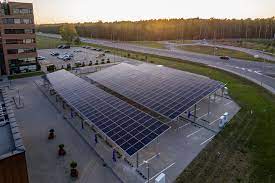
Combining PV, EV charging, and storage creates a powerful energy hub but introduces a layered risk structure that requires specialized insurance.
Layered risks due to system integration
- PV Risks: Standard risks such as degradation, microcracks, and damage from overvoltage.
- EV Charging Risks: Risk of short circuits, defective chargers, and especially the increased risk of lithium-ion fires in electric vehicles under the carport.
- Battery Storage Risks (BESS): The biggest risk is Thermal Runaway (an uncontrolled temperature increase in the battery), leading to catastrophic fires.
Preventive requirements for BESS
To manage this risk, insurers often require specialized systems:
- Active fire detection and suppression: consider gas detection and specialized extinguishing systems that are effective for lithium-ion fires.
- Thermal insulation: sufficient distance and insulation between the battery units and the structure.
Protection against indirect damage
The complexity of the hub means that a fault in one component (e.g., an inverter) can shut down the entire system. The policy must therefore include robust coverage for production loss that accounts for the failure of PV generation to secure EV charging revenue.
From risk to policy: the certainty for your Solar Carport
Due to the unique combination of construction, PV technology, and the risk of EV charging, a solar carport has risks that a standard policy does not cover. In addition to the risks already mentioned, think of complex damage from wind load or failure due to a fire at the charging point.
Solarif translates specialized risk knowledge into the most complete and robust insurance solution for your carport. Contact us for a risk analysis that directly leads to watertight insurance of your total investment and revenue. 😊
📧 Email: support@solarif.com
☎️ Phone: +31 (0)26 711 5050