



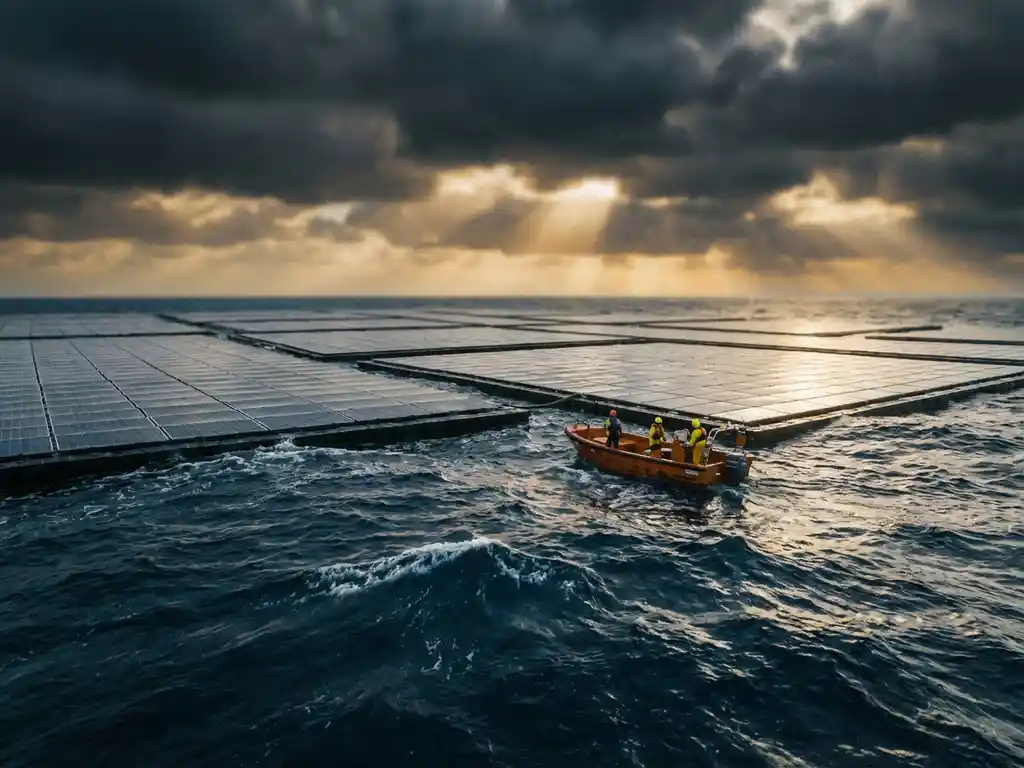
What are the bankability challenges for offshore solar?
Offshore solar installations represent a rapidly emerging frontier in renewable energy, combining the vast potential of marine environments with photovoltaic technology. Unlike traditional offshore wind projects, floating solar systems face unique technical, financial, and regulatory challenges that significantly affect their bankability and investment appeal.
For investors, developers, and financial institutions, understanding these bankability challenges is crucial to making informed decisions about offshore solar projects. From specialized insurance requirements to complex marine regulations, offshore solar presents both opportunities and risks that differ substantially from onshore installations.
What makes offshore solar projects different from onshore installations?
Offshore solar projects operate in marine environments using floating platforms or structures, exposing them to saltwater corrosion, wave action, and extreme weather conditions that onshore installations do not face. These systems require specialized anchoring systems, marine-grade components, and waterproof electrical connections, all of which significantly increase complexity and costs.
The marine environment creates unique operational challenges, including limited accessibility for maintenance, potential damage from marine life, and the need for specialized vessels and equipment for installation and repairs. Unlike onshore projects, where technicians can easily access equipment, offshore solar requires boat transportation and weather-dependent maintenance windows that can extend repair times and increase costs.
Additionally, offshore solar projects must comply with maritime regulations and environmental protection laws for marine ecosystems and often require coordination with shipping lanes, fishing areas, and other marine activities. This regulatory complexity adds layers of approval processes and ongoing compliance requirements that onshore projects typically avoid.
What are the main technical risks that affect offshore solar bankability?
The primary technical risks for offshore solar include saltwater corrosion of electrical components, structural failure of floating platforms due to wave action, and reduced system performance from marine fouling and salt deposits on panels. These risks can lead to higher maintenance costs, shorter equipment lifespans, and unpredictable energy output, which concerns investors.
Marine corrosion poses the most significant long-term threat, as saltwater exposure accelerates the degradation of inverters, cables, and mounting systems, even with protective coatings. This corrosion can cause unexpected failures that are expensive to repair due to the offshore location and the specialized marine equipment required for access.
Mooring and anchoring system failures represent another critical risk, as these systems must withstand storms, strong currents, and constant wave motion while maintaining the precise positioning needed for optimal solar panel performance. A mooring failure could result in total system loss or a collision with other marine infrastructure.
Weather-related risks are amplified offshore, where systems face higher wind speeds, larger waves, and more frequent extreme weather events than onshore installations. These conditions can damage panels, disrupt electrical connections, and create safety hazards that prevent maintenance teams from accessing the installation for extended periods.
How do financing requirements differ for offshore solar projects?
Offshore solar projects typically require 20–40% higher upfront capital than comparable onshore installations due to specialized marine equipment, complex installation procedures, and enhanced component specifications designed for saltwater environments. Lenders also demand higher debt service coverage ratios and longer construction timelines to account for weather delays and technical complexity.
Financial institutions often require more extensive technical due diligence for offshore projects, including detailed wave and weather studies, marine environmental assessments, and proof of concept from similar installations. This due diligence process can take months longer than it does for onshore projects and requires specialized marine engineering expertise, which adds to development costs.
Insurance requirements for offshore solar are significantly more complex and expensive than those for onshore projects. Standard solar panel insurance policies typically exclude marine risks, requiring specialized marine insurance coverage that can cost two to three times more than traditional renewable energy insurance. This higher insurance cost directly affects project economics and financing terms.
Lenders also typically require shorter loan terms for offshore solar projects due to perceived higher risks and limited operational track records. While onshore solar projects might secure 20–25-year financing terms, offshore projects often face maximum terms of 15–20 years, increasing annual debt service costs and reducing project returns.
What insurance challenges do offshore solar projects face?
Offshore solar projects face unique insurance challenges because standard solar panel insurance policies exclude marine perils such as storm surge, saltwater damage, and collisions with vessels or marine debris. Developers must secure specialized marine insurance coverage that addresses these risks while also maintaining traditional solar equipment protection.
Marine insurance for offshore solar requires coverage for multiple risk categories, including hull and machinery protection for floating platforms, protection and indemnity for third-party marine liability, and specialized coverage for mooring and anchoring systems. Each coverage type involves different insurers and policy terms, creating complex insurance arrangements that can be difficult to coordinate.
The limited operational history of offshore solar installations makes it challenging for insurers to accurately assess risks and set appropriate premiums. Without extensive claims data from similar projects, insurers often apply conservative pricing models that can make projects financially unviable or require developers to accept higher deductibles and coverage limitations.
Environmental liability coverage becomes particularly complex for offshore installations, as any pollution or environmental damage affects marine ecosystems protected by strict environmental regulations. Standard pollution exclusions in general liability policies create significant coverage gaps that require specialized environmental insurance with marine-specific provisions.
How do regulatory frameworks impact offshore solar bankability?
Offshore solar projects must navigate complex regulatory frameworks involving maritime authorities, environmental agencies, and energy regulators that can significantly delay project development and increase compliance costs. These multi-agency approval processes create regulatory uncertainty that makes it difficult for investors to assess project timelines and costs accurately.
Maritime regulations require offshore solar installations to comply with shipping safety requirements, navigation lighting standards, and vessel traffic management systems that onshore projects never encounter. These requirements can add substantial ongoing operational costs and may restrict installation locations to areas with limited solar resource potential.
Environmental permitting for offshore solar involves extensive marine ecosystem impact studies, fish and wildlife protection measures, and ongoing environmental monitoring requirements that can take years to complete and cost millions of dollars. Changes in environmental regulations or the discovery of protected species in the project area can halt development or require costly design modifications.
Grid connection regulations for offshore installations often require submarine cables and offshore substations that are subject to different technical standards and approval processes than onshore grid connections. These specialized infrastructure requirements can create regulatory bottlenecks and add significant costs that affect project economics.
What due diligence requirements do offshore solar projects need?
Offshore solar projects require comprehensive marine site assessments, including detailed bathymetric surveys, wave and current analysis, seabed condition studies, and long-term weather pattern evaluation, which can take 12–24 months to complete. These assessments are essential for designing appropriate anchoring systems and predicting long-term system performance but represent significant upfront costs before project approval.
Technical due diligence must include specialized marine engineering reviews of floating platform designs, mooring systems, and saltwater corrosion protection measures, which require expertise not typically needed for onshore solar projects. Independent engineering firms with marine renewable energy experience are essential but limited in number, potentially causing delays and higher consulting costs.
Financial due diligence for offshore solar requires detailed analysis of marine insurance costs, specialized maintenance vessel requirements, and weather-related operational limitations that can significantly affect project cash flows. Lenders typically require conservative performance assumptions and larger contingency reserves to account for the higher uncertainty in offshore operations.
Environmental due diligence involves extensive marine ecosystem studies, consultation with the fishing and shipping industries, and coordination with coastal communities that may be affected by the installation. These stakeholder engagement processes can reveal opposition or regulatory challenges that substantially affect project viability and must be thoroughly evaluated before investment decisions are made.
How Solarif helps with offshore solar bankability challenges
At Solarif, we understand the complex insurance and risk management challenges that make offshore solar projects difficult to finance and develop. With over 15 years of experience in renewable energy insurance and risk management, we provide specialized solutions that address the unique bankability challenges of offshore solar installations.
Our comprehensive offshore solar insurance solutions include:
- Specialized marine solar insurance coverage that addresses saltwater exposure, wave damage, and marine-specific risks
- Coordinated insurance programs combining marine hull coverage with solar equipment protection
- Environmental liability coverage designed for marine renewable energy installations
- Risk assessment services that help identify and mitigate technical and operational risks before they affect project financing
Through our international network and partnerships with A-rated marine insurers, we can structure insurance solutions that meet lender requirements while keeping coverage costs manageable for project economics. Our team works directly with developers, investors, and financial institutions to ensure insurance arrangements support successful project financing and long-term operations.
Ready to protect your offshore solar investment with specialized insurance solutions? Contact our renewable energy insurance experts today to discuss how we can help make your offshore solar project bankable and secure the coverage you need for successful project development.
Insurance and inspection needs for your BESS?
Contact us today if you want to know more about the possibilities in BESS insurance and Scope inspections.
📧 Email: support@solarif.com
☎️ Phone: +31 (0)26 711 5050