


What are the cyber risks of solar energy systems?
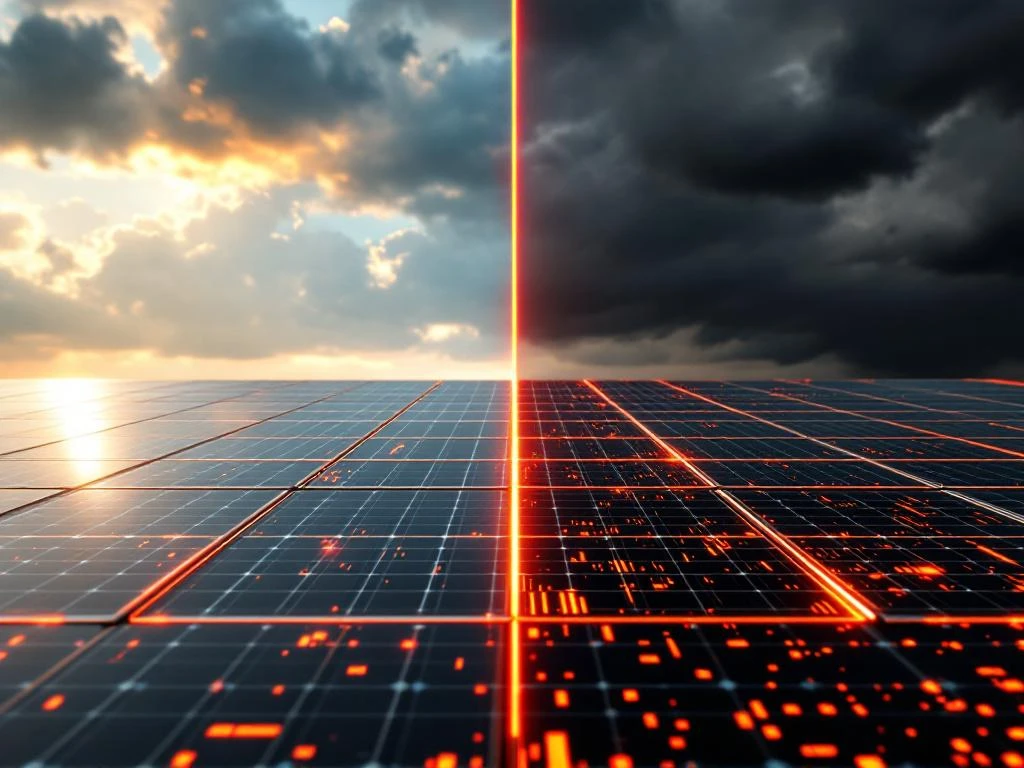
Solar energy systems face significant cyber risks, including malware attacks on inverters, unauthorized access to monitoring systems, data breaches involving production data, and vulnerabilities in smart grid connections. As renewable energy infrastructure becomes more digitalized, these systems create new attack surfaces that cybercriminals actively exploit. Understanding these threats helps protect your solar investments from disruption, data theft, and financial losses.
What are the main cyber risks facing solar energy systems today?
Solar energy systems face four primary cybersecurity threats: malware attacks on inverters, unauthorized access to monitoring platforms, data breaches involving energy production information, and vulnerabilities in smart grid connections. These risks emerge from the increasing connectivity of solar components and inadequate security measures in renewable energy infrastructure.
Malware specifically targets solar inverters because they serve as communication gateways between panels and monitoring systems. When infected, these devices can disrupt energy production or provide entry points for broader network attacks. Monitoring systems present another vulnerability, as they often use default passwords and lack proper encryption.
Smart grid connections introduce additional risks through two-way communication channels that hackers can exploit. Energy production data becomes valuable to cybercriminals for competitive intelligence or grid manipulation. The digitalization of renewable energy has essentially created an expanded attack surface that traditional security measures were not designed to protect.
Why are solar systems becoming attractive targets for cybercriminals?
Solar installations attract cybercriminals because of their increasing connectivity, valuable operational data, potential for disrupting energy supply, and often inadequate security measures. The growing digital footprint of solar infrastructure creates multiple entry points that hackers can exploit for various malicious purposes.
Modern solar systems generate valuable data about energy production patterns, grid connections, and operational efficiency. This information has commercial value and can be sold or used for competitive advantage. Cybercriminals also recognize that disrupting energy supply can create significant leverage for ransom demands.
Many solar installations prioritize functionality over security, leaving systems vulnerable through weak authentication, unencrypted communications, and outdated firmware. The distributed nature of solar farms makes comprehensive security monitoring challenging, creating blind spots that attackers can exploit. Additionally, the status of energy systems as critical infrastructure makes them high-value targets for both financial and political motivations.
How do hackers actually attack solar energy installations?
Hackers attack solar installations through firmware manipulation, network infiltration via IoT devices, man-in-the-middle attacks on communication protocols, and exploitation of default passwords in solar equipment. These attack methods target the weakest security links in connected solar infrastructure.
Firmware manipulation involves installing malicious code directly onto inverters or monitoring devices during manufacturing or through remote updates. Network infiltration typically starts with poorly secured IoT devices such as weather sensors or communication gateways that lack proper authentication.
Man-in-the-middle attacks intercept communications between solar components and monitoring systems, allowing attackers to steal data or inject false commands. Default password exploitation remains surprisingly common, as many installations never change manufacturer-set credentials on critical equipment.
Attackers often combine multiple methods, starting with reconnaissance to identify vulnerable entry points, then escalating privileges once inside the network. They may establish persistent access through backdoors before launching their primary attack, whether that is data theft, system disruption, or ransom demands.
What happens when solar systems get compromised by cyber attacks?
Compromised solar systems experience production disruption, equipment damage, data theft, financial losses, and potential safety hazards. These consequences can affect individual installations and broader energy grid stability, creating long-term impacts on renewable energy investments.
Production disruption occurs when attackers manipulate inverter settings, disable monitoring systems, or interfere with grid connections. This immediately affects energy output and revenue generation. Equipment damage can result from malicious commands that force components to operate outside safe parameters, potentially causing permanent hardware failure.
Data theft involves stealing operational information, customer details, or proprietary system configurations. Financial losses accumulate through lost production, repair costs, incident response expenses, and potential regulatory fines. Safety hazards emerge when attackers disable protective systems or cause electrical faults.
Grid stability suffers when multiple solar installations face simultaneous attacks, potentially causing cascading failures or supply disruptions. Long-term effects include increased insurance costs, reduced investor confidence, and stricter regulatory requirements that can slow renewable energy adoption.
Which parts of solar systems are most vulnerable to cyber threats?
The most vulnerable components include internet-connected inverters, monitoring software platforms, communication gateways, mobile management apps, and cloud-based data storage systems. These elements represent the weakest security links because they often prioritize connectivity over protection.
Inverters with internet connectivity pose the highest risk because they combine critical operational functions with network access. Many use standard communication protocols without proper encryption or authentication. Monitoring software often runs on outdated operating systems with known vulnerabilities.
Communication gateways serve as bridges between solar equipment and external networks, making them prime targets for network infiltration. Mobile apps frequently lack proper security controls and may store sensitive authentication credentials insecurely.
Cloud-based storage platforms concentrate valuable data in centralized locations that attract cybercriminals. While major cloud providers implement strong security, misconfigurations or weak access controls can create vulnerabilities. Third-party integrations and APIs also introduce additional attack vectors that may not receive adequate security attention.
How can you protect your solar energy system from cyber attacks?
Protect your solar system through regular firmware updates, strong password policies, network segmentation, encrypted communications, continuous security monitoring, and partnering with cybersecurity-aware installers. Implementation strategies vary based on system size and complexity.
Regular firmware updates address known vulnerabilities in inverters, monitoring systems, and communication devices. Establish automated update procedures where possible, but test updates in controlled environments before full deployment. Strong password policies require unique, complex credentials for all system components and regular password rotation.
Network segmentation isolates solar equipment from other business systems, limiting potential attack spread. Use firewalls and access controls to restrict communications to necessary connections only. Encrypted communications protect data transmission between components and monitoring platforms.
Continuous security monitoring involves implementing intrusion detection systems and conducting regular vulnerability assessments. Partner with installers who understand cybersecurity requirements and can implement proper security configurations from the start. For larger installations, consider dedicated cybersecurity personnel or managed security services as part of comprehensive inspection and assessment strategies.
How Solarif helps protect solar projects from cyber risks
We address cybersecurity concerns in solar energy projects through our specialized inspection services and insurance coverage for cyber incidents. Our Risk Management approach focuses on identifying vulnerabilities through detailed inspections to protect your renewable energy investments.
Our services include:
- Scios Scope 12 inspections that evaluate system components and configurations for potential vulnerabilities
- Scios Scope 8 inspections focusing on operational aspects that could impact cybersecurity
- Scios Scope 10 inspections examining installation quality and security implementation
- Factory inspections ensuring proper security measures during manufacturing
- Batch inspections verifying consistent security standards across multiple units
- Specialized cyber insurance coverage that protects against financial losses from cyber attacks on solar installations
As an insurance broker specializing in renewable energy, we understand that cyber threats represent a growing concern for solar investments. Our inspection-based approach ensures your projects receive proper evaluation of both traditional and digital vulnerabilities.
Protect your solar investment from cyber threats today. Contact our renewable energy specialists at Solarif to discuss comprehensive cybersecurity coverage and inspection services for your solar projects.
Insurance and inspection needs for your BESS?
Contact us today if you want to know more about the possibilities in BESS insurance and Scope inspections.
📧 Email: support@solarif.com
☎️ Phone: +31 (0)26 711 5050