



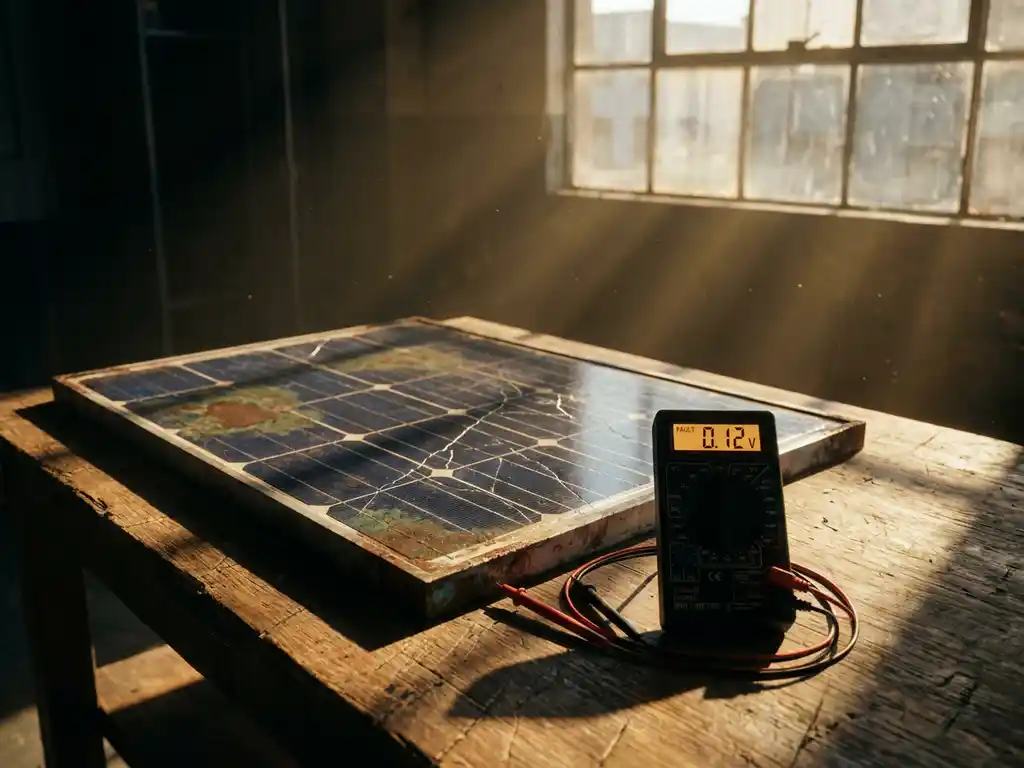
What are the early warning signs of battery failure?
Battery failure in renewable energy storage systems can lead to costly downtime, safety hazards, and project losses. Recognizing early warning signs before complete failure occurs is crucial to maintaining system reliability and protecting your investment. Modern battery monitoring systems and proper maintenance protocols help identify potential issues while they are still manageable, enabling proactive intervention rather than reactive repairs.
Understanding these warning signs becomes even more critical as energy storage systems grow larger and more complex. From thermal management issues to capacity degradation, various factors can signal impending battery problems that require immediate attention.
What are the most common early warning signs of battery failure?
The most common early warning signs of battery failure include unusual temperature fluctuations, reduced capacity, voltage irregularities, physical swelling or damage, and abnormal charging behavior. These indicators often appear weeks or months before complete system failure, providing valuable time for intervention.
Temperature anomalies are among the most critical warning signs. Batteries operating outside their optimal temperature range may exhibit hot spots, uneven heating across cell modules, or cooling systems that fail to maintain proper thermal conditions. Lithium-ion batteries are particularly susceptible to thermal runaway, in which overheating can lead to dangerous situations.
Capacity degradation beyond normal aging patterns signals potential problems. While all batteries naturally lose capacity over time, sudden drops in energy storage capability or an inability to hold a charge for expected durations indicate internal issues. Voltage irregularities, such as cells failing to reach expected voltage levels during charging or showing significant voltage drops under load, also point to deteriorating battery health.
Physical signs include visible swelling of battery cells, corrosion around terminals, unusual odors, or any visible damage to battery housings. These external indicators often reflect serious internal problems that require immediate attention to prevent safety hazards.
How do you monitor battery health in renewable energy systems?
Battery health monitoring in renewable energy systems relies on Battery Management Systems (BMS) that continuously track voltage, current, temperature, and state of charge across individual cells and modules. Advanced monitoring includes capacity testing, impedance measurements, and thermal imaging to detect early degradation patterns.
A properly functioning BMS serves as the primary monitoring tool for lithium-ion batteries, which are the most common type in modern energy storage systems. The BMS monitors each cell’s performance, ensuring that cells operate within safe parameters and identifying cells that deviate from normal behavior patterns.
Regular capacity testing involves controlled charge and discharge cycles to measure actual energy storage against rated capacity. This testing reveals gradual degradation trends and helps predict remaining useful life. Impedance measurements detect changes in internal resistance that indicate aging or damage to battery cells.
Thermal monitoring uses temperature sensors throughout the battery system to identify hot spots or cooling system failures. Some advanced installations employ thermal imaging cameras for comprehensive temperature mapping, which is particularly important for large-scale commercial installations where thermal management is critical for safety and performance.
Data logging systems record performance metrics over time, enabling trend analysis and predictive maintenance scheduling. Modern Energy Management Systems (EMS) integrate this monitoring data with operational parameters to optimize battery usage while extending service life.
What causes batteries to fail prematurely in solar projects?
Premature battery failure in solar projects typically results from extreme temperatures, improper charging cycles, inadequate thermal management, poor installation practices, and incompatible system components. Environmental factors and operational stress beyond design parameters significantly reduce battery lifespan.
Temperature extremes are the leading cause of premature failure. Lithium-ion batteries degrade rapidly when exposed to very high or very low temperatures. Extreme heat accelerates chemical reactions that break down battery materials, while extreme cold reduces capacity and can damage cells during charging. Proper thermal management systems with adequate cooling and heating are essential to maintaining optimal operating conditions.
Charging irregularities place significant stress on battery systems. Deep discharge cycles, overcharging, or rapid charge/discharge rates beyond manufacturer specifications accelerate degradation. Solar installations with poorly configured charge controllers or inadequate system sizing often subject batteries to harmful charging patterns.
Installation quality directly affects battery longevity. Poor ventilation, inadequate protection from environmental elements, improper electrical connections, or insufficient structural support can create conditions that lead to premature failure. Vibration from nearby equipment or thermal cycling caused by inadequate insulation also contributes to early degradation.
System compatibility issues arise when battery specifications do not match the solar installation’s requirements. Mismatched voltage levels, incompatible communication protocols between the BMS and other system components, or inadequate power conversion systems can stress batteries beyond their design limits.
When should you replace batteries in energy storage systems?
Batteries in energy storage systems should be replaced when capacity drops below 70-80% of the original rating, when safety monitoring systems detect thermal runaway risks, or when maintenance costs exceed replacement value. Industry standards typically recommend replacement after 10-15 years for lithium-ion systems, though actual timing depends on usage patterns and environmental conditions.
Capacity thresholds provide the most common replacement criteria. Most commercial energy storage applications become economically unviable when batteries can store only 70-80% of their original capacity. At this point, the system requires more frequent cycling to meet energy demands, increasing wear and reducing overall efficiency.
Safety considerations may necessitate earlier replacement. If monitoring systems detect an increased risk of thermal runaway, cell swelling, or other safety hazards, immediate replacement becomes necessary regardless of remaining capacity. Insurance requirements often mandate replacement when safety systems indicate elevated risk levels.
Economic factors influence replacement timing. When maintenance costs, reduced performance, and increased downtime exceed the cost of new batteries, replacement becomes financially justified. This calculation includes lost revenue from reduced system availability and potential insurance implications.
Different battery chemistries have varying replacement schedules. Lithium iron phosphate (LFP) batteries typically last longer than nickel manganese cobalt (NMC) variants, with some LFP systems operating effectively for 15-20 years under optimal conditions. Lead-acid batteries generally require replacement every 5-10 years, making them less suitable for long-term commercial installations.
How can proper maintenance prevent battery failure?
Proper maintenance prevents battery failure through regular monitoring, thermal management, scheduled capacity testing, preventive cleaning, and firmware updates. Comprehensive maintenance programs can extend battery life by 20-30% while reducing unexpected failures and safety incidents.
Regular monitoring forms the foundation of effective maintenance. Daily checks of BMS data, temperature readings, and voltage levels help identify developing problems before they become critical. Weekly or monthly detailed inspections should include a physical examination of battery modules, connections, and cooling systems.
Thermal management maintenance ensures optimal operating conditions. This includes cleaning air filters, checking coolant levels, verifying fan operation, and ensuring proper ventilation around battery installations. Regular thermal imaging can identify developing hot spots that indicate failing components or inadequate cooling.
Scheduled capacity testing verifies battery performance and identifies degrading cells before they affect overall system operation. These tests should follow manufacturer guidelines and industry standards and are typically conducted quarterly or semi-annually, depending on system size and criticality.
Environmental maintenance protects batteries from external factors. Regular cleaning removes dust and debris that can interfere with cooling systems, while checking seals and weatherproofing prevents moisture intrusion. Pest control measures prevent rodent damage to wiring and insulation.
Software maintenance includes regular firmware updates for BMS and EMS systems, calibration of monitoring sensors, and verification of safety system functionality. These updates often include improved algorithms for battery management and enhanced safety features that support comprehensive risk management strategies.
How Solarif Helps with Battery Failure Prevention
We provide comprehensive risk assessment and insurance solutions specifically designed for energy storage systems, helping protect your investment against battery failure risks. Our specialized approach to renewable energy projects includes:
- Scope 12 inspections to verify proper installation and compliance with safety-system requirements
- Risk management assessments for thermal runaway prevention and mitigation
- Insurance coverage tailored to battery storage system risks and operational requirements
- Quality control inspections during installation to prevent premature failure
- Ongoing support for maintenance protocols that meet insurance requirements
Our expertise in renewable energy insurance means we understand the critical importance of proper battery management and can help you implement the monitoring and maintenance practices that insurers require. Contact our experts today to discuss comprehensive protection for your energy storage investment.
Insurance and inspection needs for your BESS?
Contact us today if you want to know more about the possibilities in BESS insurance and Scope inspections.
📧 Email: support@solarif.com
☎️ Phone: +31 (0)26 711 5050