



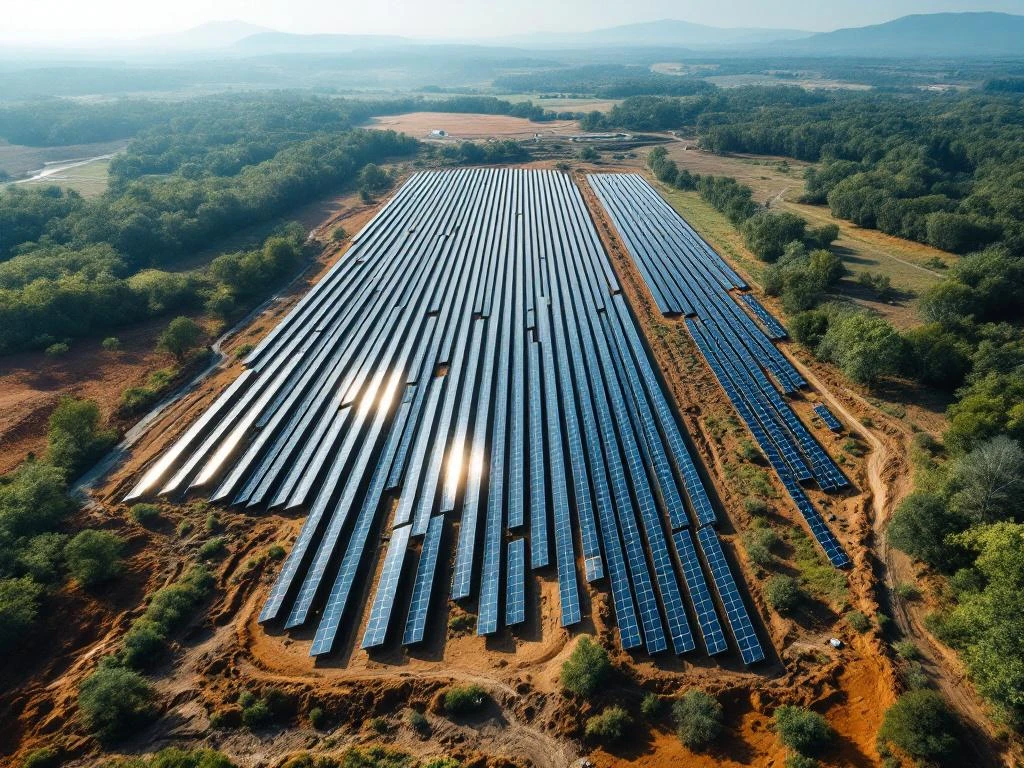
What are the environmental risks of ground-mounted solar?
Ground-mounted solar installations face several environmental risks, including land use changes, soil impacts, vegetation disruption, and wildlife habitat effects. These risks occur during both construction and operational phases, affecting local ecosystems through habitat fragmentation, changes in drainage patterns, and potential contamination. Proper environmental inspections and assessments are important for minimizing these impacts while maintaining project viability.
What are the main environmental risks of ground-mounted solar installations?
Ground-mounted solar installations present land use changes, soil compaction, vegetation removal, and wildlife habitat disruption as their primary environmental concerns. These impacts occur during construction through heavy machinery use and continue during operation through ongoing maintenance activities and altered land management practices.
Land use transformation represents the most visible environmental impact. Converting agricultural land, grasslands, or natural habitats to solar farms permanently alters the local landscape and reduces available space for original land uses. This change affects soil composition, natural water infiltration patterns, and existing plant communities that may have taken years to establish.
Construction activities create temporary but significant environmental disturbances. Heavy equipment compacts soil, reducing its ability to absorb water and support plant growth. Grading and site preparation remove existing vegetation, eliminating established root systems that prevent erosion and provide wildlife habitat.
Long-term operational considerations include altered microclimates beneath solar panels, changed precipitation distribution at ground level due to panel coverage, and modified growing conditions for any vegetation that remains or is replanted. These changes can affect local biodiversity and ecosystem function for the project’s entire operational lifespan.
How do ground-mounted solar farms affect local ecosystems and wildlife?
Solar farms create habitat fragmentation, disrupt migration patterns, and alter breeding grounds for various wildlife species. Birds, pollinators, and ground-dwelling animals face the most significant impacts through reduced habitat connectivity and changed environmental conditions within project boundaries.
Habitat fragmentation occurs when large solar installations divide continuous natural areas into smaller, isolated patches. This fragmentation makes it difficult for wildlife to move between feeding, breeding, and shelter areas. Smaller habitat patches support fewer species and are more vulnerable to environmental pressures.
Bird populations face multiple challenges from solar installations. Large solar arrays can interfere with flight patterns and migration routes. Some bird species may mistake reflective solar panels for water bodies, leading to collision risks. Ground-nesting birds lose suitable nesting sites when vegetation is removed during construction.
Pollinator impacts vary depending on vegetation management practices. Traditional solar farms with minimal vegetation provide little value for bees, butterflies, and other pollinators. However, installations that incorporate pollinator-friendly plants beneath and around panels can actually enhance local pollinator habitat compared to intensive agricultural use.
Mitigation strategies include wildlife corridors that maintain connectivity between habitat areas, pollinator-friendly vegetation management, and seasonal construction timing that avoids critical breeding or migration periods. Some projects successfully combine solar generation with grazing or native plant restoration.
What soil and water risks come with ground-mounted solar projects?
Ground-mounted solar projects pose risks of soil erosion, compaction, altered drainage patterns, and potential contamination from equipment and maintenance activities. Construction-phase impacts often prove more severe than operational risks, though long-term soil health requires ongoing attention.
Soil erosion increases significantly during construction when protective vegetation is removed and soil is disturbed. Without established root systems to hold soil in place, rainfall can carry away topsoil, reducing site fertility and potentially impacting nearby water bodies with sediment runoff.
Heavy construction equipment compacts soil, reducing pore spaces that allow water infiltration and root penetration. Compacted soil increases surface runoff, reduces groundwater recharge, and makes it difficult for plants to establish after construction is completed. Recovery from severe compaction can take several years, even with remediation efforts.
Drainage pattern modifications occur when solar panel rows and access roads alter natural water flow across the landscape. Concentrated runoff from panel surfaces can create erosion channels, while access roads may redirect water flow in unintended directions. These changes can affect both on-site soil stability and downstream water management.
Contamination risks include hydraulic fluid leaks from construction equipment, improper waste disposal during construction, and potential issues with panel materials if fire or extreme weather causes damage. Environmental insurance coverage helps address contamination cleanup costs, including soil remediation from equipment leaks or fire-related particle release.
How can you minimize environmental damage during solar farm development?
Minimizing environmental damage requires careful site selection, phased construction approaches, erosion control measures, and vegetation management strategies implemented throughout project development. Proactive planning prevents many environmental issues more effectively than post-construction remediation.
Site selection criteria should prioritize previously disturbed lands, brownfields, or agricultural areas over pristine natural habitats. Avoiding sensitive ecosystems, wetlands, and critical wildlife corridors reduces environmental conflicts. Slope analysis helps identify areas prone to erosion, while soil surveys inform foundation and access road planning.
Construction best practices include seasonal timing restrictions to avoid wildlife breeding seasons, progressive site clearing that minimizes the duration of exposed soil, and immediate erosion control installation. Limiting construction vehicle access to designated routes prevents unnecessary soil compaction across the entire site.
Erosion control measures encompass temporary solutions during construction and permanent features for long-term protection. Silt fences, sediment ponds, and mulching protect exposed soil during construction. Permanent solutions include establishing vegetation cover, installing drainage structures, and creating buffer zones around sensitive areas.
Vegetation management strategies can enhance environmental outcomes rather than simply minimizing damage. Native plant restoration beneath panels provides wildlife habitat while preventing erosion. Pollinator-friendly seed mixes support local bee populations. Some projects successfully integrate sheep grazing for vegetation management while maintaining agricultural land use.
What environmental assessments are required for ground-mounted solar projects?
Environmental assessments typically include environmental impact studies, wildlife surveys, soil and water assessments, and cultural resource evaluations, depending on project size, location, and local regulations. These studies inform permitting decisions and identify necessary mitigation measures.
Environmental impact assessments evaluate potential effects on air quality, water resources, wildlife, vegetation, and local communities. The scope depends on project size and the sensitivity of the location. Larger projects or those near protected areas require more comprehensive studies, including alternatives analysis and cumulative impact evaluation.
Wildlife surveys document existing species populations, migration patterns, and breeding areas that could be affected by project development. Seasonal surveys may be required to capture different wildlife activity periods. The presence of threatened or endangered species triggers additional protection requirements and mitigation planning.
Soil and water assessments examine erosion potential, drainage patterns, groundwater impacts, and contamination risks. These studies inform construction planning and identify areas requiring special protection measures. Wetland delineation may be necessary if water features are present on or near the project site.
Monitoring obligations often continue throughout project construction and operation. Regular reporting on environmental compliance, wildlife impacts, and the effectiveness of mitigation measures may be required. Some permits include adaptive management requirements, allowing mitigation adjustments based on monitoring results.
Regulatory frameworks vary by location but commonly involve multiple agencies overseeing different environmental aspects. Local planning departments, environmental agencies, and wildlife authorities may all have jurisdiction over various project elements, requiring coordination throughout the permitting process.
How Solarif helps with environmental inspections for solar projects
We provide comprehensive inspection services that help identify environmental risks and compliance issues in your solar projects. Our Risk Management services focus on thorough inspections and specialised insurance solutions designed specifically for renewable energy projects.
Our Risk Management services include:
- Environmental insurance coverage for soil contamination from equipment leaks, battery systems, or fire-related particle release
- Scios Scope 12 inspections that identify potential environmental compliance issues before they become costly problems
- Scios Scope 8 inspections for factory assessments of solar equipment
- Scios Scope 10 inspections for batch quality verification
- Drone inspections for comprehensive site monitoring and environmental assessment
We understand that environmental risks can threaten both project viability and your company’s reputation. Our specialised inspection services help you identify and address potential issues through detailed factory, batch, and site assessments.
Ready to protect your solar project from environmental risks? Contact our inspection specialists today for a comprehensive assessment of your project’s environmental vulnerabilities and insurance needs.
Insurance and inspection needs for your BESS?
Contact us today if you want to know more about the possibilities in BESS insurance and Scope inspections.
📧 Email: support@solarif.com
☎️ Phone: +31 (0)26 711 5050