



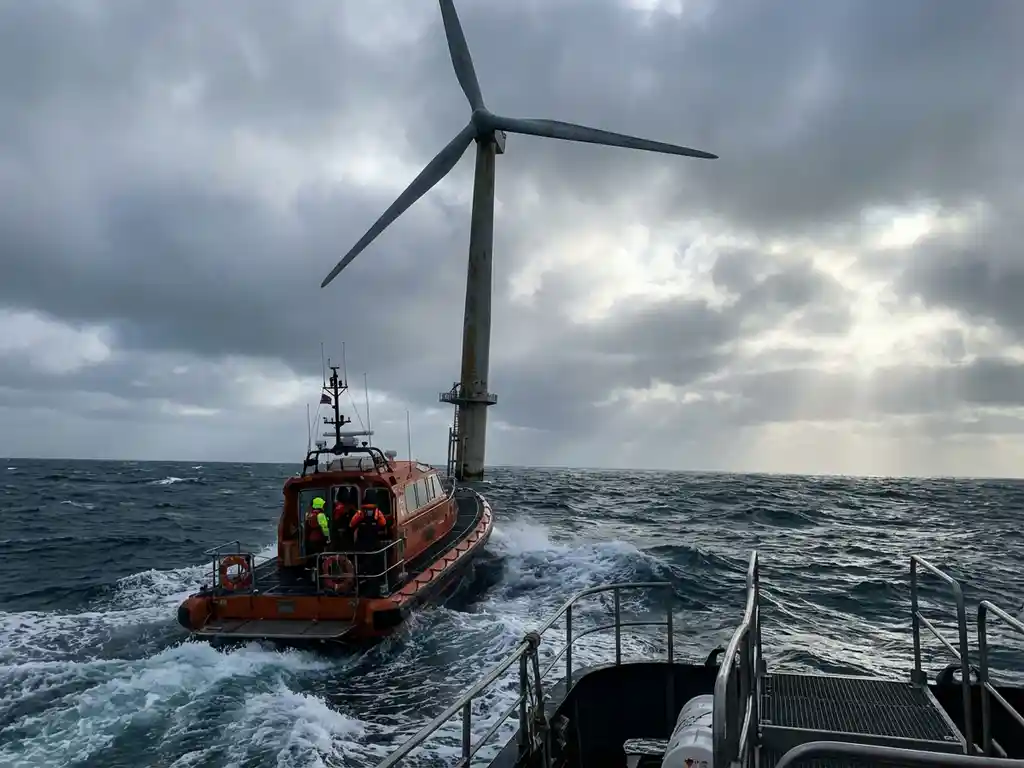
What are the governance challenges in offshore wind projects?
Offshore wind projects represent some of the most complex renewable energy developments in the world, requiring coordination across multiple jurisdictions, stakeholders, and regulatory frameworks. The governance challenges in these massive infrastructure projects can make or break their success, affecting everything from initial permits to long-term operations.
Unlike onshore renewable projects, offshore wind developments face unique governance complexities stemming from maritime law, international waters, and the involvement of multiple government agencies. Understanding these challenges is crucial for investors, developers, and project managers working in the rapidly expanding offshore wind sector.
What are the main governance challenges in offshore wind projects?
The primary governance challenges in offshore wind projects include complex, multi-jurisdictional regulatory approval processes; coordination among numerous government agencies; lengthy permitting timelines that can span five to ten years; and the need to balance the competing interests of various maritime stakeholders, including shipping, fishing, and military operations.
These projects typically require approvals from federal maritime authorities, coastal state agencies, environmental regulators, and grid operators. Each entity has different priorities, timelines, and requirements that must be harmonized. The sheer scale of offshore wind farms, often covering hundreds of square kilometers, means they intersect with multiple regulatory zones and stakeholder territories.
Environmental compliance adds another layer of complexity, as developers must conduct extensive impact studies on marine ecosystems, bird migration patterns, and the effects of underwater noise. The permitting process often involves multiple rounds of environmental review, public consultation periods, and potential legal challenges from environmental groups or competing maritime users.
How do regulatory frameworks impact offshore wind development?
Regulatory frameworks significantly impact offshore wind development through inconsistent policies across jurisdictions, evolving environmental standards, complex grid interconnection requirements, and the absence of standardized international protocols for cross-border projects. These factors can delay projects by years and substantially increase development costs.
Different countries and regions have varying approaches to offshore wind regulation. Some nations have established clear, streamlined processes with dedicated offshore wind agencies, while others require developers to navigate fragmented regulatory landscapes involving dozens of separate approvals. The European Union has made progress toward harmonized standards, but significant variations remain among member states.
Grid connection regulations pose particular challenges, as offshore projects must comply with both maritime and onshore electrical codes. The technical requirements for submarine cables, offshore substations, and grid integration often involve multiple regulatory bodies with different technical standards and safety requirements.
What stakeholder management challenges exist in offshore wind projects?
Stakeholder management challenges in offshore wind projects involve balancing the competing interests of fishing communities, the shipping industry, coastal residents, environmental groups, and military operations, while maintaining transparent communication among diverse groups with conflicting priorities and varying levels of technical understanding.
Fishing communities often represent the most vocal opposition, concerned about access to traditional fishing grounds and potential impacts on fish populations. Developers must negotiate compensation agreements, establish fishing exclusion zones, and sometimes relocate fishing activities to alternative areas. These negotiations can be particularly complex when dealing with multigenerational fishing families and communities whose livelihoods depend on specific maritime areas.
The shipping industry presents another significant challenge, as offshore wind farms can affect established shipping lanes and require vessels to alter routes. Coordination with port authorities, shipping companies, and maritime traffic control systems is essential to prevent conflicts and ensure safe navigation around wind installations.
Military and defense agencies often have concerns about radar interference and restricted access to areas used for training exercises. These stakeholders typically have non-negotiable security requirements that can significantly impact project design and location decisions.
How do financing and investment governance issues affect offshore wind?
Financing and investment governance issues affect offshore wind through complex risk allocation among multiple parties, lengthy return-on-investment timelines that require patient capital, regulatory uncertainty that affects project bankability, and the need for sophisticated financial structures that can accommodate the unique risks of maritime renewable energy projects.
The capital-intensive nature of offshore wind projects, often requiring investments of several billion dollars, means that governance structures must satisfy multiple classes of investors, including development equity, construction debt, and long-term operational financing. Each investor group has different risk tolerances, return expectations, and governance requirements that must be carefully balanced.
Insurance and risk management present particular governance challenges, as offshore projects face unique maritime risks, including severe weather, vessel strikes, and complex logistics for maintenance and repairs. Traditional project finance structures must be adapted to accommodate these risks, often requiring specialized insurance products and risk-sharing agreements among stakeholders.
Revenue certainty through power purchase agreements or government support schemes is crucial for project financing, but these mechanisms often involve complex governance structures with government agencies, utilities, and regulatory bodies. Changes in political priorities or energy policies can significantly impact project economics and investor confidence.
What are the key risk management governance challenges?
Key risk management governance challenges include establishing clear accountability structures for maritime safety incidents, coordinating emergency response across multiple jurisdictions, managing supply chain risks for specialized offshore equipment, and developing comprehensive insurance frameworks that address the unique operational risks of offshore wind installations.
Technical risk management requires coordination among multiple engineering disciplines, from foundation design for varying seabed conditions to electrical systems that must withstand harsh maritime environments. Governance structures must ensure that risk assessments are comprehensive and that responsibility for different risk categories is clearly defined among project partners.
Operational risk management becomes particularly complex once projects are commissioned, as maintenance activities require specialized vessels, weather-dependent access windows, and coordination with maritime traffic control systems. Governance frameworks must address how decisions are made regarding maintenance scheduling, emergency repairs, and operational shutdowns.
Long-term asset management presents governance challenges related to technology upgrades, component replacement strategies, and end-of-life decommissioning planning. These decisions often involve multiple stakeholders with different time horizons and financial interests, requiring robust governance structures to ensure optimal asset management throughout the project lifecycle.
How Solarif helps with renewable energy project governance
While Solarif specializes in solar energy rather than offshore wind, we understand the complex governance challenges that renewable energy projects face across all technologies. Our expertise in risk management, insurance solutions, and stakeholder coordination for renewable energy projects provides valuable insights for managing governance complexities.
Our comprehensive approach to renewable energy project support includes:
- Specialized insurance solutions tailored to renewable energy project risks and stakeholder requirements
- Risk assessment and management services that help identify and mitigate governance-related project risks
- Stakeholder coordination support through our extensive network of industry partners and technical experts
- Regulatory compliance guidance based on our deep understanding of renewable energy regulations and standards
Ready to protect your renewable energy investment with expert governance and risk management support? Contact our renewable energy specialists today to discuss how we can help you navigate the complex governance landscape for your next project.
Insurance and inspection needs for your BESS?
Contact us today if you want to know more about the possibilities in BESS insurance and Scope inspections.
📧 Email: support@solarif.com
☎️ Phone: +31 (0)26 711 5050