



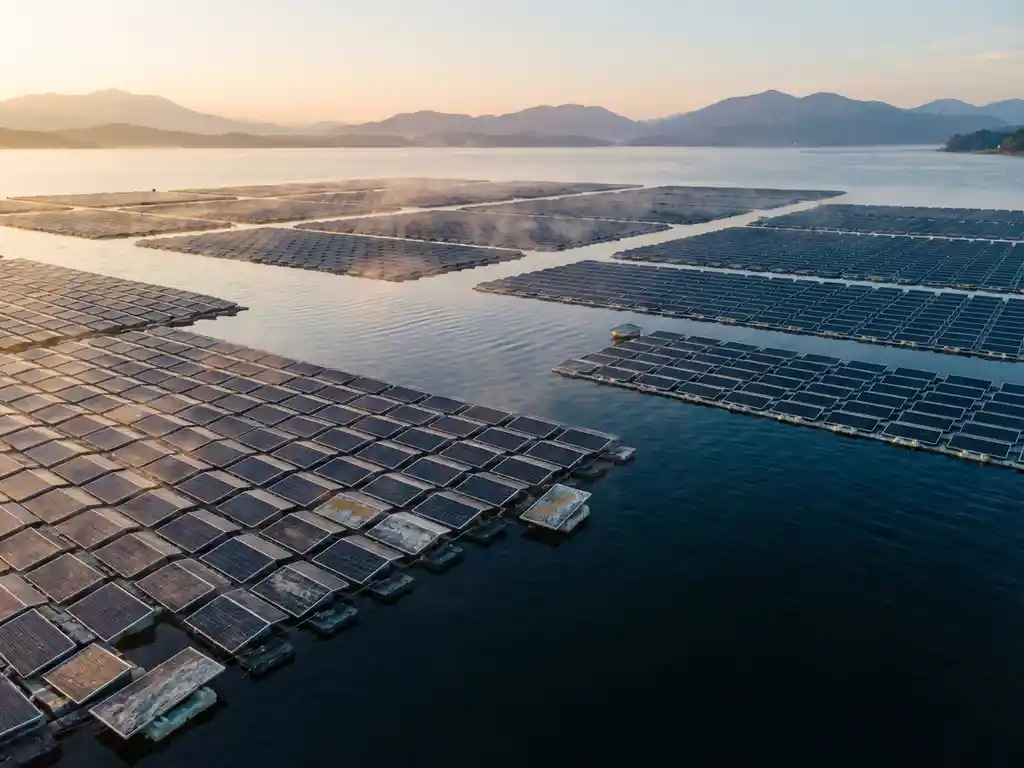
What are the insurance risks for floating solar projects?
Floating solar projects represent one of the most innovative developments in renewable energy, combining photovoltaic technology with water-based installations. These floating solar systems, also known as floating PV or floatovoltaics, present unique insurance challenges that differ significantly from traditional ground-mounted installations. Understanding the specific risks and insurance requirements for floating solar projects is crucial for developers, investors, and project operators navigating this emerging market.
The aquatic environment introduces complex variables that traditional solar insurance policies may not adequately address. From water damage and marine conditions to specialized installation requirements, floating solar insurance demands careful consideration of factors rarely encountered in conventional solar projects.
What Makes Floating Solar Projects Different from Traditional Solar Installations?
Floating solar projects operate on bodies of water using specialized floating platforms and anchoring systems, creating fundamentally different risk profiles compared to ground-mounted installations. The aquatic environment introduces unique challenges, including water exposure, marine conditions, and specialized mounting requirements that traditional solar projects do not face.
Unlike traditional installations that rely on fixed foundations and stable ground conditions, floating solar systems must contend with water-level fluctuations, wave action, and potential submersion risks. The floating platforms require specialized materials resistant to water damage and corrosion, while anchoring systems must withstand varying water levels and weather conditions. These systems also present unique maintenance challenges, as technicians need specialized equipment and training to safely access installations on water.
The electrical systems in floating solar projects require enhanced protection against moisture ingress and must meet marine electrical standards. Additionally, environmental impact considerations differ significantly, as these projects must account for effects on aquatic ecosystems and water quality that ground-mounted systems do not encounter.
What Are the Main Insurance Risks for Floating Solar Systems?
Floating solar systems face five primary insurance risks: water damage and submersion; marine perils, including storms and high waves; specialized equipment risks related to floating platforms and anchoring systems; environmental liability arising from potential impacts on aquatic ecosystems; and increased vulnerability to theft and vandalism due to remote water-based locations.
Water Damage and Submersion Risks
The most obvious risk for floating solar installations is water damage to electrical components and solar panels. While modern floating systems include waterproof enclosures and marine-grade electrical components, constant exposure to moisture creates ongoing risks. Submersion can occur during extreme weather events or due to anchoring system failures, potentially causing a total loss of affected equipment.
Marine and Weather-Related Perils
Floating solar projects face unique weather risks, including high waves, storm surge, and ice formation in colder climates. These conditions can damage floating platforms, displace anchoring systems, or cause panels to collide with one another. The dynamic nature of water surfaces means that weather impacts can be more severe and less predictable than those affecting ground-mounted installations.
Specialized Equipment and Installation Risks
The floating platforms, anchoring systems, and marine-grade electrical components used in these projects are specialized equipment with higher replacement costs and longer lead times. Installation risks are also elevated, as construction activities on water require specialized vessels, equipment, and expertise, increasing the potential for accidents during the construction phase.
How Do Weather and Water Conditions Affect Floating Solar Insurance?
Weather and water conditions significantly affect floating solar insurance through higher premium costs, specific coverage exclusions for extreme weather events, and requirements for enhanced protection systems. Insurers assess local climate data, water-body characteristics, and seasonal weather patterns to determine risk levels and coverage terms.
Wind conditions pose particular challenges for floating solar systems, as high winds can create wave action that stresses anchoring systems and causes platform movement. Ice formation in colder climates can damage floating structures and create additional loads that standard systems may not be designed to handle. Insurers often require detailed meteorological assessments and may exclude coverage for certain weather conditions or seasonal periods.
Water-level fluctuations affect both the physical installation and insurance coverage. Extremely low water levels can expose anchoring systems to damage or cause floating platforms to ground, while high water levels during floods can create additional stresses and submersion risks. Insurance policies must account for these variables, often requiring specific design standards and operational procedures to maintain coverage validity.
What Types of Insurance Coverage Do Floating Solar Projects Need?
Floating solar projects require comprehensive coverage, including marine all-risks insurance for water-related perils, environmental liability coverage to protect aquatic ecosystems, specialized equipment insurance for floating platforms and anchoring systems, and business interruption insurance that accounts for water-specific risks and longer repair times.
Marine All-Risks Coverage
This specialized coverage protects against water-related perils, including submersion, wave damage, and marine casualties. Marine all-risks policies typically cover physical damage to the floating solar installation from weather events, collisions with vessels or debris, and gradual deterioration due to marine conditions.
Environmental Liability Protection
Environmental liability coverage is particularly crucial for floating solar projects due to potential impacts on aquatic ecosystems. This coverage protects against claims related to water quality impacts, effects on marine life, and cleanup costs if the installation causes environmental damage to the water body.
Specialized Equipment Insurance
The unique components of floating solar systems require specialized equipment coverage that accounts for marine-grade materials, floating platforms, and anchoring systems. This coverage should include higher replacement costs and extended lead times for specialized equipment that may not be readily available.
How Much Does Insurance Cost for Floating Solar Projects?
Insurance costs for floating solar projects typically range from 15% to 30% higher than those for traditional ground-mounted installations due to increased risks and specialized coverage requirements. Premium costs vary significantly based on location, water-body characteristics, system size, and the specific risk profile of each project.
Several factors influence floating solar insurance premiums beyond basic project size and value. Water-body characteristics such as depth, size, and exposure to weather conditions significantly affect costs. Projects on large, exposed bodies of water face higher premiums than those on smaller, protected reservoirs. The presence of boat traffic, proximity to shipping channels, and seasonal weather patterns all affect risk assessments and premium calculations.
The availability of experienced installers and maintenance providers in the project location also influences insurance costs. Areas with established marine construction capabilities and floating solar expertise typically see lower premiums than locations where specialized knowledge and equipment must be brought in from distant markets.
What Should Developers Know Before Insuring a Floating Solar Project?
Developers should conduct comprehensive site assessments, including water-depth mapping, weather-pattern analysis, and environmental impact studies, before seeking insurance. Early engagement with specialized insurers, detailed documentation of design standards and safety measures, and a clear understanding of marine regulations are essential for securing appropriate coverage at reasonable costs.
Site selection plays a crucial role in insurance availability and cost. Developers should prioritize locations with favorable characteristics such as protected waters, stable water levels, minimal boat traffic, and access to marine construction expertise. Environmental permits and regulatory approvals should be secured early in the development process, as insurers often require these before providing coverage.
Working with experienced floating solar technology providers and marine contractors helps demonstrate project viability to insurers. Detailed engineering studies, proven anchoring systems, and comprehensive maintenance plans all contribute to favorable insurance terms. Developers should also consider long-term operational requirements and ensure that maintenance access and safety procedures are clearly defined and insurable through proper risk management strategies.
How Solarif Helps with Floating Solar Insurance
As a specialized insurance broker with more than 15 years of experience in renewable energy projects, Solarif understands the unique challenges of floating solar installations. Our expertise in solar project insurance, combined with our international network through Uniba Partners, enables us to secure comprehensive coverage for floating solar projects worldwide.
Our floating solar insurance services include:
- Risk assessment and site evaluation for floating solar projects
- Specialized marine all-risks coverage tailored to aquatic installations
- Environmental liability protection for water-based projects
- Comprehensive project insurance from development through operations
- International coverage solutions through our global partner network
Ready to protect your floating solar investment? Contact our renewable energy insurance specialists today for a comprehensive risk assessment and a customized insurance solution that addresses the unique challenges of water-based solar installations.
Insurance and inspection needs for your BESS?
Contact us today if you want to know more about the possibilities in BESS insurance and Scope inspections.
📧 Email: support@solarif.com
☎️ Phone: +31 (0)26 711 5050