



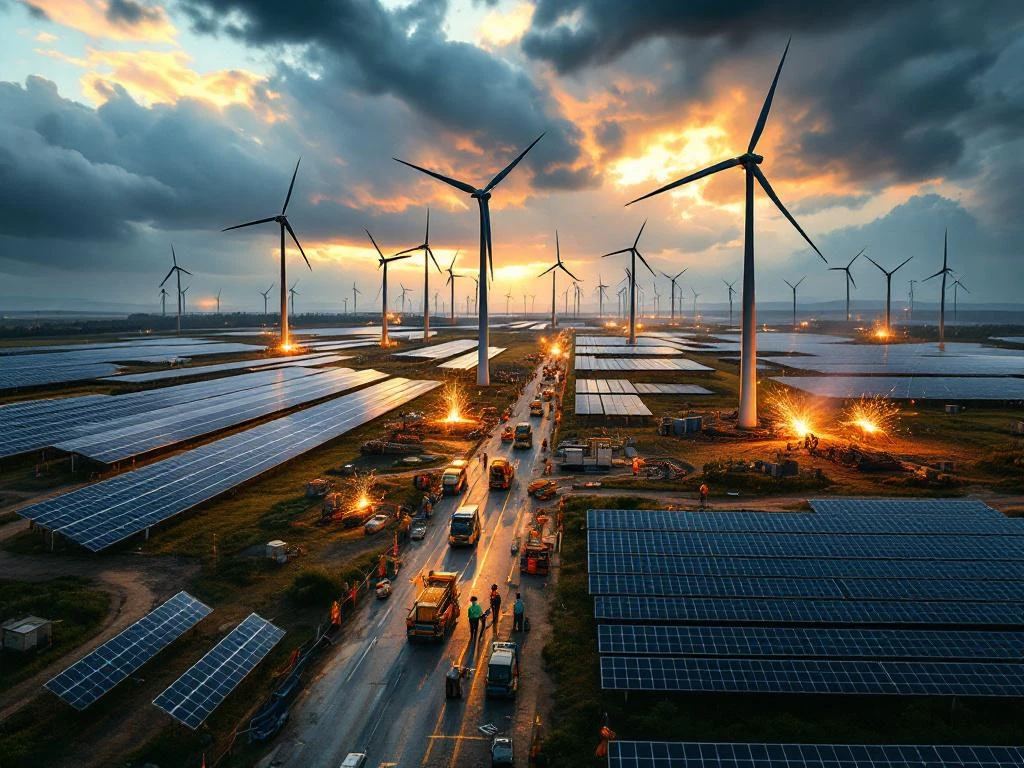
What are the maintenance challenges of hybrid energy parks?
Hybrid energy park maintenance challenges involve coordinating multiple technologies with different operational requirements, specialized expertise needs, and complex grid integration demands. These facilities combine solar panels and battery storage systems, creating unique maintenance complexities that require careful planning and specialized knowledge to manage effectively.
What exactly are hybrid energy parks and why are they becoming so popular?
Hybrid energy parks are facilities that combine solar energy with battery energy storage systems (BESS) at a single location. They maximize land-use efficiency while providing more stable power output than solar-only installations.
These installations are gaining popularity because they address several renewable energy infrastructure limitations. When solar generation drops during cloudy weather or nighttime hours, battery storage systems can discharge stored energy to maintain power delivery. This combination provides grid operators with more predictable energy delivery throughout daily cycles.
The economic benefits drive much of the interest. Hybrid energy parks can share transmission infrastructure and control systems, reducing connection costs compared to separate installations. They also provide better capacity factors—the percentage of maximum possible energy production actually achieved—because battery storage allows solar energy to be delivered when it’s most needed rather than only when it’s generated.
Grid stability improvements make these parks particularly attractive to utilities. The combination of solar generation with storage creates more reliable power delivery, reducing the need for backup fossil fuel plants during periods when solar production is low or unavailable.
What makes maintaining hybrid systems more complex than single-source renewable projects?
Hybrid systems require coordinating maintenance across different technologies with varying operational schedules, safety protocols, and specialized expertise requirements. Each technology—solar and storage—operates on different maintenance cycles and requires distinct technical knowledge.
Solar panels typically need cleaning and electrical inspections every few months, while battery systems need continuous monitoring with different safety protocols than generation equipment. This creates scheduling challenges when systems are interconnected and must work together seamlessly.
The expertise requirements multiply the complexity. Solar maintenance teams understand photovoltaic systems and DC electrical work. Battery system maintenance requires knowledge of electrochemical processes, thermal management systems, and sophisticated control software that manages charging and discharging cycles.
Safety protocols vary significantly between technologies. Solar work involves DC electrical hazards and working at heights. Battery systems present fire and toxic gas hazards that require specialized emergency response procedures and comprehensive inspection services.
Integration points between systems create additional maintenance considerations. Inverters, control systems, and grid connection equipment must work seamlessly across both technologies, requiring maintenance teams to understand how changes to one system affect the other.
How do you coordinate maintenance schedules across different energy technologies?
Coordinating maintenance schedules requires understanding each technology’s operational patterns and planning maintenance windows that minimize overall system downtime while respecting weather dependencies and grid commitments.
Solar maintenance works best during low-irradiance periods—early morning, late afternoon, or overcast days. Battery maintenance can often be scheduled more flexibly but may require temporary shutdown of charging and discharging cycles, which affects the system’s ability to store solar energy or provide grid services.
The key is creating a master maintenance calendar that identifies optimal windows for each technology. This involves:
- Mapping seasonal weather patterns that affect solar production and battery performance
- Identifying periods when battery storage can provide power while solar systems are offline for maintenance
- Scheduling major maintenance during traditionally low-demand periods
- Planning preventive maintenance to avoid emergency shutdowns during peak production times
Grid integration adds another layer of complexity. Maintenance schedules must consider transmission line availability and grid operator requirements. Some maintenance activities require complete disconnection from the grid, which needs advance coordination with system operators.
Communication between maintenance teams becomes vital. When solar inverters need servicing, the battery system may need to adjust its operating mode. Battery system maintenance might affect the overall power output, requiring careful coordination of solar array operations and grid synchronization.
What are the biggest technical challenges when maintaining energy storage systems?
Battery energy storage system maintenance involves thermal management complexities, capacity degradation monitoring, and safety protocols for fire and toxic gas hazards that do not exist with generation-only renewable systems.
Thermal management presents ongoing challenges. Battery systems generate heat during charging and discharging cycles. Cooling systems require regular maintenance, and temperature monitoring is continuous. Hot spots can indicate failing cells or cooling system problems that need immediate attention.
Capacity degradation monitoring requires sophisticated testing equipment and expertise. Unlike solar panels where performance issues are often visible through monitoring systems, battery degradation happens gradually and requires specialized measurement techniques to detect early problems.
Safety protocols for battery maintenance are more complex than for other renewable technologies. Lithium-ion systems can experience thermal runaway—a condition where batteries overheat and potentially catch fire or release toxic gases. Maintenance teams need specialized training and emergency response equipment, along with proper insurance coverage for these unique hazards.
Different battery technologies have varying maintenance needs. Lithium-ion systems require different approaches than flow batteries or compressed air storage systems. Each technology has specific monitoring requirements, replacement schedules, and safety considerations.
Integration with solar generation systems adds complexity. Battery management systems must coordinate with solar inverters and power conditioning equipment. Maintenance activities on storage systems can affect how generation equipment operates, requiring careful coordination between different technical teams.
How do grid integration issues affect hybrid energy park maintenance?
Grid integration requirements create additional maintenance obligations, including power quality monitoring, inverter system upkeep, and compliance with transmission operator standards that affect maintenance scheduling and procedures.
Power quality standards must be maintained continuously. Hybrid parks need to deliver electricity within specific voltage and frequency ranges. This requires regular calibration of inverter systems and monitoring equipment. Maintenance activities that might affect power quality need careful timing and grid operator approval.
Inverter systems become more complex in hybrid installations. These systems must manage power flows from solar panels and battery systems while maintaining grid synchronization. Inverter maintenance requires understanding how both technologies interact electrically and how energy flows between solar generation, battery storage, and grid delivery.
Transmission infrastructure maintenance affects the entire hybrid system. When transmission lines need servicing, the entire park may need to shut down or operate in island mode. This requires coordination between the hybrid park operators and transmission system operators.
Grid stability requirements can override normal maintenance schedules. During periods of high electricity demand or grid instability, maintenance activities may need to be postponed. This creates scheduling pressures and requires flexible maintenance planning.
Regulatory compliance adds documentation and reporting requirements. Grid operators often require detailed maintenance records and advance notification of activities that might affect power delivery. This administrative burden requires coordination across all maintenance teams.
How Solarif helps with hybrid energy park maintenance challenges
We specialize in comprehensive inspection services and insurance solutions for complex renewable energy projects, including hybrid energy parks. Our expertise covers the unique challenges these multi-technology installations present.
Our services for hybrid energy park maintenance challenges include:
- Comprehensive inspection services that evaluate maintenance hazards across solar and storage technologies
- Specialized insurance solutions covering operational hazards during maintenance activities for all system components
- Quality inspection services, including Scope 12 inspections required by insurers for commercial renewable projects
- Maintenance planning support that helps coordinate insurance requirements across different technologies
- Emergency response coverage for maintenance-related incidents involving battery storage systems
With over 15 years of experience in renewable energy insurance and 521 Scope 12 inspections completed, we understand the complexities of maintaining hybrid energy infrastructure. Our international network of A-rated insurers provides coverage solutions specifically designed for multi-technology renewable installations.
Ready to protect your hybrid energy park investment? Contact our renewable energy specialists today to discuss comprehensive maintenance hazard coverage and quality inspection services tailored to your specific project needs.
Insurance and inspection needs for your BESS?
Contact us today if you want to know more about the possibilities in BESS insurance and Scope inspections.
📧 Email: support@solarif.com
☎️ Phone: +31 (0)26 711 5050