


What are the risks of ground-mounted solar farms?
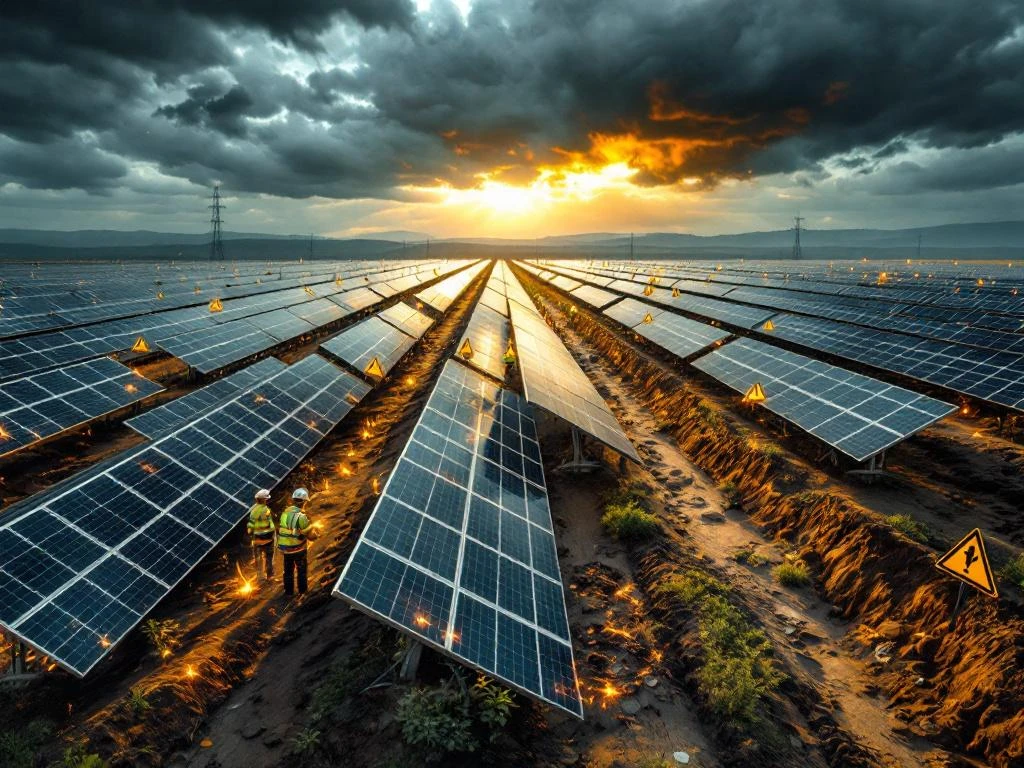
Ground-mounted solar farms face unique risks that differ significantly from rooftop installations. These large-scale installations are exposed to weather extremes, theft, vandalism, technical failures, and regulatory challenges that can impact both equipment and energy production. Understanding these solar panel risks helps project developers, investors, and operators implement appropriate protection strategies to safeguard their renewable energy investments.
What makes ground-mounted solar farms more vulnerable than rooftop systems?
Ground-mounted solar farms are inherently more vulnerable due to their open exposure and accessibility. Unlike rooftop systems that benefit from building protection and natural security barriers, ground-mounted installations face direct exposure to weather elements, wildlife interference, and unauthorized access.
The physical positioning of ground-mounted systems creates several vulnerability factors. Weather events impact these installations more severely because they lack the wind protection that buildings provide to rooftop systems. Heavy rainfall, snow loads, and extreme temperatures affect ground-level installations differently, often creating drainage issues and ground movement that can damage mounting structures.
Accessibility presents another major vulnerability. Ground-mounted systems are easier for thieves to access, particularly in remote locations where security monitoring may be limited. Wildlife interference also poses unique challenges, as animals can damage cables, nest under panels, or interfere with electrical connections in ways that rarely affect rooftop installations.
The scale of ground-mounted installations amplifies these vulnerabilities. A single weather event or security breach can affect hundreds or thousands of panels simultaneously, creating cascading effects that impact overall system performance and financial returns.
What are the biggest weather-related risks for solar farms?
Hail damage represents the most significant weather threat to ground-mounted solar farms. Hailstones can crack or shatter solar panels, creating immediate performance losses and potential safety hazards through exposed electrical components.
Wind loads create both direct and indirect damage risks. High winds can lift panels from mounting systems, damage electrical connections, or cause debris to strike installations. Ground-mounted systems often experience higher wind exposure than rooftop installations due to their open positioning.
Flooding poses particular challenges for ground-mounted installations. Water can damage electrical components, create ground erosion that destabilizes mounting systems, and cause corrosion in metal components. Poor drainage around installations can lead to standing water that affects both equipment and access for maintenance.
Snow accumulation creates multiple risk factors. Heavy snow loads can exceed panel design limits, while uneven melting can create stress concentrations on mounting structures. Ice formation can damage electrical connections and create safety hazards for maintenance personnel.
Extreme temperature fluctuations affect ground-mounted systems differently than rooftop installations. Ground-level systems may experience more severe temperature swings, impacting both panel performance and the expansion–contraction cycles that can loosen connections over time.
How do theft and vandalism affect ground-mounted solar installations?
Copper wire theft represents the most common and costly security threat to ground-mounted solar farms. Thieves target copper grounding wires and electrical cables, often causing damage far exceeding the value of the stolen materials.
Panel removal has become increasingly problematic as solar panel values have risen. Thieves can remove multiple panels quickly from ground-mounted systems, particularly in remote locations where detection time is extended. The theft often involves cutting electrical connections, creating additional repair costs beyond panel replacement.
Inverters are frequently targeted because these components contain valuable metals and are relatively easy to remove from ground-mounted installations. Inverter theft can disable entire sections of a solar farm, creating significant production losses during replacement periods.
Remote location challenges amplify security vulnerabilities. Many ground-mounted solar farms are situated in areas with limited security presence, extended response times for security services, and minimal natural surveillance from nearby activities.
The financial impact extends beyond direct replacement costs. Production losses during repair periods, increased insurance premiums, and the need for enhanced security measures can significantly affect project economics. Some installations require ongoing security services or extensive fencing systems that add to operational costs.
What technical failures commonly occur in solar farms?
Inverter malfunctions account for the majority of technical failures in ground-mounted solar installations. These critical components convert DC power from panels to AC power for grid connection, and their failure can disable entire sections of a solar farm.
Panel degradation occurs through various mechanisms, including micro-cracking, potential-induced degradation, and hot spot formation. Ground-mounted panels may experience different degradation patterns due to their exposure conditions and mounting configurations.
Electrical system failures often involve connection points, combiner boxes, and grounding systems. Ground-mounted installations typically have more complex electrical architectures with longer cable runs, creating additional failure points compared to smaller rooftop systems.
Monitoring system issues can mask other problems, preventing early detection of performance issues or equipment failures. When monitoring systems fail, operators lose visibility into system performance and may not discover problems until they become severe.
The cascading effects of component failures can significantly impact overall system performance. A single inverter failure might affect multiple panel strings, while electrical faults can create safety hazards that require shutting down larger system sections for repairs.
How do regulatory and land use issues impact solar farm operations?
Zoning changes and land use modifications can affect existing solar farm operations and future expansion plans. Local authorities may implement new restrictions or requirements that impact ongoing operations or require costly modifications.
Environmental regulations continue to evolve, particularly regarding wildlife protection, water management, and vegetation control around solar installations. Compliance often requires ongoing monitoring and may restrict maintenance activities during certain periods.
Grid connection requirements can change as utility systems evolve and new interconnection standards are implemented. Solar farms may need equipment upgrades or modifications to maintain grid compatibility, creating unexpected costs and potential downtime.
Permit modifications may be required for system changes, expansion, or equipment replacement. The permitting process can create delays and additional costs, particularly when original permits contain specific equipment or configuration requirements.
Land lease complications can affect long-term project viability. Changes in land ownership, lease terms, or property taxes can impact project economics and may require renegotiation of agreements or operational modifications.
How Solarif helps with ground-mounted solar farm risk management
We provide comprehensive risk management solutions specifically designed for ground-mounted solar installations. Our specialized approach addresses the unique vulnerabilities these systems face through integrated insurance, inspection, and risk assessment services.
Our risk management solutions include:
- Specialized insurance products – Operational All Risks insurance covering weather damage, theft, and technical failures specific to ground-mounted installations
- Quality inspections – SCIOS-certified Scope 12 inspections that insurers require for commercial solar installations, ensuring safety standards and coverage eligibility
- Advanced drone assessments – Thermal and visual inspections that detect damage, efficiency issues, and maintenance needs across large-scale installations
- Ongoing support – Continuous risk monitoring and claims assistance to protect your investment throughout the project lifecycle
As an insurance broker specializing in renewable energy projects, we work with A-rated insurers to secure comprehensive coverage tailored to your specific installation and risk profile. Our expertise in solar farm vulnerabilities ensures you receive protection that addresses both common and unique risks facing ground-mounted installations.
Request a free risk assessment today at Solarif to discover how our specialized solar farm risk management solutions can protect your renewable energy investment.
Insurance and inspection needs for your BESS?
Contact us today if you want to know more about the possibilities in BESS insurance and Scope inspections.
📧 Email: support@solarif.com
☎️ Phone: +31 (0)26 711 5050