



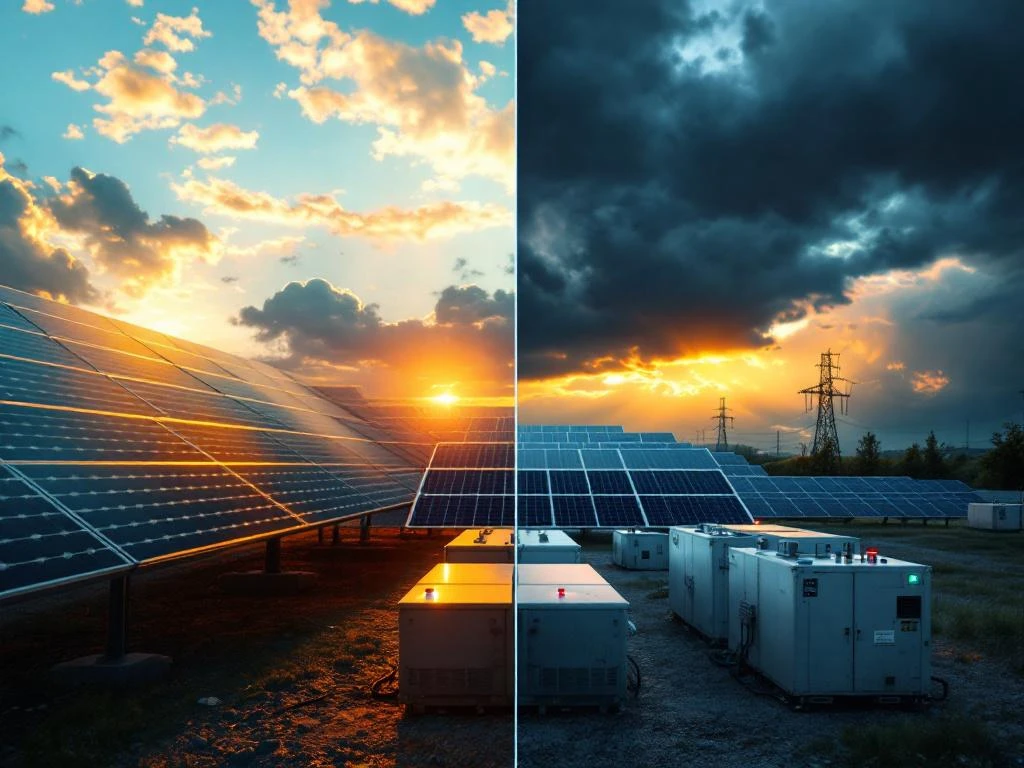
What are the risks of hybrid solar and storage systems?
Hybrid solar and storage systems combine solar panels with battery storage to capture and store energy for later use. While these systems offer greater energy independence and backup power capabilities, they introduce several technical, financial, and safety risks that commercial projects must carefully evaluate. Understanding these risks helps you make informed decisions about system design, insurance coverage, and ongoing maintenance requirements.
What exactly are hybrid solar and storage systems?
Hybrid solar and storage systems integrate solar panels with battery energy storage systems (BESS) to provide both immediate power generation and energy storage capabilities. The solar panels generate electricity during daylight hours, with excess energy stored in batteries for use during peak demand periods or when solar generation is unavailable.
These systems typically include solar panels, power inverters, battery storage units, and sophisticated monitoring systems that manage energy flow between generation, storage, and consumption. The integration allows for optimized energy management and can provide backup power during grid outages, making them increasingly attractive for commercial applications seeking energy security and cost reduction.
Commercial hybrid systems are becoming more popular because they offer greater control over energy costs and can participate in grid services markets. However, the complexity of combining multiple technologies creates additional risk factors that do not exist in standalone solar installations.
What are the main technical risks with hybrid solar storage systems?
Technical risks in hybrid solar storage systems stem from the complex integration of multiple technologies that must work seamlessly together. System integration challenges arise when solar inverters, battery management systems, and monitoring equipment from different manufacturers do not communicate properly, leading to reduced efficiency or complete system failures.
Battery degradation represents a significant concern, as lithium-ion batteries typically lose capacity over time, affecting both storage capability and overall system performance. Inverter compatibility problems can occur when the solar and battery components require different electrical specifications, potentially causing equipment damage or safety hazards.
Equipment failures become more complex in hybrid systems because a problem with one component can affect the entire system. For example, a battery management system failure might prevent the solar panels from operating efficiently, while inverter issues could damage both solar and storage components. These interconnected failures often result in longer downtime and higher repair costs than single-technology systems.
How dangerous are battery fires in solar storage systems?
Battery fires in solar storage systems pose serious safety risks due to thermal runaway, a condition where lithium-ion batteries overheat and can ignite neighboring cells in a chain reaction. These fires burn extremely hot, release toxic gases, and are difficult to extinguish using conventional firefighting methods.
Thermal runaway can be triggered by manufacturing defects, physical damage, overcharging, or exposure to extreme temperatures. Once started, these fires can spread rapidly through battery modules and are particularly dangerous in enclosed spaces or near buildings. Proper installation requirements include adequate spacing from structures, fire detection systems, and emergency response protocols.
Safety measures to prevent battery-related incidents include installing comprehensive fire suppression systems, maintaining proper ventilation, and ensuring battery management systems have multiple safety redundancies. Water can worsen battery fires due to electrical conductivity and the spreading of electrolytes, but is currently the most recommended method for cooling and de-escalation. Many insurers now require specific fire prevention measures before providing coverage for energy storage systems.
What financial risks should you consider with hybrid systems?
Financial risks with hybrid solar storage systems begin with significantly higher upfront costs compared to solar-only installations. Battery storage can double or triple the initial investment, and the complex integration requires specialized installation expertise that commands premium pricing.
Warranty complications arise because hybrid systems involve multiple manufacturers, each with different warranty terms and conditions. When problems occur, determining which component is responsible can delay repairs and create coverage gaps. Insurance coverage gaps represent another major financial risk, as traditional solar insurance policies may not adequately cover battery storage components or the unique risks they present.
System failures or underperformance can have severe financial impacts due to the higher investment levels involved. Battery replacement costs can be substantial, and if the storage system fails, you may lose both the storage investment and the enhanced value proposition that justified the hybrid approach. Performance guarantees become more complex when multiple technologies must work together to meet projected returns.
How do weather conditions affect hybrid solar storage safety?
Extreme weather conditions significantly impact hybrid solar storage system safety, particularly affecting battery performance and longevity. High temperatures accelerate battery degradation and increase thermal runaway risks, while extremely cold conditions can reduce battery capacity and efficiency.
Temperature-related risks are particularly concerning because batteries generate heat during charging and discharging cycles. When combined with high ambient temperatures, this can create dangerous conditions that compromise system integrity. Flooding concerns are especially serious for ground-mounted battery systems, as water ingress can cause electrical faults, corrosion, and immediate safety hazards.
Severe weather events like storms, hail, or high winds can damage both solar and storage components simultaneously, creating complex insurance claims and extended outages. Climate conditions also affect the battery management systems that are responsible for maintaining safe operating parameters, and extreme weather can overwhelm these protective measures.
What maintenance challenges come with hybrid solar systems?
Hybrid solar systems require significantly more complex maintenance than standalone solar installations due to the interaction between multiple sophisticated technologies. Battery systems need regular monitoring of charge cycles, temperature management, and cell balancing, while solar components require their own maintenance schedules.
The need for specialized technicians creates both availability and cost challenges, as fewer professionals are qualified to work on integrated hybrid systems. The importance of monitoring systems becomes critical because early detection of problems can prevent cascading failures that affect multiple system components.
Ongoing maintenance costs are substantially higher than for solar-only systems due to battery replacement schedules, more frequent inspections, and the complexity of troubleshooting integrated systems. Software updates and system optimization require ongoing attention, and the interaction between components means that maintenance scheduling becomes more complex to avoid system downtime.
How Solarif helps with hybrid solar and storage system risks
We provide comprehensive risk management solutions specifically designed for the unique challenges of hybrid solar and storage systems. Our specialized approach addresses the complex insurance and safety requirements that these integrated systems demand.
Our services include:
- Specialized Energy Storage All Risks Insurance covering material damage, theft, fire, mechanical defects, and production loss
- Comprehensive risk assessments that evaluate both solar and battery storage components
- Quality inspection services, including Scope 10 inspections for energy storage systems when required by insurers
- Expert guidance on safety protocols, fire prevention measures, and regulatory compliance
- Tailored insurance solutions that address warranty complications and coverage gaps
- Support throughout the entire project lifecycle, from construction to operation
As an insurance broker specializing in renewable energy projects, we understand the evolving risks of hybrid systems and work with A-rated insurers to provide comprehensive coverage. Our expertise helps you navigate the complex insurance landscape while ensuring your hybrid solar and storage investment is properly protected.
Contact our renewable energy insurance specialists today to discuss your hybrid solar and storage project risks and receive a tailored insurance solution that protects your investment.
Insurance and inspection needs for your BESS?
Contact us today if you want to know more about the possibilities in BESS insurance and Scope inspections.
📧 Email: support@solarif.com
☎️ Phone: +31 (0)26 711 5050