



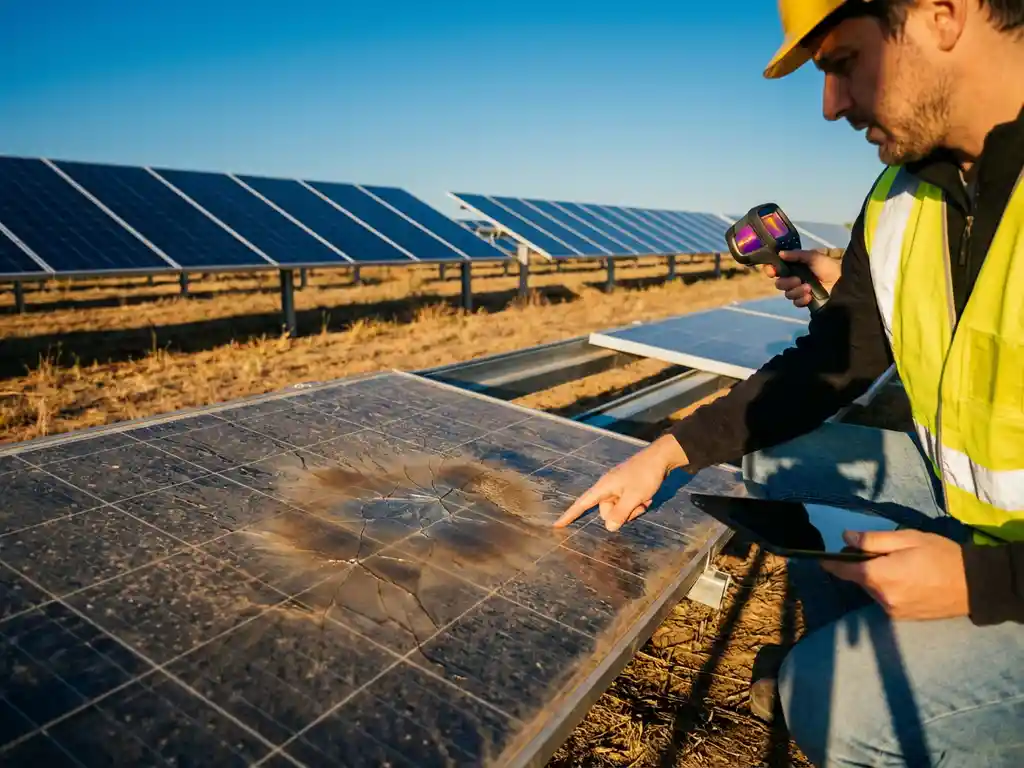
What are the risks of outdated solar technology?
Solar technology evolves rapidly, with new innovations improving efficiency and reliability every few years. However, many commercial solar installations continue to operate with equipment installed a decade or more ago. While solar panels are designed for long-term use, outdated solar technology can create significant risks for project owners, investors, and operators.
Understanding these risks is crucial for making informed decisions about maintenance, upgrades, and insurance coverage. From declining energy production to safety hazards and insurance complications, aging solar systems present challenges that can affect both profitability and project viability.
What qualifies as outdated solar technology?
Outdated solar technology typically refers to equipment installed more than 10–15 years ago or systems using components that no longer meet current industry standards for efficiency, safety, or reliability. This includes older panel technologies with lower conversion rates, aging inverters with outdated control systems, and mounting structures that don’t comply with modern safety requirements.
Several factors determine when solar technology becomes outdated. Panel efficiency plays a major role, as older crystalline silicon panels often operate at 12–15% efficiency compared to modern panels achieving 20–22%. Inverter technology has also advanced significantly, with older string inverters lacking the monitoring capabilities and power-optimization features of current models.
Safety standards represent another critical factor. Older installations may not include rapid shutdown devices, arc-fault protection, or proper grounding systems now required by electrical codes. Additionally, mounting systems from earlier installations might not meet current wind-load requirements or may use materials prone to corrosion.
Component availability also defines technological obsolescence. When manufacturers discontinue support for specific models or replacement parts become scarce, systems effectively become outdated regardless of their operational status.
How does aging solar equipment affect energy production?
Aging solar equipment experiences gradual performance degradation that reduces energy production over time. Most solar panels lose approximately 0.5–0.8% of their efficiency annually, while inverters and other components may degrade faster, particularly in harsh environmental conditions.
Panel degradation occurs through several mechanisms. Potential-induced degradation affects older panels more severely when voltage stress causes power losses. Light-induced degradation, common in early crystalline silicon panels, can reduce output by 1–3% in the first year alone. Physical wear from thermal cycling, UV exposure, and moisture infiltration gradually reduces cell efficiency.
Inverter performance typically declines more rapidly than panel performance. Older inverters may experience capacitor failures, reduced maximum power point tracking accuracy, and increased internal resistance. These issues compound energy losses beyond normal panel degradation.
System-level factors amplify individual component losses. Mismatched components, inadequate monitoring, and accumulated soiling or debris create additional production penalties. Without proper maintenance and monitoring systems, which are common in modern installations, these losses often go undetected until they become substantial.
What safety risks come with old solar installations?
Old solar installations present multiple safety risks, including electrical hazards from aging wiring and connections, structural failures from corroded mounting systems, and fire risks due to outdated arc-fault protection. These hazards increase significantly as installations age beyond their design specifications.
Electrical risks represent the most immediate concern. Older installations often lack proper grounding systems, allowing dangerous voltage buildup during fault conditions. Corroded connections create high-resistance points that generate heat and potential ignition sources. Wire insulation degrades over time, particularly in harsh weather conditions, creating shock and electrocution hazards.
Structural safety issues emerge as mounting hardware corrodes or loosens. Older aluminum rails and fasteners may not withstand current wind-load requirements, creating risks of panel displacement during storms. Foundation attachments can deteriorate, compromising the entire array’s structural integrity.
Fire safety concerns include inadequate rapid shutdown capabilities in older systems. Without proper arc-fault circuit interrupters, electrical arcs can ignite combustible materials. Older inverters may lack thermal protection features, creating overheating risks during peak operating periods.
How do outdated solar systems impact insurance coverage?
Outdated solar systems often face reduced insurance coverage options, higher premiums, or complete coverage denial from insurers. Many insurance providers require modern safety features and current compliance certifications before offering comprehensive coverage for commercial solar installations.
Insurance companies assess solar installations based on current safety standards and risk profiles. Older systems lacking rapid shutdown devices, proper grounding, or arc-fault protection may be deemed too risky for standard coverage. Insurers increasingly require Scope 12 inspections for commercial installations, and outdated systems often fail these assessments.
Coverage limitations affect both property and liability protection. Insurers may exclude coverage for equipment failures in systems using discontinued components or may require higher deductibles for older installations. Performance insurance becomes particularly challenging for aging systems with declining output warranties.
Premium costs typically increase as systems age beyond their optimal operating period. Insurers factor in higher maintenance requirements, increased failure rates, and reduced component availability when calculating risk premiums for outdated installations.
When should you replace your solar panels?
Solar panel replacement becomes necessary when annual energy production drops below 80% of original capacity, safety compliance issues arise, or maintenance costs outweigh the benefits of continued operation. Most commercial installations require evaluation after 15–20 years of operation.
Performance thresholds provide clear replacement indicators. When system output falls below contractual requirements or financial projections, replacement often proves more cost-effective than continued operation. Modern panels can increase energy density by 40–50% compared to installations from the early 2000s.
Safety compliance drives many replacement decisions. Changes in electrical codes, building requirements, or insurance standards may mandate upgrades that make full replacement more economical than retrofitting existing systems.
Financial analysis should compare replacement costs against projected maintenance expenses and lost revenue from declining performance. Include insurance premium differences, as newer systems often qualify for lower rates and better coverage terms.
Component availability also influences timing. When critical components become unavailable or prohibitively expensive, proactive replacement helps prevent extended downtime during unexpected failures.
What are the financial consequences of keeping outdated solar technology?
Keeping outdated solar technology results in declining revenue from reduced energy production, increased maintenance costs, higher insurance premiums, and potential compliance penalties. These cumulative costs often exceed replacement expenses within 5–7 years.
Revenue losses accelerate as systems age. Beyond normal degradation, outdated equipment may experience sudden performance drops due to component failures. Without adequate monitoring systems, these losses can persist undetected for months, significantly impacting project economics.
Maintenance expenses increase exponentially with age. Replacement parts for discontinued equipment become expensive and scarce. Emergency repairs often require specialized contractors familiar with older technologies, commanding premium rates.
Insurance costs rise substantially for aging installations. Higher premiums, increased deductibles, and coverage limitations directly impact operating expenses. Some insurers may eventually refuse coverage entirely, forcing owners into high-risk insurance pools.
Opportunity costs represent hidden financial consequences. Outdated systems occupy valuable roof space or land that could accommodate more efficient modern installations. The difference in energy production between old and new technology represents lost revenue potential.
How Solarif helps with outdated solar technology risks
We specialize in helping commercial solar project owners navigate the complex challenges of aging installations through comprehensive risk management assessment and tailored insurance solutions. With over 15 years of experience in renewable energy insurance and risk management, we understand how outdated solar technology affects both operational performance and insurance coverage.
Our services for managing outdated solar technology risks include:
- Scope 12 inspections through SCIOS-certified inspectors to assess the safety and insurability of aging installations
- Specialized insurance solutions for older solar systems, including coverage options when standard policies aren’t available
- Risk management consulting to evaluate upgrade-versus-replacement decisions
- Performance insurance options to protect against declining output in aging systems
- Matchmaking services to connect project owners with qualified upgrade contractors and financing partners
Whether you’re dealing with declining performance, safety compliance issues, or insurance coverage challenges, our team provides the expertise and industry connections needed to protect your solar investment. Contact our specialists today to discuss how we can help secure comprehensive coverage and risk management solutions for your aging solar installation.
Insurance and inspection needs for your BESS?
Contact us today if you want to know more about the possibilities in BESS insurance and Scope inspections.
📧 Email: support@solarif.com
☎️ Phone: +31 (0)26 711 5050