



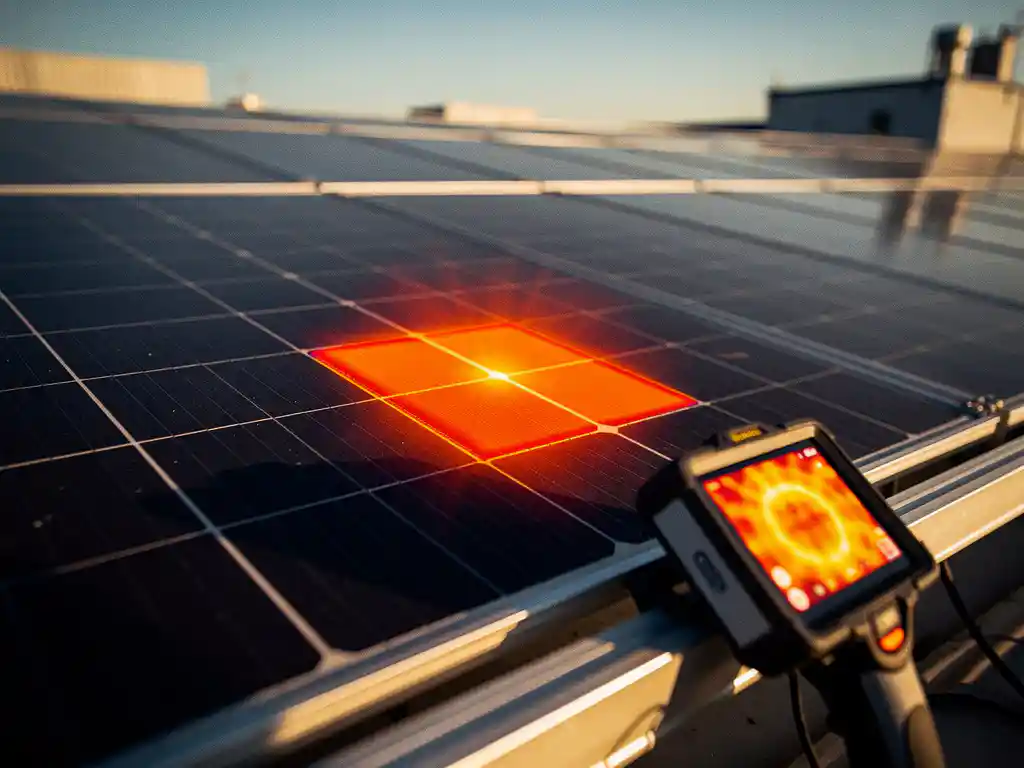
What causes solar hot spots and how to prevent them?
Solar hot spots represent one of the most serious threats to photovoltaic system performance and safety. These localized areas of excessive heat can cause permanent damage to solar panels, reduce energy output, and, in extreme cases, create fire hazards that put entire installations at risk.
Understanding hot spots is crucial for anyone involved in solar project development, operation, or maintenance. Early detection and prevention of these thermal anomalies can save thousands in repair costs while ensuring your solar investment continues to deliver reliable returns throughout its operational life.
What are solar hot spots and why are they dangerous?
Solar hot spots are localized areas of excessive heat that develop on photovoltaic panels when individual solar cells become reverse-biased and begin consuming power instead of generating it. These thermal anomalies typically reach temperatures of 85–100°C (185–212°F) or higher, significantly exceeding normal operating temperatures.
Hot spots pose multiple serious risks to solar installations. The intense heat can cause permanent damage to solar cells, creating brown or dark, discolored areas that permanently reduce the panel’s power output. In severe cases, hot spots can crack or burn through the panel’s backsheet material, potentially exposing electrical components and creating fire hazards.
The financial impact extends beyond individual panel damage. Hot spots can trigger thermal cycling that affects neighboring cells, gradually degrading the entire panel’s performance. This localized heating also stresses solder joints and electrical connections, potentially leading to complete panel failure or dangerous electrical arcing.
From a safety perspective, hot spots represent a significant fire risk, especially when combined with flammable roofing materials or accumulated debris. Insurance providers recognize this risk, which is why many require regular thermal inspections as part of their coverage requirements for commercial solar installations.
What causes hot spots to form in solar panels?
Hot spots form when individual solar cells within a panel become reverse-biased due to shading, damage, or manufacturing defects. When a cell cannot generate current equal to that of other cells in the same string, it begins consuming power from neighboring cells, converting electrical energy into heat.
Partial shading represents the most common cause of hot spot formation. Even small shadows from leaves, bird droppings, dust accumulation, or nearby structures can dramatically reduce a cell’s current output. Since cells in a string must carry the same current, the shaded cell becomes a resistive load, generating excessive heat.
Manufacturing defects also contribute to hot spot development. Microscopic cracks in solar cells, poor solder connections, or contamination during production can create high-resistance areas that convert electrical energy into heat. These defects may not be immediately apparent but can worsen over time due to thermal cycling and mechanical stress.
Physical damage from installation, maintenance activities, or environmental factors can create additional hot spot risks. Cracked cells, damaged bypass diodes, or loose electrical connections all increase electrical resistance and heat generation. Corrosion from moisture infiltration can similarly create high-resistance pathways that lead to localized heating.
How do you detect hot spots in solar installations?
Thermal imaging using infrared cameras provides the most effective method for detecting hot spots in solar installations. Professional thermal inspections can identify temperature differences as small as 2–3°C, revealing hot spots before they cause visible damage to panels.
Professional thermal inspections should be conducted during peak sunlight hours, when panels are under maximum electrical load. Qualified inspectors use calibrated thermal cameras to scan entire installations, documenting temperature variations and identifying cells or modules operating outside normal parameters.
Visual inspection can also reveal signs of hot spot damage, though this typically occurs after thermal damage has already begun. Look for brown or dark discoloration on panel surfaces, warped or bubbled backsheet material, or burn marks around electrical connections. However, visual signs indicate that damage has already occurred, making thermal detection far preferable.
Electrical monitoring systems can provide early warning signs of hot spot development. Sudden drops in individual panel or string performance may indicate developing thermal issues. However, electrical monitoring cannot pinpoint specific problem areas with the precision of thermal imaging.
Regular monitoring becomes especially important for commercial installations, where insurance coverage may depend on demonstrating proper maintenance and risk management. Many insurers now require annual or biannual thermal inspections as part of their coverage conditions.
How can you prevent hot spots from developing?
Hot spot prevention relies on proper system design, quality components, professional installation, and regular maintenance. Installing panels with adequate bypass diodes, maintaining clear sightlines to minimize shading, and using high-quality components significantly reduce hot spot risks.
System design plays a crucial role in prevention. Proper string sizing ensures that current imbalances remain within acceptable limits, while strategic panel placement minimizes shading throughout the day. Installing panels with appropriate bypass diode configurations allows current to flow around problematic cells rather than through them.
Component quality directly impacts hot spot susceptibility. Panels certified to IEC 61215 standards undergo hot spot endurance testing to verify their resistance to thermal damage. Choosing panels from reputable manufacturers with robust quality control processes reduces the likelihood of manufacturing defects that could lead to hot spots.
Regular maintenance prevents many common hot spot triggers. Cleaning panels to remove dirt, debris, and bird droppings maintains uniform light exposure across all cells. Trimming vegetation that could cast shadows and securing loose connections during routine inspections address potential problem areas before they escalate.
Professional installation ensures proper electrical connections and appropriate mounting that minimizes mechanical stress on panels. Qualified installers understand proper torque specifications for electrical connections and follow manufacturer guidelines for panel handling and mounting.
What should you do if you find hot spots in your solar system?
Immediate action is required when hot spots are detected in solar installations. First, document the location and severity of hot spots with thermal imaging or photographs, then isolate affected panels or strings to prevent further damage while arranging for professional repair or replacement.
Safety must be the primary concern when dealing with hot spots. If thermal imaging reveals temperatures exceeding 100°C or visible damage is apparent, immediately shut down the affected circuit and contact qualified solar technicians. Do not attempt repairs on energized systems, as hot spots can indicate dangerous electrical conditions.
Professional assessment determines the appropriate repair strategy. Minor hot spots caused by temporary shading may resolve once the obstruction is removed. However, hot spots caused by cell damage or electrical defects typically require panel replacement to prevent recurrence and ensure system safety.
Insurance considerations become important for commercial installations. Document all hot spot findings and remedial actions taken, as insurers may require proof of proper response to maintain coverage. Some insurance policies specifically exclude damage from hot spots if proper maintenance protocols were not followed.
Preventive measures should be implemented following hot spot discovery. This may include more frequent cleaning schedules, vegetation management, or enhanced monitoring systems to catch future issues earlier. Consider upgrading to panels with improved hot spot resistance if multiple panels show thermal issues.
How Solarif helps with solar hot spot prevention and management
As an insurance broker specializing in renewable energy projects, we understand that effective hot spot prevention is essential for maintaining both system performance and insurance coverage. Our comprehensive approach combines risk assessment, quality inspections, and tailored insurance solutions to protect your solar investment.
Our services include:
- Scope 12 inspections by SCIOS-certified inspectors to identify potential hot spot risks before they cause damage
- Thermal imaging assessments that detect temperature anomalies and document system condition for insurance purposes
- Risk management consulting to develop maintenance protocols that prevent hot spot formation
- Specialized insurance coverage that protects against hot spot damage while rewarding proactive risk management
We work with A-rated insurers who understand that proper hot spot prevention reduces claims and supports long-term project success. Our Solarif-Certified program ensures your panels meet strict quality standards that minimize hot spot susceptibility while providing access to enhanced warranty coverage.
Protect your solar investment with professional risk management. Contact our renewable energy insurance specialists today to discuss comprehensive coverage and inspection services that keep your project operating safely and profitably.
Insurance and inspection needs for your BESS?
Contact us today if you want to know more about the possibilities in BESS insurance and Scope inspections.
📧 Email: support@solarif.com
☎️ Phone: +31 (0)26 711 5050