


What equipment is used for solar panel testing?
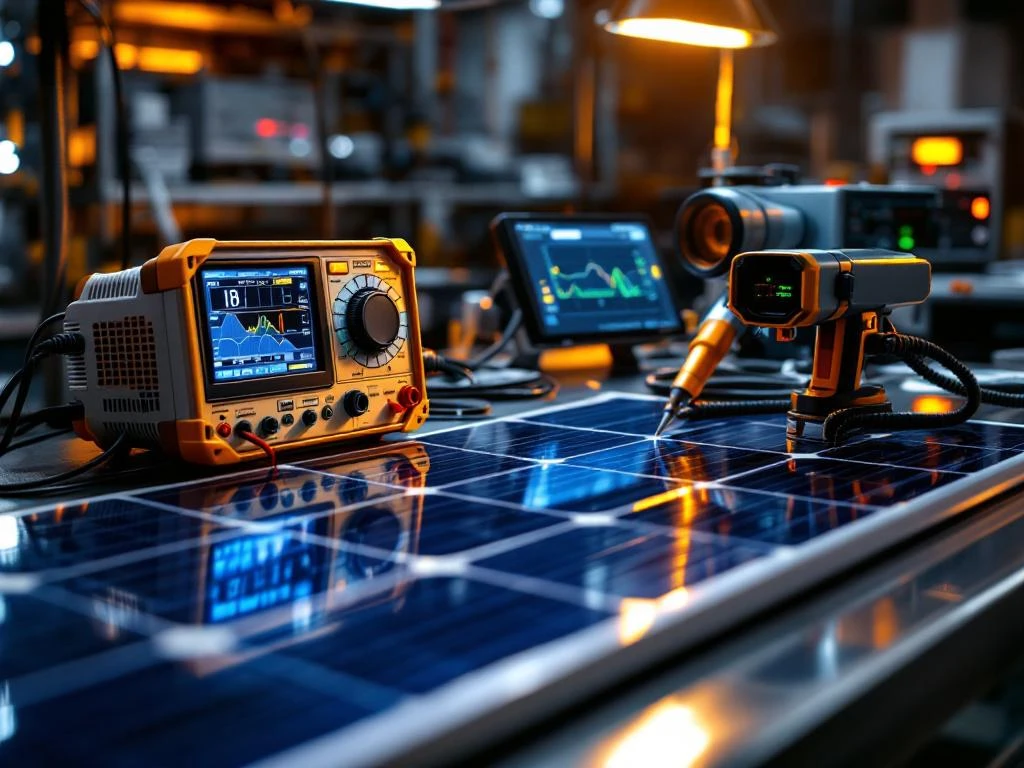
Solar panel testing equipment encompasses various specialized instruments that measure electrical performance, detect defects, and ensure system safety. Basic tools include multimeters for electrical measurements, irradiance meters for light intensity readings, and temperature sensors for environmental monitoring. Advanced equipment features IV curve tracers for comprehensive electrical analysis, thermal imaging cameras for hot-spot detection, and electroluminescence cameras for internal defect identification.
What basic equipment do you need for solar panel testing?
Basic solar panel testing requires three fundamental instruments: a digital multimeter, a solar irradiance meter, and a temperature sensor. These tools provide the foundation for measuring electrical output, environmental conditions, and identifying common performance issues in photovoltaic systems.
A digital multimeter measures voltage, current, and resistance in solar panels. You can check open-circuit voltage (Voc), short-circuit current (Isc), and verify electrical continuity. This helps identify broken connections, damaged cells, or wiring problems that affect system performance.
Solar irradiance meters measure sunlight intensity in watts per square meter. This reading is important for accurate performance calculations, as solar panel output varies directly with available light. Temperature sensors monitor panel operating conditions, which affect electrical characteristics and efficiency ratings.
These basic tools help detect common problems such as underperforming panels, electrical faults, and environmental factors affecting system output. Regular measurements with this equipment provide baseline data for ongoing system monitoring and maintenance planning.
How do IV curve tracers work for solar panel testing?
IV curve tracers measure the complete current-voltage relationship of solar panels by applying variable electrical loads and recording the response. These instruments generate detailed graphs showing electrical characteristics, including maximum power point, open-circuit voltage, and short-circuit current under actual operating conditions.
The tracer connects directly to the solar panel terminals and systematically varies the electrical load from zero to maximum resistance. This process creates a curve showing how current changes with voltage across the panel’s entire operating range. The resulting data reveals performance parameters that simple multimeter readings cannot provide.
Key measurements include maximum power output (Pmax), voltage at maximum power (Vmax), and fill factor calculations. These parameters help identify cell degradation, shading effects, and manufacturing defects that reduce panel efficiency. Comparing results to manufacturer specifications shows whether panels meet rated performance standards.
IV curve analysis also detects bypass diode failures, cell mismatches, and partial shading problems. These issues appear as characteristic curve shapes that experienced technicians can interpret to diagnose specific panel problems and recommend appropriate repairs.
What role does thermal imaging play in solar panel inspections?
Thermal imaging cameras detect temperature variations across solar panel surfaces, revealing hot spots, cell failures, and electrical problems invisible to visual inspection. These infrared cameras show heat patterns that indicate malfunctioning cells, loose connections, and potential fire hazards in photovoltaic installations.
Hot spots appear as bright areas on thermal images where defective cells generate excess heat instead of electricity. These temperature anomalies indicate cracked cells, solder joint failures, or bypass diode problems that reduce system performance and create safety risks.
Thermal inspections work best during peak sunlight hours when panels operate at maximum output. Temperature differences of 10–15 degrees Celsius above surrounding cells typically indicate problems requiring investigation. Consistent hot-spot patterns across multiple panels may suggest installation or design issues.
Professional thermal imaging also detects inverter overheating, combiner box problems, and cable connection failures throughout the solar system. This comprehensive approach identifies maintenance needs before minor issues become major failures affecting system reliability and safety.
Which specialized tools are used for advanced solar testing?
Advanced solar testing employs electroluminescence (EL) cameras, bypass diode testers, and ground-fault detectors for comprehensive system evaluation. These professional-grade instruments provide detailed analysis capabilities beyond basic electrical measurements, revealing internal defects and safety compliance issues.
Electroluminescence cameras capture images of the solar cells’ internal structure by detecting light emission when current flows through the panel. This technique reveals microcracks, cell fractures, and manufacturing defects not visible through other testing methods. EL imaging works in complete darkness, showing cell-level problems that affect long-term reliability.
Bypass diode testers verify the function of protective diodes within solar panels. These components prevent reverse current flow when cells are shaded or damaged. Failed bypass diodes can cause hot spots and reduce system performance, making regular testing important for system safety.
Ground-fault detectors ensure electrical safety by identifying current leakage to earth ground. Solar installations require proper grounding for personnel safety and code compliance. These instruments detect insulation failures and wiring problems that create shock hazards or fire risks.
Additional specialized equipment includes insulation resistance testers, power analyzers, and data loggers for continuous monitoring. These tools support comprehensive quality assurance programs and help maintain optimal system performance over time.
How do you choose the right testing equipment for different solar projects?
Equipment selection depends on project scale, testing objectives, and budget constraints. Large-scale solar installations typically require comprehensive testing suites, including IV curve tracers and thermal imaging, while smaller residential systems may need only basic multimeter and irradiance measurements.
For large-scale solar farms, invest in professional-grade equipment that can handle high voltages and provide detailed documentation. Thermal imaging cameras, EL imaging systems, and automated data logging become cost-effective when testing hundreds or thousands of panels regularly.
Commercial installations benefit from portable IV curve tracers that provide detailed performance analysis without disconnecting panels from the system. These instruments help verify warranty claims, diagnose performance problems, and support maintenance planning for complex installations.
Budget considerations include equipment purchase versus rental costs, training requirements, and calibration needs. Professional testing services may be more economical for occasional inspections, while frequent testing justifies equipment ownership and staff training.
Consider environmental factors such as operating temperature ranges, weather protection, and portability requirements. Field testing equipment must withstand outdoor conditions while maintaining measurement accuracy and reliability throughout the inspection process. Our Risk Management inspection services ensure testing procedures protect both equipment and personnel during field operations.
How Solarif helps with solar panel testing and inspections
We provide comprehensive solar panel testing and quality inspection services using professional-grade equipment and certified expertise. Our team performs detailed evaluations, including visual inspections, IV measurement tests, EL imaging, and thermal analysis, to ensure your solar installations meet performance and safety standards.
Our testing services include:
- Visual inspections detecting scratches, damaged glass, and solder joint flaws
- IV measurement tests evaluating output performance and electrical characteristics
- EL imaging analysis identifying cell cracks, microcracks, and structural defects
- Scios Scope 12 inspections ensuring safety compliance for commercial installations
- Drone inspections providing thermal and visual analysis for large-scale projects
As SCIOS-certified inspectors, we deliver independent, expert evaluations that support insurance requirements and quality assurance programs. Our comprehensive approach protects your investment and ensures long-term system performance.
Plan a professional solar inspection to verify your system’s performance and safety compliance with our certified testing expertise.
Insurance and inspection needs for your BESS?
Contact us today if you want to know more about the possibilities in BESS insurance and Scope inspections.
📧 Email: support@solarif.com
☎️ Phone: +31 (0)26 711 5050