


What fire risks exist with solar installations?
Solar installations represent one of the safest forms of electrical power generation, but like any electrical system, they carry inherent fire risks that require proper understanding and management. These risks primarily stem from electrical faults, poor installation practices, and inadequate maintenance rather than from solar technology itself.
For commercial solar project developers, investors, and facility owners, understanding these fire risks is essential for effective risk management and insurance planning. While solar panel fires remain relatively rare, the potential consequences make comprehensive risk assessment and prevention strategies crucial components of any solar project.
What causes fires in solar panel installations?
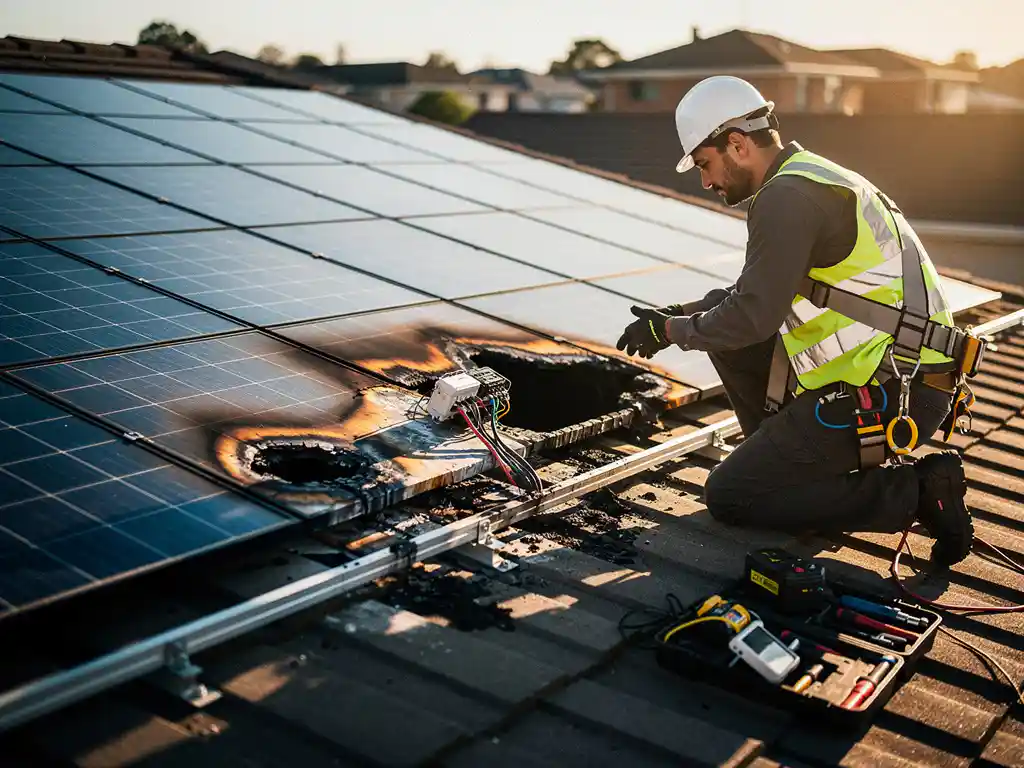
Solar panel fires typically result from electrical faults in the DC wiring system, faulty connections, or defective components rather than from the panels themselves. The most common causes include loose electrical connections that create arc faults, damaged wiring due to rodent activity or weather exposure, and manufacturing defects in inverters or combiner boxes.
Arc faults represent the primary fire hazard in solar installations. These occur when electrical current jumps across a gap in damaged wiring or loose connections, generating intense heat that can ignite nearby materials. Poor installation practices, such as inadequate wire management or the use of incompatible components, significantly increase arc-fault risk.
Other contributing factors include inadequate grounding systems, moisture ingress into electrical components, and thermal stress on connections due to temperature fluctuations. Manufacturing defects in DC optimizers, microinverters, or junction boxes can also create fire hazards, particularly in systems lacking proper arc-fault circuit interrupters.
How common are solar panel fires compared to other electrical fires?
Solar panel fires occur at a rate significantly lower than traditional electrical fires, with industry research suggesting that fewer than 1 in 10,000 installations experience fire incidents. This makes solar installations statistically safer than many conventional electrical systems found in commercial and industrial facilities.
The low frequency of solar fires reflects improved manufacturing standards, better installation practices, and enhanced safety requirements implemented over the past decade. Modern solar installations include arc-fault circuit interrupters and rapid shutdown devices that significantly reduce fire risks compared to older systems.
However, the consequences of solar fires can be substantial due to their typical rooftop locations, which may delay detection and complicate firefighting efforts. Commercial properties face particular challenges, as solar fires can compromise entire buildings and disrupt business operations for extended periods.
What are the warning signs of potential fire hazards in solar systems?
Key warning signs include visible damage to wiring or components, burnt odors near the solar installation, unusual sounds such as crackling or buzzing from electrical equipment, and performance drops that cannot be explained by weather conditions. These indicators suggest developing electrical problems that could lead to fire hazards.
A physical inspection should reveal any signs of overheating, such as discolored or melted components, loose connections, or damaged cable insulation. Monitoring systems may show irregular power output patterns, frequent inverter shutdowns, or ground-fault indicators that suggest electrical integrity issues.
Environmental factors can also provide warning signs, including evidence of rodent activity near wiring, water damage to electrical enclosures, or debris accumulation that could create fire hazards. Regular visual inspections help identify these conditions before they escalate into serious safety risks.
How can proper installation prevent solar fire risks?
Proper installation prevents solar fire risks through adherence to electrical codes, the use of quality components, and the implementation of comprehensive safety systems, including arc-fault circuit interrupters and rapid shutdown devices. Professional installation by certified technicians ensures compliance with safety standards and reduces human error.
Critical installation practices include proper wire management with appropriate spacing and protection, secure electrical connections using manufacturer-approved methods, and the installation of grounding systems that meet or exceed code requirements. Quality components from reputable manufacturers provide better reliability and safety performance than low-cost alternatives.
Safety system integration represents another crucial element, with modern installations requiring arc-fault detection, rapid shutdown capability, and proper labeling for emergency responders. These systems automatically detect and respond to electrical faults before they can develop into fire hazards.
What maintenance practices reduce fire risks in solar installations?
Regular maintenance practices that reduce fire risks include annual electrical inspections, cleaning components to prevent debris accumulation, and monitoring system performance for signs of electrical problems. Preventive maintenance identifies and addresses potential issues before they create safety hazards.
Electrical system maintenance should focus on connection integrity, with periodic tightening of terminals and inspection of wiring for damage or deterioration. Inverter maintenance includes cleaning air filters, checking ventilation systems, and verifying the proper operation of safety devices.
Environmental maintenance involves removing debris that could create fire hazards, trimming vegetation that might contact electrical components, and implementing pest-control measures to prevent rodent damage to wiring. Documentation of maintenance activities provides valuable records for insurance and safety compliance purposes.
How do insurance companies assess fire risks for solar projects?
Insurance companies assess solar fire risks by evaluating installation quality, component specifications, maintenance programs, and safety system implementation. They typically require professional inspections and documentation demonstrating compliance with safety standards and industry best practices.
Risk assessment factors include the installer’s certification and track record, component quality and certifications, the presence of safety devices such as arc-fault circuit interrupters, and the implementation of proper maintenance programs. Insurance companies may also consider the building’s fire protection systems and emergency response capabilities.
Many insurers require Scope 12 inspections for commercial solar installations to verify safety and quality standards. While not legally mandatory, these inspections provide insurers with confidence in the installation’s safety and help determine appropriate coverage terms and premiums.
What should you do if you suspect a fire risk in your solar system?
If you suspect a fire risk in your solar system, immediately shut down the system using the rapid shutdown switch, contact a qualified solar technician for an inspection, and notify your insurance provider of the potential safety concern. Do not attempt to inspect or repair electrical components yourself.
Emergency response should include disconnecting the system at the main breaker if it is safely accessible, evacuating the area if you detect smoke or burning odors, and contacting emergency services if there are signs of an active fire. Document the situation with photographs for insurance purposes while maintaining a safe distance from electrical equipment.
A professional assessment by certified technicians can identify the specific cause of the suspected fire risk and recommend appropriate corrective actions. Notifying your insurer ensures proper documentation and may provide access to preferred contractors for repairs or system upgrades.
How Solarif helps with solar fire risk management
We provide comprehensive risk management solutions specifically designed for commercial solar installations, helping project developers, investors, and facility owners protect their investments against fire and other operational risks. Our specialized approach combines insurance expertise with a deep understanding of solar-technology risks.
Our services include:
- Scope 12 inspections by SCIOS-certified inspectors to verify installation safety and quality standards
- Customized insurance solutions covering fire damage, business interruption, and liability risks
- Risk assessment and mitigation recommendations based on more than 15 years of solar industry experience
- Claims support and expert guidance throughout the insurance process
With more than 3.8 GW of solar capacity insured and 521 Scope 12 inspections completed, we understand the specific fire risks facing commercial solar projects and provide tailored protection strategies. Contact our solar insurance specialists today to discuss comprehensive risk management for your solar installation and ensure your investment receives the protection it deserves.
Insurance and inspection needs for your BESS?
Contact us today if you want to know more about the possibilities in BESS insurance and Scope inspections.
📧 Email: support@solarif.com
☎️ Phone: +31 (0)26 711 5050