


What happens if solar panels are not inspected?
When solar panels aren’t inspected, you face serious risks, including safety hazards, performance issues, and financial losses. Uninspected systems often develop electrical problems, structural defects, and component failures that reduce energy production and can void warranties. Poor installation quality leads to fire risks, insurance coverage denial, and costly repairs that far exceed initial inspection costs.
What happens when solar panels aren’t properly inspected?
Uninspected solar panels create a cascade of problems that affect safety, performance, and profitability. Without proper quality checks, installations often develop electrical faults, mounting issues, and component defects that compromise the entire system’s integrity.
The immediate consequences include reduced energy production due to poor connections, incorrect wiring, or damaged components. These issues often go unnoticed until they cause significant problems or complete system failures.
Long-term effects are even more concerning. Uninspected installations frequently experience premature component failure, structural problems that can damage buildings, and safety hazards that put property and people at risk. Insurance companies often refuse coverage for systems without proper inspections, leaving owners financially vulnerable to damages and losses.
The financial implications extend beyond repair costs. Poor installation quality reduces system lifespan, decreases return on investment, and can void manufacturer warranties. What seems like cost savings by skipping inspections typically results in expenses that far exceed the original inspection fees.
Why do so many solar installations skip quality inspections?
Many commercial solar projects skip inspections due to cost pressures, tight schedules, and lack of awareness about potential installation issues. Project developers often view inspections as optional expenses rather than investment protection measures.
Time constraints play a significant role in this decision. Construction schedules are often aggressive, and adding inspection time can delay project completion and revenue generation. This short-term thinking overlooks the substantial issues that can arise from proceeding without quality verification.
Cost considerations also influence these decisions. Inspection fees represent an additional upfront expense when budgets are already stretched. However, this perspective fails to account for the much higher costs of addressing problems after installation completion.
Regulatory gaps contribute to the problem as well. While Scope 12 inspections are required by insurers for commercial installations, they’re not legally mandatory in many jurisdictions. This creates confusion about inspection requirements and allows some projects to proceed without proper quality checks.
Lack of awareness about the benefits of inspections also plays a role. Many project stakeholders don’t fully understand how inspections protect their investments and ensure long-term system performance.
What are the most common defects found in uninspected solar systems?
Uninspected solar systems typically suffer from electrical connection problems, mounting defects, and component damage that compromise safety and performance. These issues often stem from rushed installations or inadequate quality control during construction.
Electrical problems are among the most frequent defects. Poor connections, incorrect wiring, and inadequate grounding create safety hazards and reduce system efficiency. These issues can lead to arc faults, which are a leading cause of solar-related fires.
Mounting system defects present serious structural concerns. Improperly secured panels can become loose during weather events, potentially causing property damage or injury. Inadequate waterproofing around mounting points often leads to roof leaks and building damage.
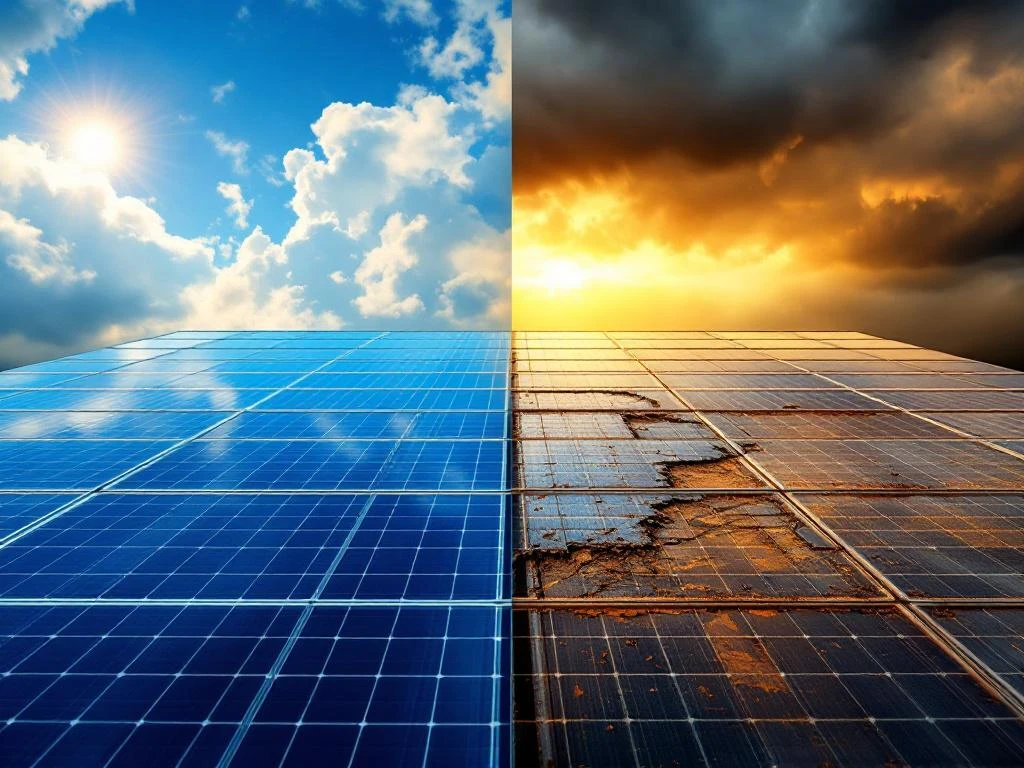
Panel damage frequently goes undetected without proper inspection. Microcracks, hot spots, and manufacturing defects reduce energy production and can worsen over time. These issues are often invisible to the naked eye but significantly impact system performance.
System configuration errors are also common in uninspected installations. Incorrect inverter sizing, poor string design, and inadequate system monitoring can substantially reduce energy production and complicate maintenance activities.
How do uninspected solar panels affect your investment returns?
Uninspected solar panels typically reduce investment returns by 10–30% through decreased energy production, unexpected repair costs, and shortened system lifespan. These financial impacts compound over the system’s operational life, significantly affecting project profitability.
Reduced energy production is the most immediate financial impact. Poor installation quality, component defects, and system configuration errors directly decrease the electricity generated. Lower energy output means reduced revenue from power sales or savings on electricity bills.
Unexpected repair costs create additional financial burdens. Problems that could have been prevented through proper inspection often require expensive emergency repairs. These unplanned expenses disrupt cash flows and reduce overall project returns.
Warranty voidance represents another significant financial concern. Many manufacturers require proper installation procedures and quality verification to maintain warranty coverage. Without documentation from qualified inspections, warranty claims may be denied, leaving owners responsible for replacement costs.
Insurance complications further impact returns. Many insurers require Scope 12 inspections for commercial solar installations before providing coverage. Without proper inspections, obtaining insurance becomes difficult or impossible, leaving investments unprotected against various issues.
System lifespan reduction affects long-term returns. Poor installation quality often leads to premature component failure and earlier system replacement needs. This shortened operational life reduces the total return on investment over the project’s intended lifespan.
What safety risks come with uninspected solar installations?
Uninspected solar installations pose fire hazards, electrical dangers, and structural concerns that can endanger property and occupants. These safety issues make proper inspection vital for protecting both investments and people.
Fire hazards represent the most serious safety concern. Poor electrical connections, damaged components, and inadequate grounding can cause arc faults that ignite fires. Solar-related fires often spread quickly and can cause extensive property damage or loss of life.
Electrical hazards create ongoing dangers for maintenance workers and building occupants. Improper wiring, inadequate isolation, and poor grounding increase the potential for electrical shock or electrocution during system maintenance or emergency situations.
Structural problems from poor mounting can lead to panel failures during weather events. Loose or improperly secured panels may fall, causing injury to people below or damage to property. Inadequate roof attachments can also compromise a building’s structural integrity.
Water infiltration through poorly sealed mounting points creates additional hazards. Roof leaks can cause electrical problems and structural damage, and create conditions for mould growth that affects indoor air quality and occupant health.
Emergency response complications also arise from uninspected systems. Firefighters and other emergency personnel face increased challenges when dealing with improperly installed solar systems that may not shut down correctly during emergencies.
How Solarif helps with solar panel inspection and quality assurance
We provide comprehensive solar panel inspection services that protect your renewable energy investments from the issues associated with uninspected installations. Our approach combines thorough quality checks with targeted inspection services to ensure your solar projects meet the highest industry standards.
Our inspection services include:
- Scope 12 inspections required by insurers for commercial solar installations
- Scope 8 inspections for quality verification during installation phases
- Scope 10 inspections for comprehensive system assessments
- Factory inspections to verify manufacturer quality standards and capabilities
- Batch inspections during manufacturing to prevent defective components from reaching your project
- Drone inspections for efficient large-scale system monitoring
- Comprehensive reporting that documents system safety and performance standards
We work with CQI IRCA-accredited auditors who have extensive experience in solar panel manufacturing and installation. This expertise ensures thorough evaluations that identify potential problems before they become costly issues.
Our inspection services also enhance your project’s bankability by providing the documentation insurers require for coverage. This protection helps secure financing and provides peace of mind throughout your system’s operational life.
Protect your solar investment with professional inspection services. Contact Solarif today to discuss how our quality assurance programmes can safeguard your renewable energy projects and ensure optimal long-term performance.
Insurance and inspection needs for your BESS?
Contact us today if you want to know more about the possibilities in BESS insurance and Scope inspections.
📧 Email: support@solarif.com
☎️ Phone: +31 (0)26 711 5050