



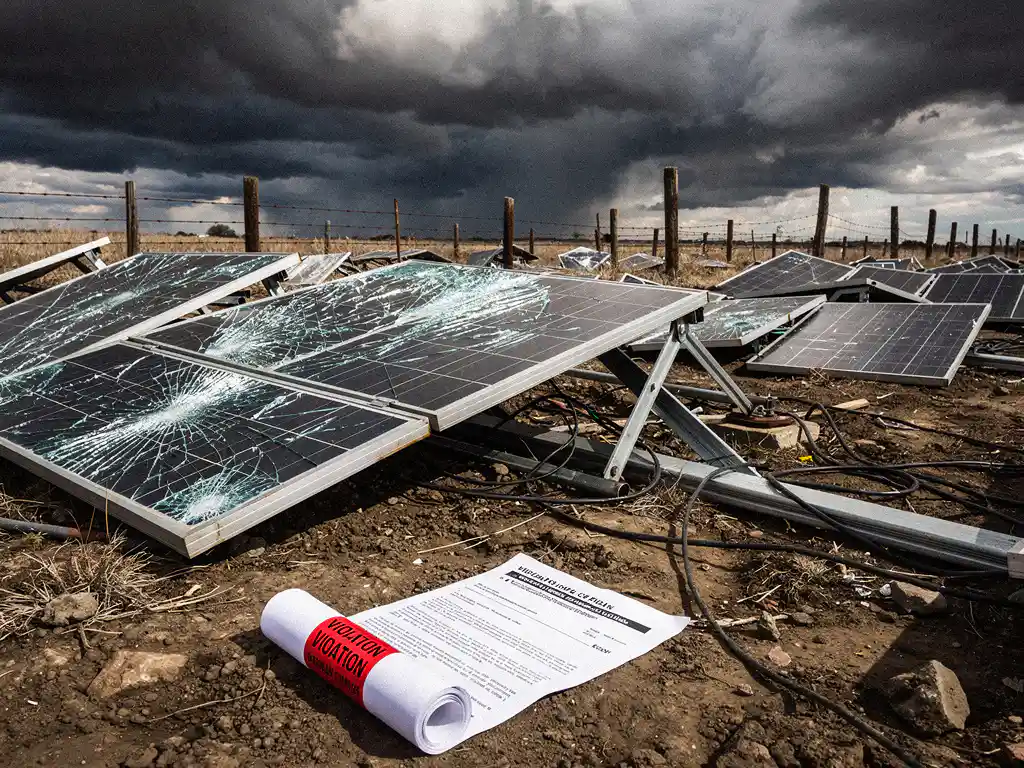
What happens when renewable energy projects violate land use agreements?
Land use agreements form the legal foundation for renewable energy projects, establishing the rights and responsibilities of property owners and project developers. These contracts define how land may be used, what activities are permitted, and what restrictions apply throughout the project lifecycle. When renewable energy projects violate these agreements, the consequences can be severe, ranging from financial penalties to complete project termination.
Understanding land use compliance is crucial for developers, investors, and other stakeholders in the renewable energy sector. Violations can trigger legal disputes, insurance complications, and financing issues that threaten project viability. Early identification and prevention of potential violations protect all parties involved and ensure projects can operate successfully within their agreed parameters.
What are land use agreements in renewable energy projects?
Land use agreements in renewable energy projects are legally binding contracts that establish the terms for using property to develop, construct, and operate solar installations or energy storage systems. These agreements typically include leases, easements, or purchase agreements that grant developers specific rights to use land for energy generation.
The agreements contain detailed provisions covering permitted activities, project specifications, environmental protections, and operational requirements. Common elements include the project footprint, access rights, construction timelines, maintenance responsibilities, and restoration obligations. They also specify compensation structures, contract duration, and conditions for renewal or termination.
Land use agreements serve multiple stakeholders by providing legal certainty for property owners while securing necessary rights for developers. They establish clear boundaries for project activities and help prevent disputes during construction and operation. These contracts are essential for securing financing and insurance coverage, as lenders and insurers require documented proof of land rights before committing to projects.
What constitutes a violation of land use agreements?
Land use agreement violations occur when renewable energy projects exceed the scope of permitted activities, fail to meet contractual obligations, or breach specific terms outlined in their agreements. Common violations include unauthorized expansion beyond agreed boundaries, failure to maintain required setbacks from property lines or structures, and noncompliance with environmental protection measures.
Specific violations often involve construction activities that exceed permitted areas, installation of equipment not specified in the original agreement, or failure to follow agreed-upon construction timelines. Environmental violations may include inadequate erosion control, improper handling of hazardous materials, or damage to protected habitats or water resources.
Operational violations can include excessive noise levels, inadequate maintenance leading to safety hazards, or failure to maintain required insurance coverage. Some agreements specify maximum project capacity or technology types, making unauthorized upgrades or modifications potential violations. Failure to pay agreed-upon lease payments or taxes also constitutes a breach of contract.
What are the immediate consequences when projects violate land use terms?
Immediate consequences of land use violations typically include cease-and-desist orders, requiring projects to halt all activities until violations are resolved. Property owners or regulatory authorities may issue formal notices demanding immediate corrective action, often with strict deadlines for compliance.
Financial penalties represent another immediate impact, with many agreements specifying monetary damages for specific violations. These penalties can accrue daily until violations are corrected, creating mounting financial pressure on project operators. Some violations may trigger acceleration clauses, making the entire remaining lease obligation immediately due rather than payable over the contract term.
Legal proceedings often commence quickly, as property owners seek injunctive relief to stop ongoing violations. These legal actions can result in temporary restraining orders that prevent project operations while disputes are resolved. Immediate reputational damage can also affect relationships with other landowners, potentially impacting future project development opportunities.
How do land use violations affect project financing and insurance?
Land use violations can trigger immediate financing complications, as most loan agreements contain covenants requiring compliance with all material contracts, including land use agreements. Lenders may declare a default, accelerate loan repayment, or freeze additional funding disbursements when violations occur.
Insurance coverage becomes problematic when projects operate outside their permitted scope. Insurance policies typically exclude coverage for activities not authorized under land use agreements, leaving projects exposed to significant liability risks. Insurers may also cancel policies or refuse to renew coverage for projects with ongoing compliance issues.
Credit ratings and future financing opportunities can suffer when violations become a matter of public record through legal proceedings. Financial institutions view land use violations as indicators of poor project management and increased risk, potentially affecting terms for future projects. The combination of immediate financial pressure and reduced access to capital can threaten project viability and investor returns.
Can renewable energy projects be terminated for land use violations?
Yes, renewable energy projects can face termination for serious or repeated land use violations, depending on the specific terms outlined in their agreements. Most land use contracts include termination clauses that allow property owners to end agreements when developers breach material terms or fail to cure violations within specified timeframes.
Termination typically follows a progressive enforcement process, beginning with notice and an opportunity to cure minor violations. However, certain serious violations, such as environmental damage, safety hazards, or unauthorized expansion, may trigger immediate termination rights. The severity of consequences often depends on whether violations are considered material breaches of contract.
When termination occurs, projects must typically remove all equipment and restore the land to its original condition at their own expense. This restoration requirement can cost millions of dollars for large installations and may take months or years to complete. Some agreements also include liquidated damages clauses that require additional payments beyond restoration costs.
How can developers prevent land use agreement violations?
Developers can prevent land use violations through comprehensive contract review, detailed project planning, and robust compliance monitoring systems. A thorough understanding of agreement terms before project commencement helps identify potential compliance challenges and allows for proactive planning to avoid violations.
Regular compliance audits and monitoring systems help identify potential issues before they become violations. These systems should track project activities against agreement terms, monitor environmental conditions, and ensure all required permits and approvals remain current. Documentation of compliance efforts provides valuable protection if disputes arise.
Professional risk management services play a crucial role in preventing violations. Regular inspections can identify potential compliance issues early, while legal review helps ensure project activities remain within the permitted scope. Training project teams on agreement requirements and establishing clear protocols for handling changes or modifications helps maintain ongoing compliance throughout the project lifecycle.
How Solarif helps with land use agreement compliance
We understand that land use compliance is fundamental to project success and insurance coverage. Our comprehensive risk management approach helps developers identify potential compliance issues before they become costly violations that could jeopardize financing or insurance coverage.
Our services include:
- Pre-construction risk assessments to identify potential land use compliance challenges
- Regular project inspections to monitor compliance with agreement terms
- Insurance solutions that provide protection while maintaining coverage validity
- Expert guidance on risk mitigation strategies for complex land use situations
Ready to protect your renewable energy project from land use compliance risks? Contact our risk management experts today to discuss how we can help ensure your project maintains compliance while securing comprehensive insurance protection.
Insurance and inspection needs for your BESS?
Contact us today if you want to know more about the possibilities in BESS insurance and Scope inspections.
📧 Email: support@solarif.com
☎️ Phone: +31 (0)26 711 5050