


How do you secure SCADA systems at solar farms?
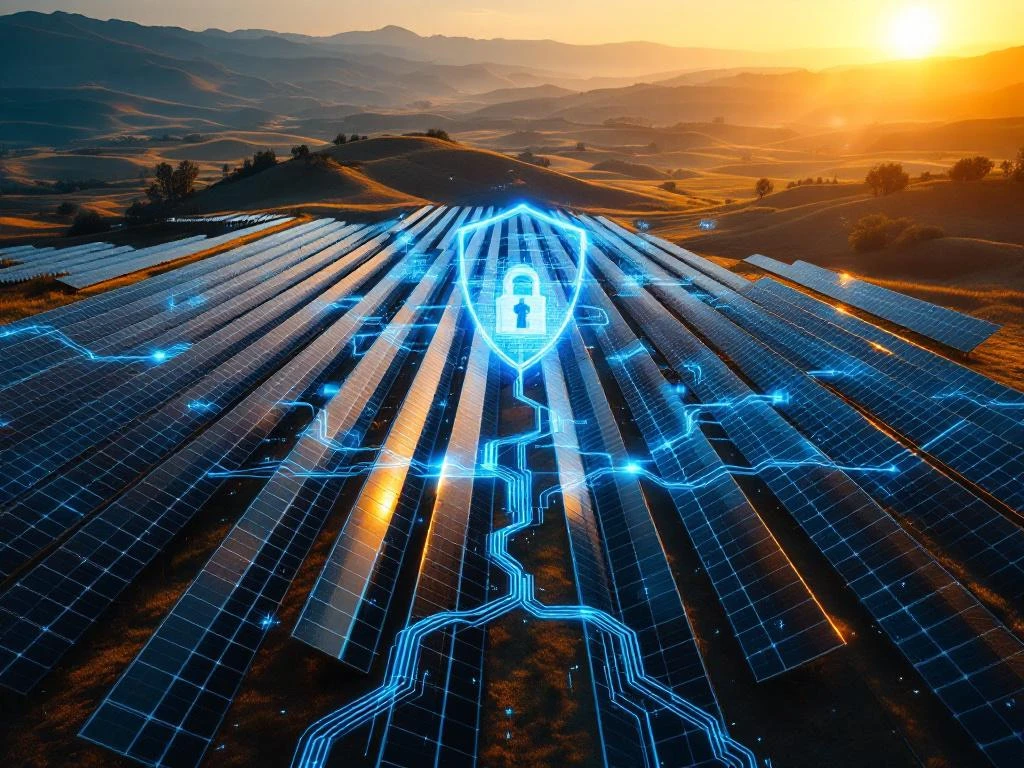
Securing SCADA systems at solar farms requires implementing multiple layers of cybersecurity protection, including network segmentation, access controls, and continuous monitoring. These industrial control systems manage critical operations from power generation to grid integration, making them attractive targets for cyberattacks. This guide addresses the most important questions about protecting solar farm SCADA infrastructure from security threats.
What are SCADA systems and why do solar farms need them?
SCADA (Supervisory Control and Data Acquisition) systems are centralized control platforms that monitor and manage solar farm operations remotely. They collect real-time data from sensors, inverters, and other equipment while controlling critical functions such as power output optimization and grid synchronization.
Solar farms rely on SCADA systems to maximize energy production and ensure safe operations. These systems track performance metrics across thousands of solar panels, automatically adjust equipment settings based on weather conditions, and provide operators with comprehensive visibility into system health. Without SCADA, managing large-scale solar installations would require extensive manual oversight and result in significant efficiency losses.
The systems integrate with various components, including meteorological stations, power inverters, transformers, battery storage systems, and grid connection equipment. This integration enables automated responses to changing conditions and helps maintain optimal power generation throughout the day.
What makes SCADA systems at solar farms vulnerable to cyberattacks?
Solar farm SCADA systems face multiple security vulnerabilities due to their network connectivity requirements and integration with legacy industrial equipment. Remote access capabilities that enable off-site monitoring also create potential entry points for malicious actors.
Legacy industrial control systems often lack modern security features and run on outdated operating systems with known vulnerabilities. Many SCADA components were designed for reliability rather than security, on the assumption that they would operate in isolated networks. However, modern solar farms require internet connectivity for remote monitoring and data reporting.
Network architecture presents additional risks when SCADA systems share connections with corporate IT infrastructure. Insufficient network segmentation can allow attackers to move laterally from office systems to critical control networks. Remote access points, while necessary for maintenance and monitoring, can become security weaknesses if they are not properly secured with encryption and authentication protocols.
How do you implement network security for solar farm SCADA systems?
Network security implementation begins with network segmentation that isolates SCADA systems from corporate networks and internet access. This creates separate security zones with controlled communication pathways between operational technology and information technology systems.
Start by establishing a demilitarized zone (DMZ) between your SCADA network and external connections. Configure industrial firewalls with strict rules that allow only necessary communication protocols and block all unauthorized traffic. Implement virtual private networks (VPNs) for remote access, ensuring all connections use strong encryption and authentication.
Deploy network monitoring tools that can detect unusual communication patterns or unauthorized connection attempts. Configure secure communication channels between control stations and field equipment using encrypted protocols where possible. Regular network vulnerability assessments help identify potential weaknesses before they can be exploited.
Consider implementing network access control (NAC) solutions that verify device identity before allowing network connections. This prevents unauthorized equipment from connecting to your SCADA network even if physical access is gained.
What access control measures protect SCADA systems from unauthorized users?
Access control protection requires implementing multi-factor authentication and role-based permissions that limit user access to only the system functions they need. This ensures that even authorized personnel can access only the systems relevant to their responsibilities.
Establish user authentication protocols that require both passwords and secondary verification methods such as security tokens or biometric verification. Create role-based access control (RBAC) systems that define specific permissions for operators, maintenance staff, and administrators. Regular access reviews help ensure permissions remain appropriate as job responsibilities change.
Physical security measures are equally important for protecting SCADA control rooms and equipment locations. Install access control systems, security cameras, and intrusion detection at control facilities. Secure equipment cabinets and communication infrastructure to prevent unauthorized physical access to network components.
Implement session monitoring and automatic logout procedures for inactive users. Maintain detailed logs of all system access attempts and regularly review these logs for suspicious activity patterns.
How do you monitor and detect threats to solar farm SCADA systems?
Threat monitoring requires deploying intrusion detection systems specifically designed for industrial control environments that can identify unusual network traffic and system behavior patterns. These systems must understand normal SCADA operations to accurately detect anomalies.
Implement security information and event management (SIEM) systems that collect and analyze logs from all SCADA components. Configure real-time alerts for suspicious activities such as unauthorized login attempts, unusual data access patterns, or unexpected system configuration changes. Network traffic analysis helps identify communication anomalies that might indicate cyberattacks.
Establish baseline performance metrics for normal system operations so deviations can be quickly identified. Deploy endpoint detection and response tools on SCADA workstations to monitor for malware or unauthorized software installation. Regular security assessments and penetration testing help validate your monitoring effectiveness.
Create incident response procedures that define specific steps for addressing different types of security threats. Train operational staff to recognize potential security incidents and establish clear communication protocols for reporting suspicious activities.
What backup and recovery plans protect solar SCADA operations?
Backup and recovery planning involves creating system redundancy and data protection strategies that ensure continued operations during security incidents or system failures. This includes both technical backup systems and operational continuity procedures.
Implement automated backup systems for SCADA configuration data, historical records, and system settings. Store backup data in secure, offline locations that cannot be accessed through network connections. Test backup restoration procedures regularly to ensure data integrity and that recovery time objectives can be met.
Deploy redundant SCADA servers and communication systems that can maintain operations if primary systems are compromised. Create detailed disaster recovery procedures that specify roles, responsibilities, and recovery steps for different incident scenarios. Maintain offline copies of system documentation and recovery procedures.
Develop business continuity plans that include manual operating procedures for critical systems during extended outages. Regular disaster recovery exercises help identify potential issues and ensure staff are familiar with emergency procedures.
How Solarif helps with SCADA security for solar projects
We provide comprehensive risk management services through specialized inspections that help solar project developers and operators assess potential security vulnerabilities in their SCADA systems. Our inspection services focus on identifying specific risks related to cybersecurity threats in renewable energy operations.
Our SCADA security inspection services include:
- Factory inspections to verify SCADA equipment meets security specifications before installation
- Batch inspections to assess security configurations across multiple SCADA components
- Drone inspections to evaluate physical security of remote SCADA infrastructure
- Insurance coordination to ensure adequate coverage for cybersecurity incidents
- Expert connections with specialized cybersecurity professionals for complex implementations
We understand that SCADA security requirements vary significantly based on system complexity, operational requirements, and regulatory compliance needs. Our inspection team works with you to identify security vulnerabilities that could affect your investment while maintaining operational efficiency.
Ready to assess your solar farm SCADA systems? Contact our risk management specialists today for a comprehensive security inspection and discover how Solarif can help protect your renewable energy investment.
Insurance and inspection needs for your BESS?
Contact us today if you want to know more about the possibilities in BESS insurance and Scope inspections.
📧 Email: support@solarif.com
☎️ Phone: +31 (0)26 711 5050