


What is IV curve testing for solar panels?
IV curve testing is a diagnostic method that measures the current-voltage relationship of solar panels under controlled conditions. This testing reveals detailed performance characteristics by plotting electrical output across different voltage and current combinations. IV curve analysis provides unique insights into panel health, efficiency levels, and potential defects that other testing methods might miss. Understanding this testing process helps solar professionals maintain optimal system performance and identify issues before they impact energy production.
What exactly is IV curve testing for solar panels?
IV curve testing measures the electrical relationship between the current (I) and voltage (V) output of photovoltaic modules under standardized conditions. The test creates a characteristic curve that shows how current changes as voltage varies from zero to the panel’s maximum voltage rating.
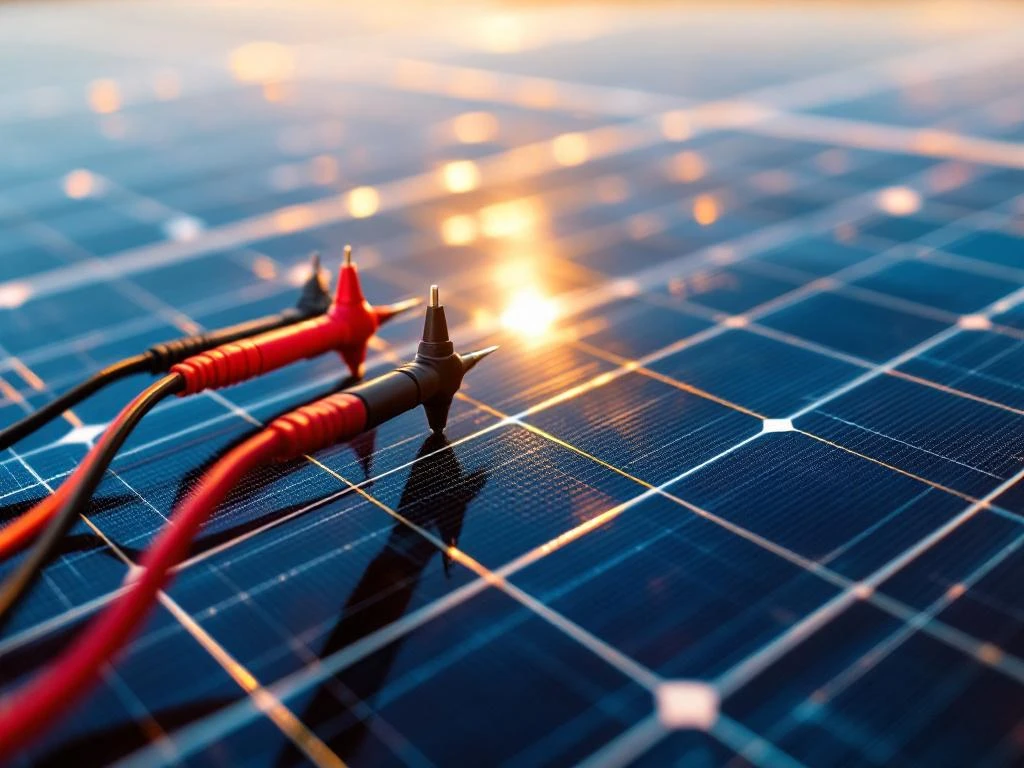
During IV curve testing, specialized equipment applies varying electrical loads to the solar panel while measuring the corresponding current and voltage values. These measurements create a distinctive curve shape that reveals important performance parameters, including open-circuit voltage (Voc), short-circuit current (Isc), maximum power point (Pmax), and voltage at maximum power (Vmax).
The resulting IV curve acts like a fingerprint for each solar panel, showing its unique electrical characteristics. This detailed performance profile allows technicians to compare actual output against manufacturer specifications and identify deviations that indicate potential problems. The curve shape itself provides valuable diagnostic information about cell condition, internal resistance, and overall module health.
Why do solar panels need IV curve testing?
Solar panels require IV curve testing to verify performance specifications, detect manufacturing defects, and monitor long-term degradation patterns. This testing method identifies problems that visual inspections cannot detect, ensuring panels operate at their rated capacity and deliver the expected energy output.
Manufacturing variations can cause panels to underperform even when they appear physically perfect. IV curve testing reveals these hidden issues by comparing actual electrical output against expected values. The test also establishes baseline performance data that becomes valuable for tracking degradation over the panel’s operational lifetime.
For commercial solar projects, IV curve testing provides documentation that insurers often require for warranty coverage. The detailed performance data helps validate that panels meet quality standards and perform according to specifications. This testing becomes particularly important when panels show unexpected performance drops or when commissioning new installations.
How does IV curve testing actually work?
IV curve testing uses specialized equipment called curve tracers or solar analyzers that systematically vary the electrical load on a solar panel while recording voltage and current measurements. The process requires controlled lighting conditions, typically using calibrated solar simulators in laboratory settings.
The testing procedure follows these steps:
- Connect the curve tracer to the solar panel terminals
- Ensure standard test conditions (STC) with proper irradiance and temperature
- Activate the sweep function to vary the electrical load from zero to maximum
- Record current and voltage measurements at multiple points
- Generate the characteristic IV curve from the collected data
- Analyze curve parameters against manufacturer specifications
Modern IV curve testing equipment can complete measurements in seconds, automatically calculating key performance parameters. The resulting data includes power curves alongside IV curves, providing comprehensive analysis of panel electrical characteristics under various operating conditions.
What problems can IV curve testing detect in solar panels?
IV curve testing identifies multiple solar panel defects, including cell damage, shading effects, connection problems, and manufacturing inconsistencies. The characteristic curve shape changes predictably based on specific defect types, allowing experienced technicians to diagnose problems accurately through comprehensive inspection protocols that support risk management assessments.
Common issues detected through IV curve analysis include:
- Cracked or damaged cells that reduce current output
- Series resistance problems from poor connections
- Shunt resistance issues caused by manufacturing defects
- Partial shading effects on individual cells
- Bypass diode failures affecting panel sections
- Degradation patterns indicating accelerated aging
Each defect type creates distinctive curve abnormalities. For example, cracked cells typically show reduced current output, while connection problems appear as increased series resistance with flattened curve characteristics. Shading creates stepped curves with multiple power peaks, clearly indicating affected cell groups.
When should you perform IV curve testing on solar panels?
Perform IV curve testing during initial commissioning, routine maintenance schedules, after severe weather events, and when performance monitoring indicates unexplained output reductions. Regular testing intervals depend on system size, environmental conditions, and warranty requirements.
Optimal timing for IV curve testing includes:
- Pre-installation quality verification for new panels
- Commissioning tests to establish baseline performance
- Annual maintenance inspections for commercial systems
- Post-storm assessments after hail or lightning events
- Troubleshooting when monitoring systems show performance drops
- Warranty claim documentation when defects are suspected
For commercial solar installations, many insurance policies require periodic IV curve testing as part of comprehensive maintenance programs. The testing frequency often increases for systems in harsh environments or those approaching warranty expiration dates.
How Solarif helps with solar panel quality inspections
We provide comprehensive solar panel quality inspections that include IV curve testing alongside visual inspections, electroluminescence imaging, and performance verification. Our inspection services ensure your solar investment meets the highest quality standards while protecting against manufacturing defects and performance issues.
Our quality inspection services include:
- Complete IV measurement testing with calibrated equipment under Standard Test Conditions (STC)
- Detailed performance parameter analysis, including Voc, Isc, Pmax, and Vmax measurements
- Electroluminescence imaging to detect structural defects and cell damage
- Visual inspections identifying physical defects before they impact performance
- Comprehensive reporting with baseline data for long-term monitoring
- Inspection assessments that help secure favorable insurance terms
As an insurance broker specializing in renewable energy projects, we understand how quality testing protects your investment and satisfies insurer requirements. Our accredited inspection team ensures your solar panels meet certification standards while providing the documentation needed for warranty coverage and optimal insurance premiums.
Ready to protect your solar investment with professional quality inspections? Contact our expert team to schedule comprehensive testing that includes IV curve analysis and complete performance verification for your commercial solar project.
Insurance and inspection needs for your BESS?
Contact us today if you want to know more about the possibilities in BESS insurance and Scope inspections.
📧 Email: support@solarif.com
☎️ Phone: +31 (0)26 711 5050