


What is risk management in solar installations?
Risk management in solar installations is a systematic approach to identifying, assessing, and mitigating potential threats that could impact project success, safety, and financial performance. From technical failures and weather damage to regulatory compliance and insurance requirements, solar projects face numerous challenges that require proactive planning and professional oversight.
Effective risk management goes beyond simply purchasing insurance coverage. It involves comprehensive planning, quality control measures, regular inspections, and strategic decision-making throughout the entire project lifecycle. Understanding these fundamentals helps developers, investors, and EPC contractors protect their investments while maximizing project returns.
What is risk management in solar installations?
Risk management in solar installations is the process of identifying, evaluating, and controlling potential threats to solar energy projects throughout their development, construction, and operational phases. This comprehensive approach combines technical assessments, financial planning, insurance strategies, and quality control measures to minimize project disruptions and protect stakeholder investments.
The risk management process encompasses several key components. Technical risk assessment evaluates equipment reliability, installation quality, and system performance capabilities. Financial risk analysis examines market conditions, regulatory changes, and revenue projections. Operational risk management addresses maintenance requirements, safety protocols, and long-term system reliability.
Professional risk management also includes insurance planning, in which specialized coverage protects against equipment failures, weather damage, liability claims, and business interruption. Quality inspections and certifications play a crucial role, ensuring installations meet safety standards and insurer requirements while maintaining optimal performance levels.
What are the main risks in solar installation projects?
Solar installation projects face technical, financial, environmental, and regulatory risks that can significantly impact project success and profitability. Technical risks include equipment failures, installation defects, performance shortfalls, and compatibility issues between system components. Financial risks encompass cost overruns, market volatility, financing challenges, and revenue uncertainty.
Environmental risks pose substantial threats to solar installations. Weather events such as hail, storms, flooding, and extreme temperatures can cause physical damage or reduce system performance. Fire risks, while relatively rare, can result in total system loss and significant liability exposure. Ground conditions, seismic activity, and environmental contamination can also affect project viability.
Regulatory and compliance risks continue to evolve as solar markets mature. Changes in government incentives, grid connection requirements, and safety regulations can impact project economics and timelines. Liability risks include third-party property damage, personal injury claims, and environmental contamination during construction or operation.
Supply chain disruptions represent another critical risk category. Component availability, quality variations between manufacturers, and shipping delays can derail project schedules. Contractor performance issues, including workmanship defects and project abandonment, create additional exposure for project stakeholders.
How do you assess risks before starting a solar project?
Risk assessment for solar projects begins with comprehensive site evaluation, technical due diligence, and financial analysis conducted by qualified professionals. This process typically involves site surveys, environmental assessments, structural evaluations, and electrical system analysis to identify potential technical and safety challenges before construction begins.
Site assessment examines physical conditions, including soil stability, drainage, shading, and access requirements. Environmental factors such as local weather patterns, seismic activity, and flood zones are evaluated to determine appropriate system design and protection measures. Structural assessments verify roof integrity for rooftop installations or foundation requirements for ground-mounted systems.
Financial risk assessment analyzes project economics, including equipment costs, installation expenses, financing terms, and revenue projections. Market analysis examines electricity prices, the regulatory environment, and incentive programs that could affect project returns. Insurance market conditions and coverage availability are also evaluated during this phase.
Technical due diligence includes equipment selection analysis, system design review, and contractor qualification assessment. Component reliability records, warranty terms, and manufacturer financial stability are examined. Contractor experience, safety records, and financial capacity receive thorough evaluation to minimize performance risks.
What’s the difference between insurance and risk management for solar projects?
Insurance provides financial protection against specific covered losses, while risk management is a broader strategy that includes insurance as one component alongside prevention, mitigation, and control measures. Insurance transfers financial risk to insurers, whereas risk management aims to reduce the likelihood and impact of potential problems before they occur.
Risk management encompasses proactive measures, including quality inspections, preventive maintenance, safety protocols, and design optimization. These activities aim to prevent problems from occurring or minimize their impact when they do happen. Professional risk management also includes contingency planning, vendor selection criteria, and operational procedures that reduce exposure to various threats.
Insurance coverage complements risk management by providing financial recovery when prevention measures are insufficient. Specialized solar insurance policies cover equipment replacement, business interruption, liability claims, and performance guarantees. However, insurance typically excludes losses resulting from poor maintenance, design defects, or failure to follow proper procedures.
The most effective approach combines both strategies. Strong risk management practices often result in lower insurance premiums and better coverage terms, while comprehensive insurance provides financial security that enables more aggressive business growth and investment strategies.
How do quality inspections reduce solar installation risks?
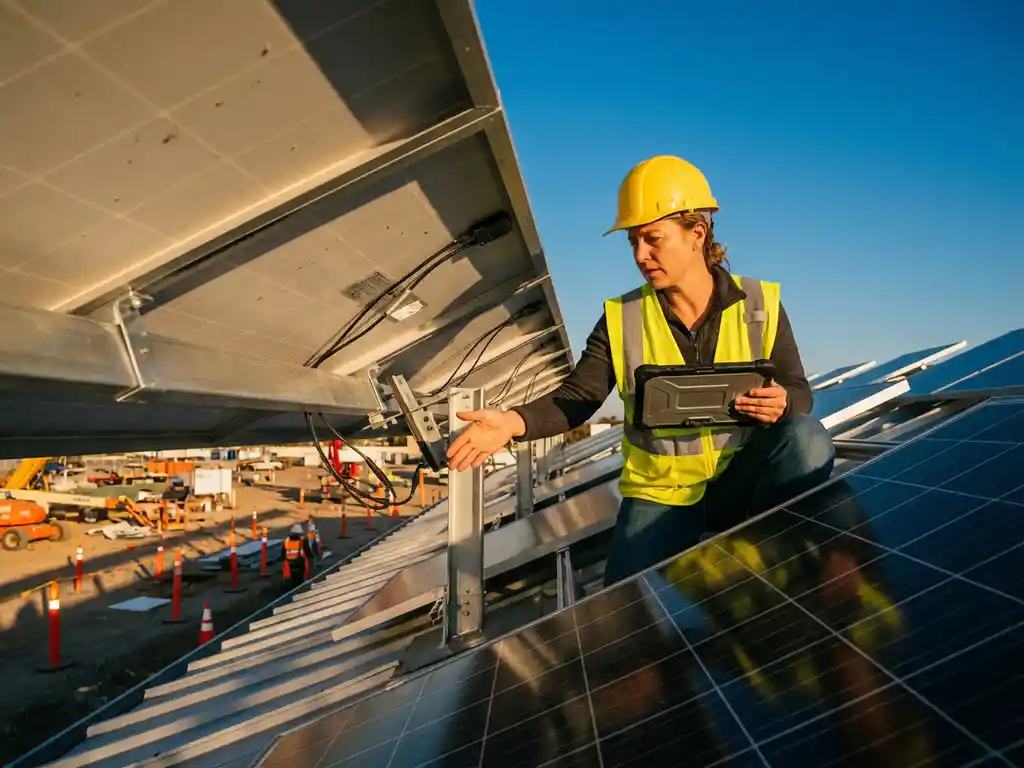
Quality inspections identify installation defects, safety hazards, and performance issues before they cause system failures, safety incidents, or insurance claim denials. Professional inspections verify that installations meet manufacturer specifications, safety codes, and insurer requirements, significantly reducing technical and liability risks throughout the system lifecycle.
Scope 12 inspections represent the industry standard for commercial solar installations. These comprehensive assessments examine electrical connections, grounding systems, structural mounting, and safety compliance. While not legally required in the Netherlands, most insurers demand Scope 12 inspections before providing coverage for commercial solar installations.
SCIOS-certified inspectors conduct thorough evaluations using standardized protocols that ensure consistent quality assessment. Inspection reports document system condition, identify potential problems, and verify proper installation practices. This documentation is essential for insurance claims, warranty enforcement, and system performance optimization.
Regular inspection schedules help maintain system performance and extend equipment life. Early detection of potential problems allows for corrective action before minor issues become major failures. Quality inspections also support preventive maintenance programs that maximize energy production and minimize unexpected repair costs.
Who should handle risk management for solar installations?
Risk management for solar installations requires specialized expertise and should be handled by professionals with deep knowledge of renewable energy projects, insurance markets, and technical requirements. This typically involves insurance brokers specializing in solar energy, qualified inspection companies, experienced project managers, and technical consultants with solar industry experience.
Project developers and EPC contractors need risk management support throughout project development, construction, and commissioning phases. Investors and asset owners require ongoing risk management for operational systems, including insurance program management, inspection scheduling, and performance monitoring. Each stakeholder benefits from professional guidance tailored to their specific role and risk exposure.
Insurance brokers with renewable energy specialization provide crucial expertise in coverage selection, market navigation, and claims management. Their industry knowledge helps identify appropriate coverage limits, policy terms, and cost-effective insurance solutions. Specialized brokers also maintain relationships with insurers who understand solar technology and offer competitive terms.
Technical risk management requires qualified engineers, certified inspectors, and experienced project managers who understand solar system design, installation practices, and operational requirements. These professionals conduct risk assessments, develop mitigation strategies, and oversee implementation of safety and quality protocols.
How Solarif helps with risk management in solar installations
We provide comprehensive risk management solutions specifically designed for solar energy projects, combining specialized insurance expertise with technical risk assessment capabilities. Our approach addresses the complete spectrum of solar installation risks through integrated services that protect projects from development through long-term operation.
Our risk management services include:
- Specialized insurance solutions covering equipment damage, business interruption, liability, and performance risks
- Professional Scope 12 inspections conducted by SCIOS-certified inspectors to ensure safety and insurability
- Risk assessment and mitigation planning tailored to specific project requirements and stakeholder needs
- Claims management support with industry expertise to maximize recovery and minimize business disruption
- Ongoing risk monitoring throughout the project lifecycle, with proactive recommendations for risk reduction
With over 15 years of experience in renewable energy risk management, we have conducted 521 Scope 12 inspections and insured 3.8 GW of solar capacity. Our specialized knowledge helps clients navigate complex risk landscapes while optimizing insurance costs and coverage effectiveness.
Ready to protect your solar investment with professional risk management? Contact our renewable energy specialists today to discuss your project requirements and receive a customized risk management strategy that ensures your solar installation’s long-term success and profitability.
Insurance and inspection needs for your BESS?
Contact us today if you want to know more about the possibilities in BESS insurance and Scope inspections.
📧 Email: support@solarif.com
☎️ Phone: +31 (0)26 711 5050