



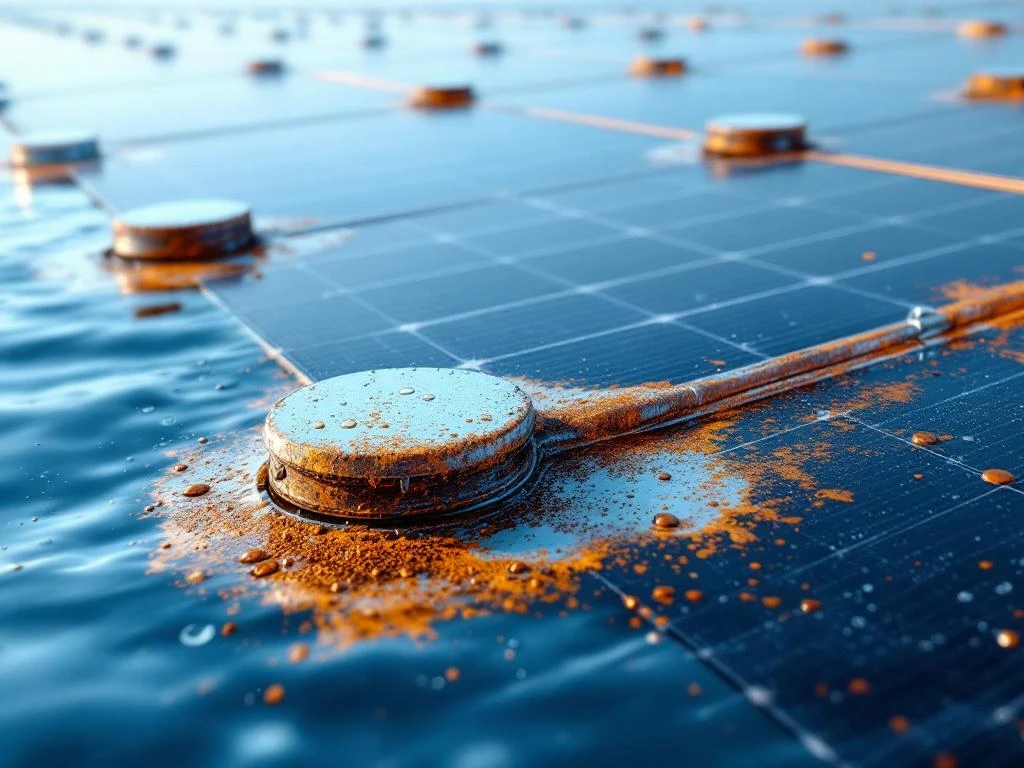
What is the corrosion risk for floating solar?
Floating solar systems face significant corrosion risks due to their constant exposure to moisture, temperature fluctuations, and potentially saltwater environments. The harsh marine conditions accelerate metal degradation and create unique challenges not found in traditional ground-mounted installations. Understanding these solar panel risks helps you protect your investment and maintain optimal performance over time.
What makes floating solar panels vulnerable to corrosion?
Floating solar panels face constant moisture exposure, saltwater contact, temperature fluctuations, and marine atmospheric effects that accelerate corrosion processes compared to ground-mounted systems. The water environment creates a perfect storm of conditions that promote metal degradation and electrical component failure.
The primary challenge comes from the continuous humidity surrounding floating installations. Unlike rooftop systems that dry out between weather events, floating solar panels remain in a perpetually moist environment. This constant exposure prevents natural drying cycles that would otherwise slow corrosion processes.
Temperature variations between day and night create thermal cycling effects that stress materials and protective coatings. When combined with moisture, these temperature changes cause expansion and contraction that can crack protective barriers and expose underlying metals to corrosive elements.
The marine atmosphere contains salt particles that settle on surfaces and create conductive pathways for electrical corrosion. Even freshwater installations face challenges from dissolved minerals and organic compounds that can promote galvanic corrosion between dissimilar metals used in mounting systems and electrical connections.
Which parts of floating solar systems corrode first?
Mounting hardware, electrical connections, inverters, and structural elements are the most vulnerable components in floating solar installations. These parts experience direct water contact and contain dissimilar metals that create galvanic corrosion conditions.
Electrical connections represent the highest-risk area because they combine moisture exposure with electrical current flow. DC connectors, junction boxes, and cable entry points are particularly susceptible when protective seals fail or degrade over time. The combination of electricity and moisture accelerates corrosion through electrochemical processes.
Mounting hardware, including bolts, brackets, and rails, often corrodes first due to its direct exposure to water and its role as structural stress points. These components frequently use different metal types that create galvanic cells when moisture bridges between them.
Inverter housings and cooling systems face unique challenges in floating installations. The constant humidity can overwhelm standard IP ratings, leading to internal condensation and component failure. Cooling fans and heat sinks are especially vulnerable to salt buildup that reduces efficiency and promotes corrosion.
Structural flotation elements and anchoring systems experience continuous immersion stress. While designed for marine environments, the combination of UV exposure above water and corrosive conditions below creates challenging operating conditions that can lead to premature failure.
How does saltwater affect floating solar panel performance?
Saltwater causes salt buildup on surfaces, electrical conductivity issues, and accelerated metal degradation that significantly impact solar panel efficiency and longevity. Saltwater installations face more severe challenges than freshwater systems due to the highly corrosive nature of marine environments.
Salt deposits on panel surfaces reduce light transmission and create hot spots that decrease energy production. Regular cleaning becomes more important but also more challenging in marine environments, where salt spray continuously recontaminates cleaned surfaces.
The electrical conductivity of saltwater creates dangerous conditions for system safety and performance. Salt bridges can form between electrical components, creating unintended current paths that lead to ground faults, arc faults, and system shutdowns. These conditions pose both safety risks and performance degradation.
Saltwater accelerates galvanic corrosion between dissimilar metals used throughout the system. Aluminum frames, steel mounting hardware, and copper electrical components create multiple galvanic couples that drive rapid corrosion when connected through conductive saltwater paths.
The difference between saltwater and freshwater installations is dramatic in terms of corrosion rates. Saltwater environments can increase corrosion rates by factors of ten or more compared to freshwater installations, requiring more robust materials and protection systems to achieve an acceptable service life.
What corrosion protection methods work best for floating solar?
Proven corrosion prevention strategies include marine-grade material selection, protective coatings, cathodic protection systems, regular maintenance protocols, and design considerations that minimize corrosion risk in marine environments. Successful protection requires a comprehensive approach that addresses all vulnerable components.
Material selection forms the foundation of corrosion protection. Marine-grade stainless steels, aluminum alloys, and non-metallic composites provide better corrosion resistance than standard materials. Using similar metals throughout the system reduces galvanic corrosion potential.
Protective coatings, including anodizing, galvanizing, and polymer coatings, create barriers between metals and corrosive environments. However, coating integrity must be maintained through regular inspection and touch-up procedures, as small breaches can accelerate localized corrosion.
Cathodic protection systems use sacrificial anodes or impressed current to prevent corrosion of critical metal components. These systems require proper design and regular maintenance but can significantly extend component life in marine environments.
Design considerations such as drainage systems, ventilation, and component spacing help minimize moisture accumulation and promote drying. Proper cable management and seal selection prevent water ingress into electrical components.
Regular maintenance protocols, including cleaning, inspection, and component replacement, help identify and address corrosion before it causes system failure. Maintenance frequency must increase in marine environments to match the accelerated degradation rates.
How often should you inspect floating solar systems for corrosion?
Floating solar systems require monthly visual inspections and quarterly detailed assessments in marine environments, with annual comprehensive evaluations by qualified inspectors. Environmental conditions significantly affect inspection frequency requirements for optimal system protection and early problem detection.
Monthly visual inspections should focus on obvious signs of corrosion, discoloration, or component degradation. Look for white or green deposits on metal surfaces, rust stains, loose connections, and damaged protective coatings. These quick assessments help identify rapidly developing problems.
Quarterly detailed inspections involve closer examination of electrical connections, mounting hardware, and structural components. Use electrical testing to identify developing ground faults or insulation degradation that may indicate moisture ingress and corrosion damage.
Annual comprehensive evaluations should include underwater inspection of anchoring systems, flotation integrity, and submerged components. Professional divers or underwater cameras may be necessary to assess conditions below the waterline.
Environmental factors significantly influence inspection schedules. Systems in high-salt environments, areas with extreme temperature variations, or locations with severe weather require more frequent attention. Storm damage assessments should occur immediately after severe weather events.
Early warning signs include unusual electrical behavior, visible corrosion products, loose or damaged components, and changes in system performance that cannot be attributed to other factors. Addressing these signs quickly prevents minor issues from becoming major system failures.
How Solarif helps with floating solar corrosion inspections
We provide specialized inspection services specifically designed for floating solar installations, combining targeted risk management inspections with expert insurance solutions and ongoing support. Our marine environment expertise helps you identify corrosion risks through professional inspections and ensure long-term performance.
Our specialized inspection services for floating solar projects include:
- Scios Scope 12 inspections that identify corrosion vulnerabilities specific to your installation environment and design
- Scios Scope 8 inspections performed by our SCIOS-certified inspectors, who understand the unique challenges of marine solar installations
- Scios Scope 10 inspections for comprehensive assessment of floating solar system components
- Factory and batch inspections to ensure marine-grade component quality before installation
As an insurance broker specializing in renewable energy projects, we work with A-rated insurers who understand floating solar risks and can provide appropriate coverage for marine installations. Our expertise helps ensure your project meets insurer requirements while maintaining optimal protection against corrosion risks.
Ready to protect your floating solar investment? Contact our renewable energy insurance specialists today for professional inspection services and a customized insurance solution that addresses the unique corrosion challenges of your floating solar installation.
Insurance and inspection needs for your BESS?
Contact us today if you want to know more about the possibilities in BESS insurance and Scope inspections.
📧 Email: support@solarif.com
☎️ Phone: +31 (0)26 711 5050