



What is the lifespan of floating solar installations?
Floating solar installations typically last between 25 and 30 years, similar to traditional land-based solar systems. However, their lifespan depends heavily on water conditions, maintenance quality, and environmental factors specific to aquatic environments. While the panels themselves maintain similar durability, the floating platforms and anchoring systems require specialised attention to achieve optimal longevity.
What exactly are floating solar installations and how do they work?
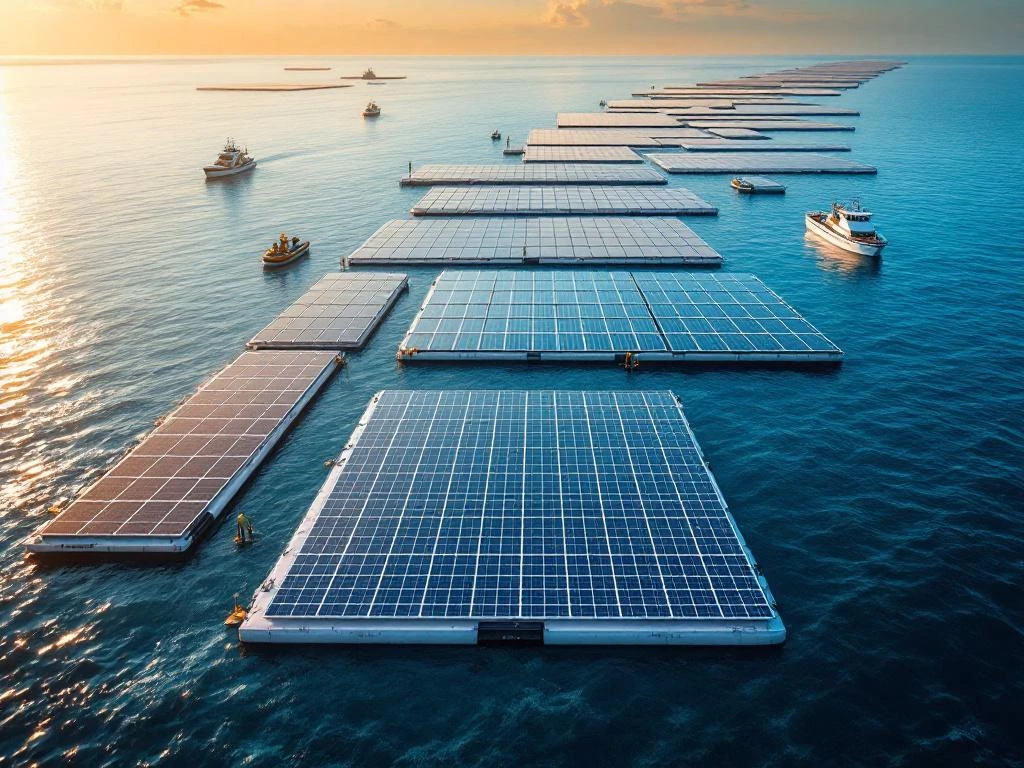
Floating solar installations, also known as floating photovoltaic (FPV) systems, are solar panel arrays mounted on specially designed floating platforms that sit on water surfaces. These systems combine traditional photovoltaic panels with marine-grade floating platforms, anchoring systems, and underwater electrical connections to generate clean energy while utilising water bodies instead of valuable land.
The basic components include high-density polyethylene (HDPE) floats that support the solar panels, mooring systems that keep the installation correctly positioned, and waterproof electrical connections that transmit power to shore-based inverters. Unlike ground-mounted systems, floating installations benefit from the cooling effect of water, which can improve panel efficiency by reducing operating temperatures.
The anchoring system typically uses a combination of dead weights, helical anchors, or tension leg moorings, depending on water depth and conditions. Power cables run underwater in protective conduits to connection points on shore, where the electricity enters the grid through conventional inverters and transformers.
How long do floating solar panels typically last compared to land-based systems?
Floating solar panels have an expected lifespan of 25 to 30 years, matching the durability of traditional land-based installations. The photovoltaic cells themselves are not significantly affected by being mounted over water, and manufacturers typically offer the same warranty periods for both applications—usually 10 to 25 years for product warranties and 25 years for performance guarantees.
The performance degradation rates remain similar to land-based systems, typically around 0.5% to 0.8% annually. However, floating systems may actually experience slower degradation in some cases due to the cooling effect of water, which reduces thermal stress on the panels. Water temperatures help maintain more consistent operating conditions compared to ground installations that experience greater temperature fluctuations.
The main difference lies in the supporting infrastructure rather than the panels themselves. While the solar modules maintain their standard lifespan, the floating platforms, anchoring systems, and marine-grade electrical components may require different maintenance schedules and replacement intervals than traditional mounting systems.
What factors affect the durability of floating solar installations?
Water quality significantly impacts floating solar system durability, with factors like pH levels, salinity, and chemical composition affecting both the floating platforms and electrical connections. Harsh water conditions can accelerate corrosion of metal components and degrade sealing materials more quickly than anticipated.
Environmental conditions play a major role in system longevity. Wave action and water movement create mechanical stress on anchoring systems and connections, while extreme weather events like storms can cause structural damage. UV radiation exposure remains similar to land-based systems, but reflection from water surfaces can actually increase UV exposure to the undersides of panels.
Temperature fluctuations affect floating systems differently than ground-mounted installations. While water provides cooling benefits, rapid temperature changes between seasons can cause expansion and contraction stress on floating platforms and connections. Ice formation in colder climates presents unique challenges, potentially damaging floats and creating additional mechanical stress on the entire system.
The quality of materials used in construction directly impacts durability. Marine-grade components, proper waterproofing, and corrosion-resistant materials are vital for achieving the expected 25–30-year lifespan in aquatic environments.
What maintenance do floating solar systems require to maximise their lifespan?
Regular cleaning procedures for floating solar systems differ from those for land-based installations due to water access requirements. Cleaning typically involves boat-based operations or floating platforms, making it more complex but often less frequent due to reduced dust accumulation. However, algae growth and water spotting require specialised cleaning approaches to maintain optimal performance.
Inspection schedules should include both above-water and underwater components. Monthly visual inspections help identify obvious issues like damaged floats or loose connections, while quarterly detailed inspections should examine anchoring systems, electrical connections, and structural integrity. Annual professional inspections can assess underwater components and overall system condition.
Anchoring system maintenance requires particular attention, as these components bear continuous stress from water movement and weather conditions. Regular tension checks, anchor point inspections, and replacement of worn mooring lines help prevent system drift or damage during storms.
Electrical connection maintenance involves checking waterproof seals, testing insulation resistance, and ensuring that grounding systems remain effective in the aquatic environment. Preventive measures include regular replacement of sealing materials and prompt repair of any water ingress points to prevent costly electrical failures.
What are the main risks that could shorten floating solar installation lifespan?
Corrosion issues represent the primary threat to floating solar installations, particularly affecting metal components like mounting hardware, electrical connections, and anchoring systems. Even with marine-grade materials, salt water and chemical exposure can accelerate corrosion beyond expected rates, leading to structural failures and electrical problems.
Storm damage poses significant risks to floating installations, as high winds and waves can overwhelm anchoring systems or cause panels to collide with each other. Unlike ground-mounted systems that can be designed for specific wind loads, floating systems must also account for water movement and the dynamic nature of their mounting platform.
Ice formation creates unique challenges in colder climates, potentially crushing floating platforms or lifting anchor points. The expansion forces from ice can damage both the floating structure and shore connections, while repeated freeze-thaw cycles accelerate material degradation.
Algae growth and biofouling can affect both performance and structural integrity. Heavy algae growth reduces light transmission to panels and can create additional weight and drag forces on the floating platform. Biological growth can also clog drainage systems and create moisture retention that accelerates component degradation.
These operational risks require specialised inspection and assessment approaches that account for the unique challenges of aquatic environments, making proper insurance coverage particularly important for floating installations.
How Solarif helps with floating solar project insurance and inspections
We provide comprehensive insurance solutions specifically designed for floating solar installations, addressing the unique challenges these systems face in aquatic environments. Our specialised coverage goes beyond standard solar insurance to include water-specific concerns such as anchor failure, storm damage, and marine-related equipment failures.
Our Risk Management services for floating FPV systems include:
- Scios Scope 12 inspections for comprehensive system evaluation
- Scios Scope 8 inspections focusing on electrical components and connections
- Scios Scope 10 inspections for structural and mechanical assessments
- Factory inspections ensuring marine-grade components meet insurance standards
- Drone inspections adapted for water-based installations
Our additional services include:
- Comprehensive coverage options protecting against construction risks, operational losses, and equipment damage
- Claims support with expertise in floating solar technology and marine insurance requirements
As insurance brokers specialising in renewable energy projects, we work with A-rated insurers who understand floating solar technology and can provide competitive coverage for these innovative installations. Our expertise helps ensure that your floating solar investment receives proper protection throughout its 25–30-year operational life.
Ready to protect your floating solar project? Contact our renewable energy insurance specialists today to discuss comprehensive coverage options tailored to your specific installation and water conditions.
Insurance and inspection needs for your BESS?
Contact us today if you want to know more about the possibilities in BESS insurance and Scope inspections.
📧 Email: support@solarif.com
☎️ Phone: +31 (0)26 711 5050