



What is the most common cause of lithium battery fire?
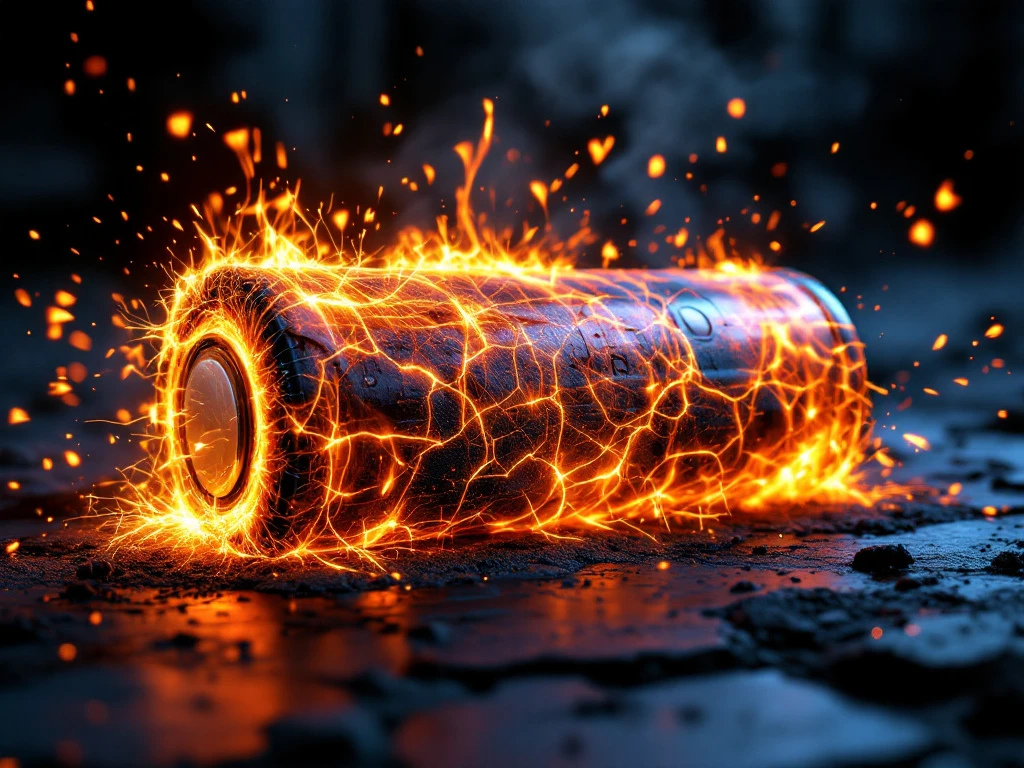
The most common cause of lithium battery fire is thermal runaway, a dangerous chain reaction where excessive heat causes battery cells to overheat uncontrollably. Thermal runaway in lithium-ion batteries occurs when temperatures reach their critical thermal threshold, which varies depending on the battery chemistry often ranging from around 130°C for NMC cells to up to 250°C for LFP cells. This reaction can cause fires that spread rapidly and release toxic gases such as hydrogen fluoride (HF) and carbon monoxide (CO). Understanding this phenomenon and its triggers is crucial for preventing battery storage fire incidents in commercial solar installations.
What exactly is thermal runaway and why does it cause lithium battery fires?
Thermal runaway is a chain reaction process where a lithium battery cell generates heat faster than it can dissipate it, causing temperatures to rise uncontrollably. Once initiated, this process becomes self-sustaining as each temperature increase accelerates the chemical reactions inside the cell, producing even more heat.
The process typically begins when battery cells exceed their safe operating temperature range, causing accelerated degradation. The irreversible chemical breakdown that leads to thermal runaway, however, is triggered at the much higher critical thermal threshold (130°C and up) where the electrolyte decomposes and the separator fails. At these elevated temperatures, the electrolyte starts breaking down and the separator between electrodes begins to fail. This creates internal short circuits that generate additional heat, pushing temperatures even higher.
As temperatures continue rising, the battery enters a critical phase where thermal runaway becomes inevitable. The cell’s internal components begin to decompose rapidly, releasing flammable gases and generating intense heat. These gases can ignite, causing the battery to catch fire or even explode. In battery storage systems, this can spread to adjacent cells, creating a cascading failure that’s extremely difficult to control.
What are the main triggers that start thermal runaway in lithium batteries?
Several factors can trigger thermal runaway in lithium batteries, with overcharging being one of the most common causes. When batteries receive more charge than they can safely handle, excess energy converts to heat, raising cell temperatures beyond safe limits.
Physical damage to battery cells creates another major risk factor. Impact, crushing, or penetration can damage internal components and create short circuits that generate dangerous heat buildup. Manufacturing defects, whilst less common in quality batteries, can include faulty separators, contamination, or poor cell construction that makes batteries more susceptible to failure.
Extreme temperatures also pose significant risks. Exposure to high ambient temperatures or inadequate cooling systems can push batteries beyond their thermal limits. Internal short circuits, whether from manufacturing issues or degradation over time, create direct pathways for current flow that bypass normal cell operation, generating excessive heat in localised areas.
How can you tell if a lithium battery is about to catch fire?
Several warning signs indicate a lithium battery may be approaching thermal runaway. Battery swelling is one of the most visible early indicators, as gas buildup inside cells causes them to expand beyond their normal dimensions.
Unusual heat generation is another critical warning sign. Batteries that feel significantly warmer than normal during operation or charging may be experiencing internal problems. Strange odours, particularly sweet or metallic smells, can indicate electrolyte breakdown or other chemical reactions occurring inside the cells.
Performance degradation often precedes more serious problems. This includes rapid capacity loss, inability to hold charge, or unusual voltage readings during operation. Visual inspection may reveal discolouration, corrosion around terminals, or damage to battery casings. In commercial installations, monitoring systems should track temperature patterns, voltage irregularities, and charging behaviour that deviates from normal parameters.
What should you do if a lithium battery starts smoking or catches fire?
If a lithium battery begins smoking or catches fire, immediate evacuation of the area is the first priority. Battery storage fire incidents can escalate rapidly, producing toxic gases and intense heat that pose serious health risks to anyone nearby.
Never attempt to fight a lithium battery fire with standard handheld extinguishers; they are ineffective at cooling the core reaction and pose electrical hazards. Professional firefighters often use large volumes of water for cooling adjacent cells and preventing propagation while managing electrical hazards and toxic runoff. If safe to do so, disconnect power sources to prevent further energy flow to the affected batteries. However, personal safety must always take precedence over equipment protection.
Contact emergency services immediately, specifically informing them that the incident involves lithium batteries. This information helps firefighters prepare appropriate equipment and safety measures. Professional firefighters have specialised training and equipment for handling battery fires, including foam suppressants and cooling techniques designed for electrical fires.
Maintain a safe distance from the fire, as burning batteries can release toxic gases and may explode. Ensure adequate ventilation in enclosed spaces, but avoid remaining in areas where smoke or fumes are present.
How do you prevent lithium battery fires in solar energy systems?
Preventing battery fires in solar installations requires comprehensive risk management throughout the project lifecycle. Proper system design includes adequate spacing between battery modules, appropriate ventilation systems, and robust thermal management to maintain safe operating temperatures.
Quality control measures play a crucial role in fire prevention. This includes sourcing batteries from reputable manufacturers, conducting thorough inspections during installation, and implementing regular maintenance schedules. Professional inspections help identify potential issues before they become serious problems.
Advanced monitoring systems continuously track battery performance, temperature, and charging patterns. These systems can detect anomalies early and automatically shut down problematic sections before thermal runaway occurs. Battery Management Systems (BMS) provide essential protection by preventing overcharging, managing cell balancing, and monitoring critical parameters.
For commercial solar projects, working with experienced insurance brokers who understand renewable energy risks ensures proper coverage and risk assessment. Professional risk management includes regular system health checks, maintenance protocols, and emergency response planning. These preventive measures not only protect against fire risks but also help maintain system performance and extend battery life.
Understanding thermal runaway and implementing comprehensive prevention strategies significantly reduces battery storage fire risks in solar installations. Professional risk assessment, quality equipment selection, and ongoing monitoring create multiple layers of protection that keep both people and investments safe.
Protect Your Solar Investment Today
Don’t leave your solar energy system vulnerable to battery storage fire risks. Professional risk assessment and preventive measures are essential for protecting both your investment and ensuring safe operation. Our experienced team specialises in comprehensive solar insurance solutions and risk management strategies tailored to your specific needs. Contact us today to discuss how we can help safeguard your renewable energy project with expert guidance and tailored insurance coverage.
Insurance and inspection needs for your BESS?
Contact us today if you want to know more about the possibilities in BESS insurance and Scope inspections.
📧 Email: support@solarif.com
☎️ Phone: +31 (0)26 711 5050