


What is the role of encryption in solar system security?
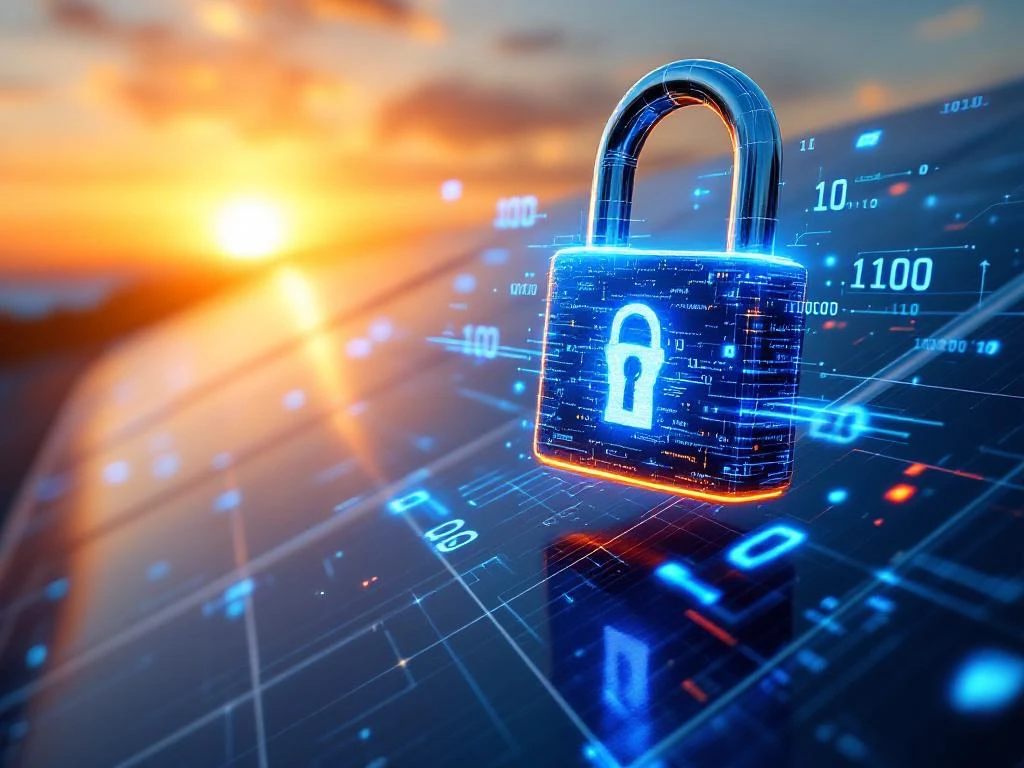
Encryption-based solar system security protects renewable energy installations by scrambling data transmitted between solar panels, inverters, monitoring systems, and control centers. Modern solar projects face increasing cyber threats that can compromise performance data, enable unauthorized system access, and potentially disrupt grid operations. Understanding encryption’s role helps commercial solar project owners implement proper cybersecurity measures to protect their investments and ensure reliable energy production.
What is encryption and why does it matter for solar systems?
Encryption is a security method that scrambles data into unreadable code during transmission between solar system components. Only authorized devices with the correct decryption keys can access the original information. This protection becomes increasingly important as solar installations rely more on digital communication between panels, inverters, monitoring platforms, and remote control systems.
Solar systems generate continuous streams of performance data, operational commands, and diagnostic information. Without encryption, this data travels in plain text, making it vulnerable to interception or manipulation. Encrypted solar monitoring ensures that hackers cannot easily access your system’s operational data or inject malicious commands that could affect energy production.
Commercial solar projects particularly benefit from encryption because they often involve substantial investments and complex monitoring requirements. Insurance providers recognize this importance and may require specific cybersecurity measures, including encryption protocols, as part of coverage requirements for commercial solar installations.
What cyber threats do solar systems actually face?
Solar installations encounter several cybersecurity risks that can impact both operational performance and financial returns. Unauthorized access to monitoring systems represents the most common threat, allowing attackers to view sensitive performance data or potentially manipulate system settings remotely.
Data theft poses another significant risk for commercial solar projects. Hackers may target operational data to understand energy production patterns, system vulnerabilities, or business operations. This information could be valuable for competitive intelligence or for planning physical security breaches.
System manipulation represents the most serious threat category. Attackers who gain control of solar system components could potentially reduce energy output, damage equipment through improper operation, or create safety hazards. For large commercial installations connected to the electrical grid, compromised systems could theoretically contribute to broader grid stability issues.
Remote access vulnerabilities also create entry points for cybercriminals. Many solar systems allow remote monitoring and control for maintenance efficiency, but poorly secured connections can become pathways for unauthorized access to both solar systems and connected business networks.
How does encryption protect solar monitoring and control systems?
Encryption secures communication channels between all solar system components by converting readable data into coded format during transmission. When your monitoring system requests performance data from inverters, encryption ensures that information remains protected even if it is intercepted during transmission.
This protection works through cryptographic keys that authorize legitimate communication while blocking unauthorized access attempts. Your monitoring platform and system components share these keys, creating secure communication channels that prevent eavesdropping or data manipulation.
Remote monitoring protection becomes particularly important for commercial installations where operators need real-time access to system performance. Encryption allows secure remote access while maintaining system integrity, enabling efficient operations management without compromising security.
Control system encryption also prevents command injection attacks. When maintenance teams send operational commands to inverters or other components, encryption ensures these instructions cannot be altered or replaced with malicious commands during transmission.
What types of encryption are used in modern solar installations?
SSL/TLS encryption protects web-based monitoring platforms where users access solar system data through browsers. This encryption standard secures the connection between your device and the monitoring server, preventing unauthorized access to performance dashboards and system controls.
VPN encryption creates secure tunnels for remote access to solar system networks. Maintenance teams and system operators use VPN connections to safely access solar installations from off-site locations without exposing system networks to internet-based threats.
Device-level encryption operates within smart inverters and energy management systems themselves. Modern solar equipment increasingly includes built-in encryption capabilities that protect internal communications and data storage. This approach ensures security even if network-level protections are compromised.
Communication protocol encryption secures data exchange between different system components. Standards like Modbus TCP with encryption extensions protect the industrial communication protocols commonly used in commercial solar installations.
How can solar project owners ensure proper encryption implementation?
Start by verifying that your solar equipment supports current encryption standards during the procurement process. Request documentation showing SSL/TLS compatibility, VPN support capabilities, and any built-in device-level encryption features from equipment manufacturers.
Work with installers who understand solar cybersecurity requirements and can properly configure encrypted communications. Ask specific questions about how they secure monitoring system access, remote maintenance connections, and data transmission between system components.
Regular security updates maintain encryption effectiveness over time. Establish procedures for updating firmware on inverters, monitoring systems, and communication devices. Many security vulnerabilities emerge from outdated software that lacks current encryption protocols.
Implement network segmentation to isolate solar systems from other business networks. Even with encryption, limiting network access reduces potential attack surfaces and contains any security incidents that might occur.
Consider professional security assessments for large commercial installations. Cybersecurity experts can evaluate your encryption implementation, identify potential vulnerabilities, and recommend improvements specific to your solar project’s configuration.
How Solarif helps with solar system security and inspections
We support commercial solar projects through comprehensive inspections that evaluate cybersecurity measures and identify potential vulnerabilities in solar installations. Our expertise in renewable energy insurance helps us understand the security requirements that protect both operational performance and insurance coverage compliance.
Our services include:
- Security evaluations during quality inspections that assess encryption protocols and cybersecurity measures
- Insurance coverage guidance for cyber risks specific to solar installations and renewable energy projects
- Connections with security-conscious installers and technology partners who prioritize proper encryption implementation
- Risk management inspections that identify both physical and cybersecurity vulnerabilities in solar installations
Ready to protect your solar investment with proper security measures? Contact our renewable energy insurance specialists to discuss comprehensive inspection services that include cybersecurity assessment for your commercial solar project.
Insurance and inspection needs for your BESS?
Contact us today if you want to know more about the possibilities in BESS insurance and Scope inspections.
📧 Email: support@solarif.com
☎️ Phone: +31 (0)26 711 5050