


What is the vandalism risk for solar farms?
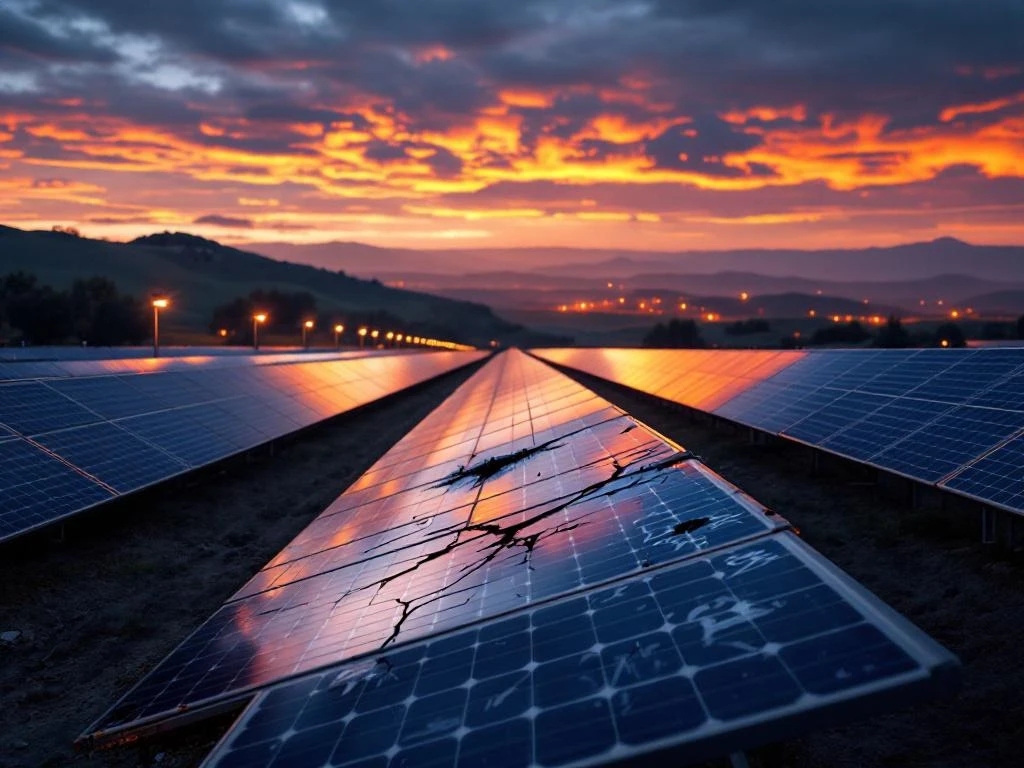
Vandalism represents a significant threat to solar farm operations, involving intentional damage to panels, equipment theft, and system sabotage. While not the most common risk, vandalism can result in substantial financial losses through repair costs, production downtime, and increased security expenses. Understanding these risks helps solar project owners implement effective protection strategies and secure appropriate insurance coverage.
What exactly counts as vandalism when it comes to solar farms?
Vandalism in solar installations includes any intentional damage or destruction of equipment, infrastructure, or property. This covers physical damage to solar panels through breaking or scratching, theft of valuable components such as copper cables and inverters, graffiti on equipment or structures, and deliberate system disruption or sabotage.
The key distinction between vandalism and other types of damage lies in intent. Unlike weather damage, equipment failure, or accidental harm, vandalism involves deliberate human action aimed at causing destruction or theft. This includes breaking panels with rocks or tools, stealing DC cables for their copper content, spray-painting equipment, and tampering with electrical systems to cause malfunctions.
Solar panel risks from vandalism also extend to supporting infrastructure. Mounting systems, monitoring equipment, security cameras, and perimeter fencing can all become targets. Understanding this broad scope helps project owners develop comprehensive protection strategies that address all vulnerable components.
How common is vandalism at solar installations?
Vandalism occurs less frequently than weather-related damage but affects enough projects to warrant serious consideration in risk management planning. Remote installations face higher risks due to limited surveillance and delayed detection of incidents.
Several factors influence vandalism risk levels. Urban installations near populated areas may experience more random acts of destruction, while rural projects often face organized theft targeting valuable materials. Projects visible from public roads attract more attention than those hidden from view. Construction phases present elevated risks, as materials and equipment often remain unsecured.
Utility-scale solar farms generally invest more heavily in security measures than smaller commercial installations. However, their remote locations and vast perimeters create challenges for comprehensive protection. Regional variations also exist, with some areas experiencing higher crime rates or stronger opposition to renewable energy development.
What types of vandalism damage solar farms the most?
Cable theft represents the most financially damaging form of vandalism due to copper’s resale value and the extensive replacement costs involved. Thieves target DC cables connecting panel strings and AC cables between inverters, often cutting large sections that require complete rewiring.
Breaking panels with rocks, hammers, or other tools creates immediate production losses and expensive replacement costs. While individual panels may seem like small targets, coordinated attacks can damage dozens of units in a single incident. The specialized nature of solar panels means replacement often involves long lead times and specific matching requirements.
Inverter damage proves particularly costly because these components represent significant investments and contain valuable electronic parts. Vandals may steal entire units or damage cooling systems and electrical connections. System sabotage, while less common, can affect entire sections of installations through deliberate electrical interference or control system tampering.
Beyond immediate repair costs, all forms of vandalism create production losses during downtime. Insurance typically covers material damage and business interruption, but project schedules and investor confidence may suffer longer-term impacts.
Why do people vandalize solar farms in the first place?
Economic motivation drives most vandalism incidents, particularly theft of copper cables and valuable electronic components. Copper prices make DC cables attractive targets for thieves who can quickly strip and sell the material to scrap dealers.
Opposition to renewable energy projects motivates some vandalism, especially in communities where solar development faces local resistance. This may manifest as symbolic damage to visible components or more systematic attempts to disrupt operations. Political or ideological opposition can escalate during controversial project developments.
Random destruction often occurs when solar installations become targets of opportunity for general criminal activity or juvenile mischief. Remote locations with limited security attract individuals seeking isolated areas for destructive behavior. The perceived anonymity of large installations may encourage opportunistic damage.
Organized criminal activity represents the most serious threat, involving planned operations to steal high-value components for resale. These groups often conduct surveillance before targeting installations with valuable equipment and limited security presence.
How can you protect solar farms from vandalism?
Layered security approaches provide the most effective protection by combining multiple deterrent and detection methods. Physical barriers such as fencing, gates, and access controls create the first line of defense against unauthorized entry.
Surveillance systems, including cameras, motion sensors, and alarm systems, enable real-time monitoring and rapid response to incidents. Modern systems offer remote monitoring capabilities that alert security personnel immediately when breaches occur. Strategic lighting illuminates key areas and deters nighttime intrusion attempts.
Remote monitoring technology allows operators to track system performance and detect unusual patterns that may indicate tampering or theft. Sudden production drops or communication losses can signal vandalism incidents requiring immediate investigation.
Community engagement helps build local support and creates additional eyes and ears around project sites. Positive relationships with neighboring properties and local authorities improve incident reporting and response times. Some projects employ local security services or establish community benefit programs to foster goodwill.
Strategic site design considerations include positioning valuable equipment away from perimeter areas, using anti-climb fencing, and creating clear sight lines for surveillance. Vegetation management prevents hiding spots while maintaining aesthetic appeal.
How Solarif helps with vandalism risk management
We provide comprehensive vandalism risk assessment and insurance solutions specifically designed for commercial solar projects. Our approach combines risk evaluation, tailored coverage options, and practical protection guidance to minimize your exposure to vandalism losses.
Our vandalism risk management services include:
- Risk assessment consultations that identify vulnerabilities specific to your project location and design
- All-risks insurance coverage that protects against vandalism damage, theft, and resulting production losses
- Security requirement guidance based on insurer standards and industry best practices
- Drone inspection services that can detect vandalism damage and support insurance claims
- Claims support to ensure rapid resolution and restoration of your operations
Our specialized knowledge of solar panel risks and vandalism patterns helps you implement cost-effective protection strategies while securing competitive insurance rates. Contact our renewable energy insurance experts today to discuss comprehensive vandalism protection for your solar project.
Insurance and inspection needs for your BESS?
Contact us today if you want to know more about the possibilities in BESS insurance and Scope inspections.
📧 Email: support@solarif.com
☎️ Phone: +31 (0)26 711 5050