



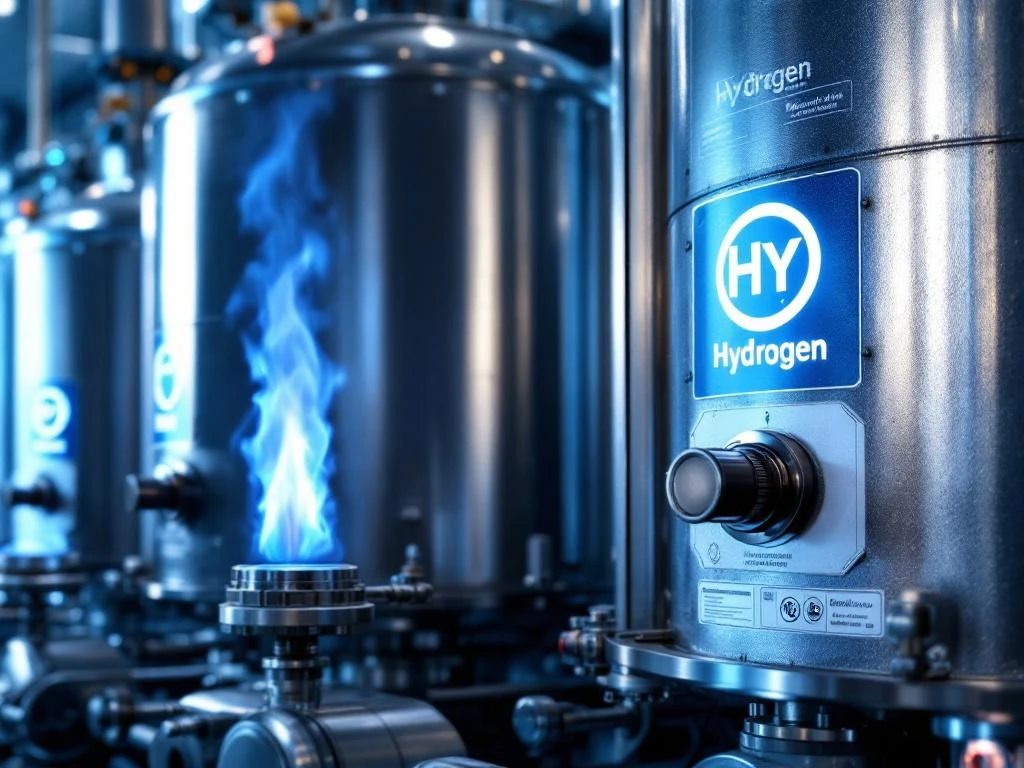
What regulations apply to hydrogen energy systems?
Hydrogen energy systems face complex regulatory frameworks that vary by location and application. These regulations cover safety standards, environmental requirements, permitting processes, and insurance obligations to ensure safe deployment and operation. Understanding these compliance requirements helps businesses navigate the hydrogen energy legal framework successfully and avoid costly delays or penalties in their clean energy projects.
What are hydrogen energy systems and why do they need regulation?
Hydrogen energy systems produce, store, or use hydrogen gas for power generation, industrial processes, or transportation fuel. These systems include electrolyzers that split water into hydrogen and oxygen, storage tanks that hold compressed or liquefied hydrogen, and fuel cells that convert hydrogen back into electricity. They play an important role in renewable energy projects by storing excess solar power and providing clean energy when needed.
Regulatory frameworks exist because hydrogen presents unique safety and environmental challenges. Hydrogen gas is highly flammable, burns with an invisible flame, and can leak through materials that contain other gases effectively. Without proper regulations, hydrogen installations could pose serious risks to workers, communities, and the environment.
These regulations also create market standardization that benefits the entire industry. When all hydrogen systems meet consistent safety and performance standards, it builds public confidence, reduces insurance costs, and enables easier financing for projects. This standardization helps accelerate the adoption of hydrogen energy technologies across different sectors.
Which safety standards apply to hydrogen energy installations?
International safety standards provide the foundation for hydrogen system compliance. ISO 14687 specifies quality requirements for hydrogen fuel, ensuring it meets purity levels needed for safe operation in fuel cells and other applications. This standard covers acceptable levels of impurities like water, oxygen, and various contaminants that could damage equipment or create safety hazards.
IEC standards address electrical safety aspects of hydrogen systems. IEC 60079 covers equipment used in explosive atmospheres, which applies to many hydrogen installations due to the gas’s flammable nature. These standards specify requirements for electrical equipment design, installation, and maintenance in areas where hydrogen leaks could create explosive conditions.
National safety codes supplement international standards with location-specific requirements. In the United States, NFPA 2 (Hydrogen Technologies Code) provides comprehensive safety requirements for hydrogen systems. European countries follow EN standards that align with ISO requirements while addressing regional safety concerns and installation practices.
These standards cover critical safety elements including leak detection systems, ventilation requirements, electrical equipment specifications, and emergency response procedures. Compliance with these standards is typically mandatory for obtaining permits and insurance coverage for hydrogen energy projects.
What permits do you need before installing hydrogen energy systems?
Environmental impact assessments are the first step in most hydrogen project permitting processes. These assessments evaluate potential effects on air quality, water resources, noise levels, and local ecosystems. The scope depends on project size and location, with larger installations requiring more comprehensive studies that can take several months to complete.
Building permits address structural and safety requirements for hydrogen facilities. Local authorities review site plans, structural designs, safety systems, and emergency access routes. These permits ensure hydrogen installations meet building codes and zoning requirements while providing adequate safety measures for surrounding areas.
Safety certifications verify that hydrogen systems comply with applicable safety standards before operation begins. This process involves inspections by qualified third parties who examine equipment installation, safety systems, and operational procedures. Many jurisdictions require these certifications before issuing final operating permits.
The permitting timeline varies significantly by location and project complexity. Simple hydrogen refueling stations might obtain permits within 3–6 months, while large industrial hydrogen production facilities could require 12–24 months for complete regulatory approval. Working with experienced consultants familiar with local requirements can help streamline this process.
How do environmental regulations affect hydrogen energy projects?
Emissions standards for hydrogen projects focus primarily on production methods and indirect environmental impacts. While hydrogen combustion produces only water vapor, the production process can generate emissions depending on the energy source used. Projects using renewable electricity for hydrogen production face fewer emissions restrictions than those using fossil fuel-based electricity or steam methane reforming.
Water usage regulations become relevant for electrolysis-based hydrogen production, which requires significant water inputs. Environmental authorities may impose limits on water consumption, require water recycling systems, or restrict water sources to protect local supplies. These requirements can affect project economics and design specifications.
Land-use restrictions may limit where hydrogen facilities can be located. Many jurisdictions require minimum distances from residential areas, schools, hospitals, and environmentally sensitive areas. These setback requirements can significantly impact site selection and project development costs, particularly in densely populated regions.
Environmental monitoring requirements often continue throughout a hydrogen facility’s operational life. This may include air quality monitoring, groundwater testing, noise level measurements, and regular environmental impact assessments. These ongoing obligations create operational costs that must be factored into project planning and budgeting.
What are the insurance and liability requirements for hydrogen systems?
Mandatory insurance coverage for hydrogen energy systems typically includes general liability, property insurance, and environmental liability protection. The coverage amounts required vary by jurisdiction and project size, but commercial hydrogen installations usually need substantial liability limits due to the potential consequences of hydrogen-related incidents.
Technical inspections form the foundation of insurance coverage decisions. Insurers evaluate factors including system design, safety measures, operator training, maintenance procedures, and emergency response capabilities. Projects with comprehensive safety systems and experienced operators generally receive better insurance terms and lower premiums through proper technical assessments and inspections.
Regulatory compliance directly affects insurance availability and costs. Insurance providers require proof of compliance with applicable safety standards, environmental regulations, and permit conditions before providing coverage. Non-compliance with regulatory requirements can void insurance coverage, leaving project owners exposed to significant financial risks.
Professional liability insurance may be required for companies designing, installing, or maintaining hydrogen systems. This coverage protects against claims arising from professional errors or omissions that could lead to system failures or safety incidents. Many jurisdictions require proof of professional liability coverage before issuing permits for hydrogen installations.
How Solarif helps with hydrogen energy regulation compliance
We provide comprehensive regulatory guidance and insurance solutions specifically designed for hydrogen energy projects and renewable energy businesses. Our specialized knowledge of hydrogen energy regulations helps you navigate complex compliance requirements while securing appropriate insurance coverage for your projects.
Our hydrogen energy regulation services include:
- Regulatory compliance consulting – Expert guidance through permitting processes and safety standard requirements
- Technical inspections and assessments – Professional evaluation of hydrogen systems through specialized inspection services
- Specialized insurance solutions – Tailored coverage for hydrogen energy systems and clean energy projects
- International regulatory support – Access to global expertise through our network of certified partners
- Ongoing compliance monitoring – Support for maintaining regulatory compliance throughout project lifecycles
Ready to ensure your hydrogen energy project meets all regulatory requirements while securing comprehensive insurance protection? Contact our renewable energy specialists today for expert guidance on hydrogen energy regulations and tailored insurance solutions that protect your clean energy investments.
Insurance and inspection needs for your BESS?
Contact us today if you want to know more about the possibilities in BESS insurance and Scope inspections.
📧 Email: support@solarif.com
☎️ Phone: +31 (0)26 711 5050