



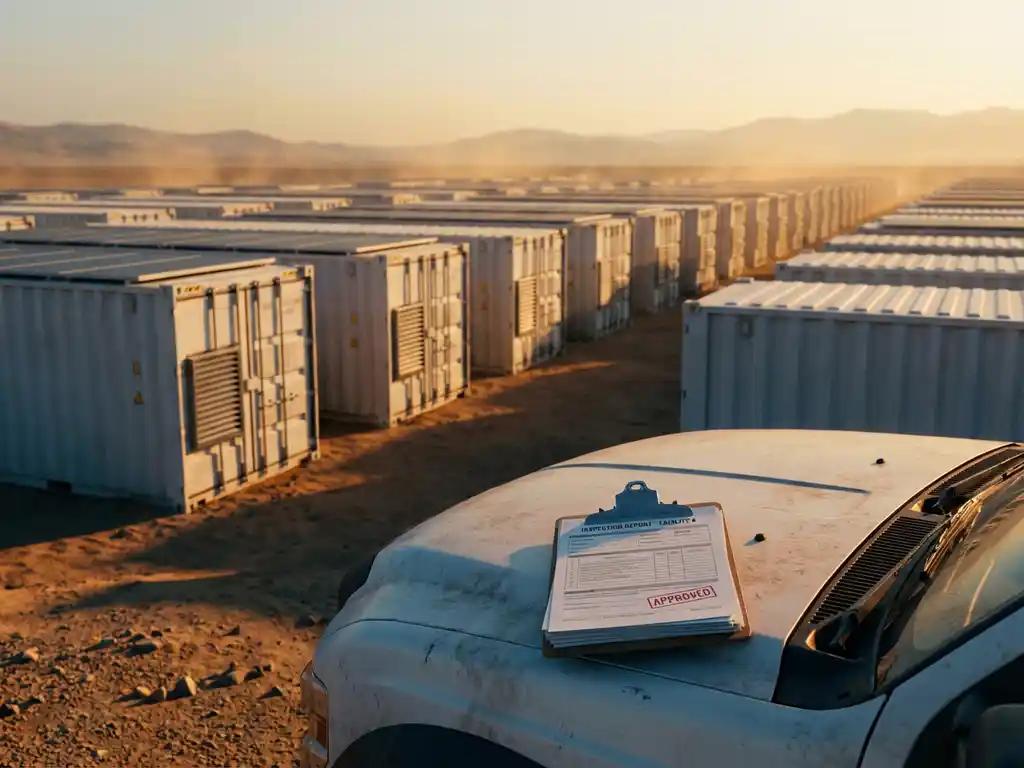
What regulatory changes could affect BESS bankability?
Battery Energy Storage Systems (BESS) are transforming the renewable energy landscape, but their bankability depends heavily on evolving regulatory frameworks. As these systems become critical infrastructure for grid stability and renewable energy integration, regulatory changes can significantly affect investment decisions, financing costs, and project viability.
Understanding how regulatory shifts affect BESS bankability is essential for investors, project developers, and stakeholders in the energy storage sector. From safety standards to market participation rules, regulatory changes can either accelerate or hinder the deployment of battery storage projects.
What is BESS bankability, and why do regulations matter?
BESS bankability refers to the ability of battery energy storage projects to secure financing from banks and investors based on their risk profile and revenue predictability. Regulations matter because they directly influence project risks, operational requirements, and revenue streams, which determine whether lenders will finance these investments.
Bankable BESS projects must demonstrate clear pathways to regulatory compliance, predictable operating conditions, and stable revenue mechanisms. When regulations change, they can affect multiple aspects of project bankability. Safety regulations affect insurance costs and technical requirements, while grid codes determine how systems can participate in energy markets. Market rules affect revenue potential through frequency regulation, capacity markets, and energy arbitrage opportunities.
Regulatory uncertainty creates financing challenges because lenders need to assess long-term risks over typical project lifespans of 15–20 years. Clear, stable regulatory frameworks reduce perceived risks and lower financing costs, while frequent changes or unclear requirements can make projects unbankable. The interconnected nature of energy storage systems and grid operations means that regulatory changes in one area often cascade, affecting multiple aspects of project economics and technical requirements.
Which regulatory changes are currently affecting BESS projects?
Current regulatory changes affecting BESS projects include updated safety standards, revised grid connection requirements, new market participation rules, and evolving environmental regulations. These changes vary by jurisdiction but generally focus on integrating battery storage into existing energy frameworks while addressing safety and grid stability concerns.
Safety regulations are becoming more stringent following high-profile battery incidents globally. Many jurisdictions are implementing enhanced fire safety requirements, thermal runaway prevention standards, and emergency response protocols. These changes affect project costs and insurance requirements, directly affecting bankability.
Grid connection standards are evolving to accommodate the unique characteristics of battery storage systems. New requirements often include enhanced grid support functions, improved communication protocols, and stricter performance standards for frequency and voltage regulation. Market participation rules are also changing as regulators recognize the unique value proposition of battery storage in providing multiple grid services simultaneously.
Environmental regulations increasingly address battery lifecycle management, including manufacturing standards, end-of-life recycling requirements, and environmental impact assessments. These changes can affect project development timelines and operational costs, influencing overall project economics and financing decisions.
How do grid code changes affect BESS financing decisions?
Grid code changes affect BESS financing decisions by altering technical requirements, revenue opportunities, and compliance costs that directly affect project economics and risk profiles. New grid codes can either enhance or limit the revenue potential of battery storage systems, depending on how they structure market participation and grid service requirements.
Technical compliance requirements from updated grid codes often necessitate additional equipment or system modifications, increasing capital expenditures. These changes can affect project returns and financing terms, as lenders must factor in compliance costs and potential future modifications. Enhanced grid support requirements may increase revenue opportunities through ancillary services markets, but they also introduce operational complexity and potential performance penalties.
Grid code changes affecting connection procedures and timelines can affect project development schedules and financing arrangements. Delays in grid connection approvals or changes in connection requirements can affect project cash flows and increase development risks. Some grid codes now mandate specific battery technologies or performance characteristics, potentially limiting technology choices and affecting equipment costs.
The frequency and scope of grid code updates also matter for financing decisions. Jurisdictions with stable, predictable grid code evolution are generally more attractive to lenders than those with frequent, unpredictable changes. Clear transition periods and grandfathering provisions for existing projects help maintain investor confidence and project bankability.
What safety regulations could affect BESS insurance costs?
Safety regulations affecting BESS insurance costs include fire prevention and suppression requirements, thermal runaway mitigation standards, emergency response protocols, and facility design specifications. Stricter safety standards can increase compliance costs but may reduce insurance premiums by lowering risk profiles.
Fire safety regulations are particularly significant for insurance costs, as battery fires represent one of the primary risks for BESS installations. Requirements for advanced fire suppression systems, thermal monitoring, and emergency response procedures directly affect both capital costs and ongoing insurance premiums. Insurance providers often offer lower premiums for installations with comprehensive thermal runaway prevention systems or may refuse coverage for systems lacking adequate safety measures.
Facility design requirements, including separation distances, ventilation systems, and structural fire ratings, affect both construction costs and insurance assessments. Enhanced monitoring and control system requirements can increase project costs but may reduce insurance premiums by enabling early detection and response to potential issues.
Regulatory requirements for operator training, maintenance protocols, and emergency response planning also influence insurance costs. Well-defined safety procedures and qualified personnel reduce operational risks, which insurers typically recognize through lower premiums. Conversely, jurisdictions with unclear or inadequate safety regulations may face higher insurance costs due to increased uncertainty about risk exposure.
How are market participation rules changing for battery storage?
Market participation rules for battery storage are evolving to recognize the unique capabilities of these systems to provide multiple grid services simultaneously, with new frameworks for revenue stacking, faster response requirements, and enhanced market access. These changes generally improve revenue potential but may introduce new compliance requirements and operational complexity.
Revenue stacking rules are being updated to allow battery storage systems to participate in multiple markets simultaneously, such as energy arbitrage, frequency regulation, and capacity markets. This evolution recognizes that batteries can provide multiple services at once, unlike traditional generation resources. However, new rules often include complex allocation requirements and performance standards that affect operational strategies and revenue predictability.
Market timing and response requirements are becoming more sophisticated to leverage the fast response capabilities of battery systems. New rules often include shorter dispatch intervals, faster ramp rates, and more precise control requirements. While these changes can increase revenue opportunities, they also require more advanced control systems and may increase operational complexity.
Market access rules are expanding to include new categories of grid services specifically designed for energy storage capabilities. These may include services such as synthetic inertia, black-start capability, and congestion management. However, qualification requirements for these new services can be complex and may require additional equipment or certifications that affect project costs and timelines.
What environmental regulations could affect BESS development?
Environmental regulations affecting BESS development include battery lifecycle management requirements, recycling mandates, land use restrictions, and environmental impact assessment protocols. These regulations can affect project costs, development timelines, and operational requirements throughout the project lifecycle.
Battery lifecycle regulations are increasingly comprehensive, covering manufacturing standards, transportation requirements, operational monitoring, and end-of-life management. New requirements for battery passport systems, supply chain transparency, and recycling targets can affect equipment selection and project economics. Some jurisdictions are implementing extended producer responsibility frameworks that assign lifecycle costs to battery manufacturers or project developers.
Land use and environmental impact regulations vary significantly by location but can affect project siting, permitting timelines, and development costs. Requirements for environmental impact assessments, wildlife protection measures, and visual impact studies can extend development timelines and increase project costs. Some jurisdictions have specific zoning requirements for battery storage facilities that limit available sites or require additional approvals.
Emerging regulations around critical mineral sourcing and supply chain sustainability are beginning to affect battery procurement decisions. Requirements for conflict-free minerals, labor standards, and environmental impacts in battery supply chains can influence technology choices and supplier selection, potentially affecting project costs and timelines.
How Solarif helps with BESS bankability challenges
We specialize in navigating the complex regulatory landscape affecting BESS bankability through our comprehensive insurance brokerage and risk management services. With over 15 years of experience in renewable energy projects and 3.8 GW of capacity insured, we understand how regulatory changes affect project financing and insurance requirements.
Our BESS bankability support includes:
- Tailored insurance solutions that address evolving safety and operational requirements
- Risk assessments that help lenders understand regulatory compliance and project viability
- Ongoing regulatory monitoring to anticipate changes affecting project economics
- Technical inspections and quality assurance to meet insurer and regulatory standards
- Matchmaking services connecting investors with compliant, bankable BESS projects
Ready to ensure your BESS project meets bankability requirements? Contact our renewable energy insurance experts today for a comprehensive risk assessment and regulatory compliance strategy.
Insurance and inspection needs for your BESS?
Contact us today if you want to know more about the possibilities in BESS insurance and Scope inspections.
📧 Email: support@solarif.com
☎️ Phone: +31 (0)26 711 5050