


What security measures do solar farms need?
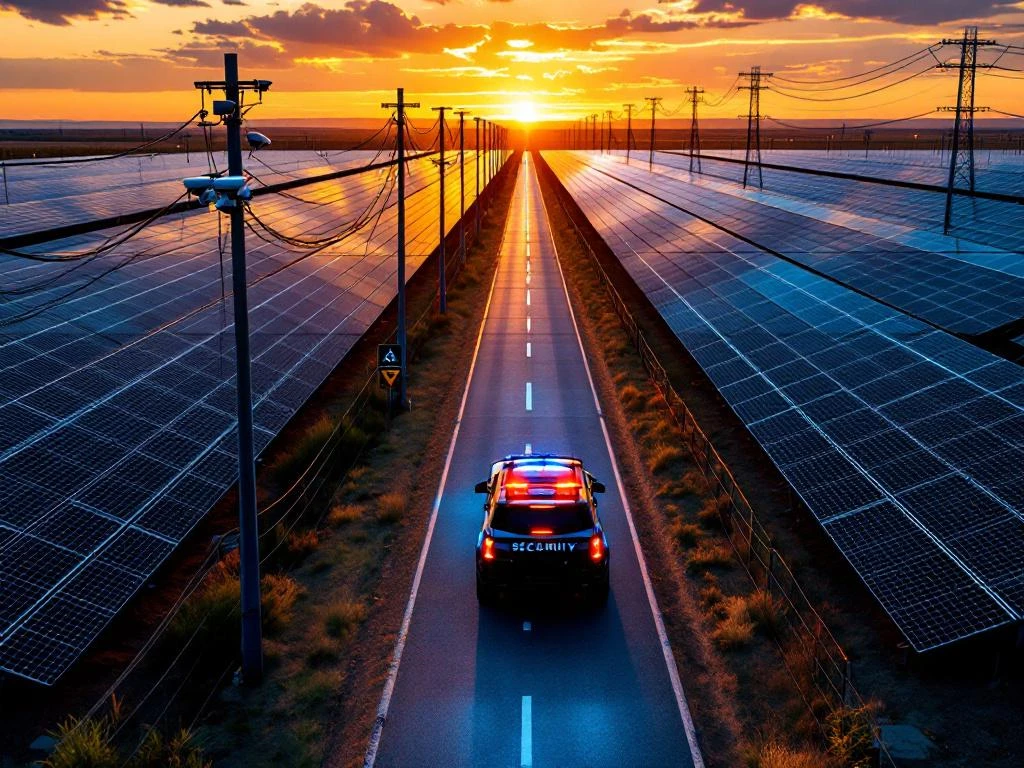
Solar farms require comprehensive security measures to protect valuable equipment and ensure uninterrupted operations. Security threats include equipment theft, copper wire theft, vandalism, trespassing, and cyberattacks on monitoring systems. Effective protection combines physical barriers, surveillance technology, theft prevention systems, and cybersecurity protocols to safeguard these significant investments.
What are the main security threats solar farms face?
Solar farms face five primary security threats that can disrupt operations and cause significant financial losses. Equipment theft targets valuable components like inverters and panels, while copper wire theft specifically focuses on the extensive cabling systems. Vandalism can damage panels and infrastructure, trespassing creates liability risks, and cyberattacks threaten monitoring and control systems.
Equipment theft represents one of the most costly risks for solar installations. Inverters, panels, and electrical components have high resale value and are relatively easy to remove without proper security measures. Thieves often target remote installations during nighttime hours when detection is less likely.
Copper wire theft has become increasingly common as copper prices rise. Solar farms contain extensive DC and AC cabling systems that represent substantial value to thieves. This type of theft not only results in material losses but also creates significant operational downtime and repair costs.
Vandalism can range from minor graffiti to deliberate destruction of panels and equipment. While individual acts may seem minor, accumulated damage affects system performance and requires costly repairs. Remote locations make solar farms particularly vulnerable to this type of damage.
Trespassing creates both security and safety concerns. Unauthorized access can lead to equipment damage, safety incidents, and potential liability issues for operators. High-voltage systems present serious risks to untrained individuals.
Cybersecurity threats target the digital infrastructure that monitors and controls solar farm operations. These attacks can disrupt power generation, compromise data systems, or provide access to broader electrical grid networks.
How does physical security work for solar installations?
Physical security for solar installations relies on layered protection systems that create multiple barriers against unauthorized access. Perimeter fencing forms the first line of defense, followed by access control systems, security lighting, surveillance cameras, and motion detection systems that work together to protect the installation.
Perimeter fencing serves as the primary physical barrier around solar farms. Most installations use chain-link fencing with barbed wire or razor wire extensions. The fence height typically ranges from 6 to 8 feet, with additional security features like anti-climb barriers for high-risk locations.
Access control systems manage entry points through electronic gates, card readers, and keypad systems. These systems create audit trails of who enters and exits the facility while restricting access to authorized personnel only. Remote monitoring capabilities allow operators to control access from off-site locations.
Security lighting illuminates critical areas and perimeter zones to deter intruders and support surveillance systems. LED lighting systems provide energy-efficient operation while offering excellent visibility for security cameras. Motion-activated lighting can startle intruders while alerting security personnel to potential threats.
Surveillance cameras provide continuous monitoring and evidence collection capabilities. Strategic placement covers entry points, equipment areas, and perimeter zones. Modern systems offer high-definition recording with night vision capabilities for 24-hour protection.
Motion detection systems use various technologies, including infrared sensors, microwave detectors, and vibration sensors, to identify unauthorized movement. These systems can trigger alarms, activate lighting, and alert security personnel to potential intrusions.
What surveillance technology do solar farms need?
Solar farms require integrated surveillance technology that provides comprehensive monitoring capabilities across large areas. CCTV systems form the foundation, enhanced by thermal imaging cameras for night detection, drone surveillance for aerial monitoring, and remote monitoring platforms that integrate all security systems into centralized management interfaces.
CCTV systems provide the backbone of solar farm surveillance, with strategically positioned cameras covering critical areas. Modern systems offer high-definition recording, pan-tilt-zoom capabilities, and intelligent analytics that can distinguish between authorized personnel and potential threats. Weather-resistant housings protect cameras from environmental conditions.
Thermal imaging cameras detect heat signatures even in complete darkness, making them valuable for perimeter monitoring during nighttime hours. These cameras can identify human presence at distances of up to several hundred meters, providing early warning of potential intrusions.
Drone surveillance offers aerial monitoring capabilities that complement ground-based systems. Automated drone patrols can cover large areas quickly while providing detailed visual inspection of equipment and infrastructure. Some systems offer autonomous operation with predetermined flight paths and automatic charging stations.
Remote monitoring capabilities allow security personnel to oversee multiple installations from centralized control rooms. Cloud-based platforms provide real-time access to camera feeds, alarm systems, and security analytics from any location with internet connectivity.
Integration with security management platforms creates unified control systems that coordinate all security technologies. These platforms can automatically respond to threats by activating lighting, sending alerts, and directing cameras to focus on specific areas of concern.
How do you prevent copper theft at solar farms?
Preventing copper theft requires specific strategies that protect valuable copper components through cable protection systems, underground installation methods, and specialized anti-theft devices. These measures make copper theft more difficult and less profitable while reducing the overall attractiveness of the installation to thieves.
Cable protection systems include conduit installation, cable trays, and protective housings that make copper wiring less accessible. Underground cable runs provide the highest level of protection but require significant initial investment. Above-ground installations can use armored conduit or enclosed cable trays to deter theft attempts.
Underground installation methods place DC and AC cables below ground level, where they are protected from theft and vandalism. While more expensive initially, underground systems eliminate visible copper targets and require significant excavation efforts that deter most thieves.
Specialized anti-theft devices include cable locks, tamper-evident seals, and alarm systems that trigger when cables are disturbed. Some systems use fiber optic sensing technology that detects vibrations or movement along cable runs, providing immediate alerts when theft attempts occur.
Design considerations can reduce copper theft risks by minimizing exposed cable runs and using alternative materials where possible. Aluminum conductors offer similar performance characteristics with lower scrap value, making them less attractive to thieves.
Regular inspections help identify vulnerable areas and signs of attempted theft before significant losses occur. Security patrols should focus on cable routes and connection points where copper is most accessible to potential thieves.
What cybersecurity measures protect solar farm operations?
Solar farm cybersecurity requires network security protocols, SCADA system protection, secure communication channels, and comprehensive cybersecurity best practices. These measures protect monitoring systems, prevent unauthorized access to control systems, and maintain the integrity of operational data and communications.
Network security protocols include firewalls, intrusion detection systems, and network segmentation that isolates critical control systems from external threats. Virtual private networks (VPNs) provide secure remote access for authorized personnel while maintaining network security.
SCADA system protection involves securing supervisory control and data acquisition systems that monitor and control solar farm operations. This includes regular software updates, access controls, and network isolation to prevent unauthorized access to critical control functions.
Secure communication channels encrypt data transmission between solar farm components and monitoring centers. This prevents interception of sensitive operational data and ensures the integrity of control commands sent to field equipment.
Cybersecurity best practices include regular password updates, multi-factor authentication, employee training, and incident response procedures. Regular security audits help identify vulnerabilities and ensure that protection measures remain effective against evolving threats.
System monitoring tools continuously scan for unusual network activity, unauthorized access attempts, and potential security breaches. Automated alert systems notify security personnel of potential threats, enabling rapid response to cybersecurity incidents.
How Solarif helps with solar farm security planning
We provide comprehensive security planning services that address all aspects of solar farm protection through specialized inspections, security consultation, insurance coverage, and integrated protection strategies. Our approach combines physical security measures with cybersecurity protocols and insurance solutions to create complete protection for your solar investments.
Our security planning services include:
- Security assessment through specialized inspections – We evaluate your specific security threats and identify protection priorities through our inspection services.
- Security system design consultation – Our experts recommend optimal combinations of physical and digital security measures.
- Insurance coverage coordination – We arrange comprehensive coverage that protects against theft, vandalism, and cyber threats.
- Compliance verification – Our inspection services ensure your installation meets insurer security requirements.
- Ongoing security monitoring support – We help coordinate security services and incident response procedures.
As an insurance broker specializing in renewable energy projects, we understand how security measures directly impact insurance coverage and premiums. Our integrated approach ensures your security investments provide maximum protection while meeting all insurance requirements.
Contact our security specialists today to develop a comprehensive protection strategy for your solar farm that combines effective security measures with optimal insurance coverage.
Insurance and inspection needs for your BESS?
Contact us today if you want to know more about the possibilities in BESS insurance and Scope inspections.
📧 Email: support@solarif.com
☎️ Phone: +31 (0)26 711 5050