



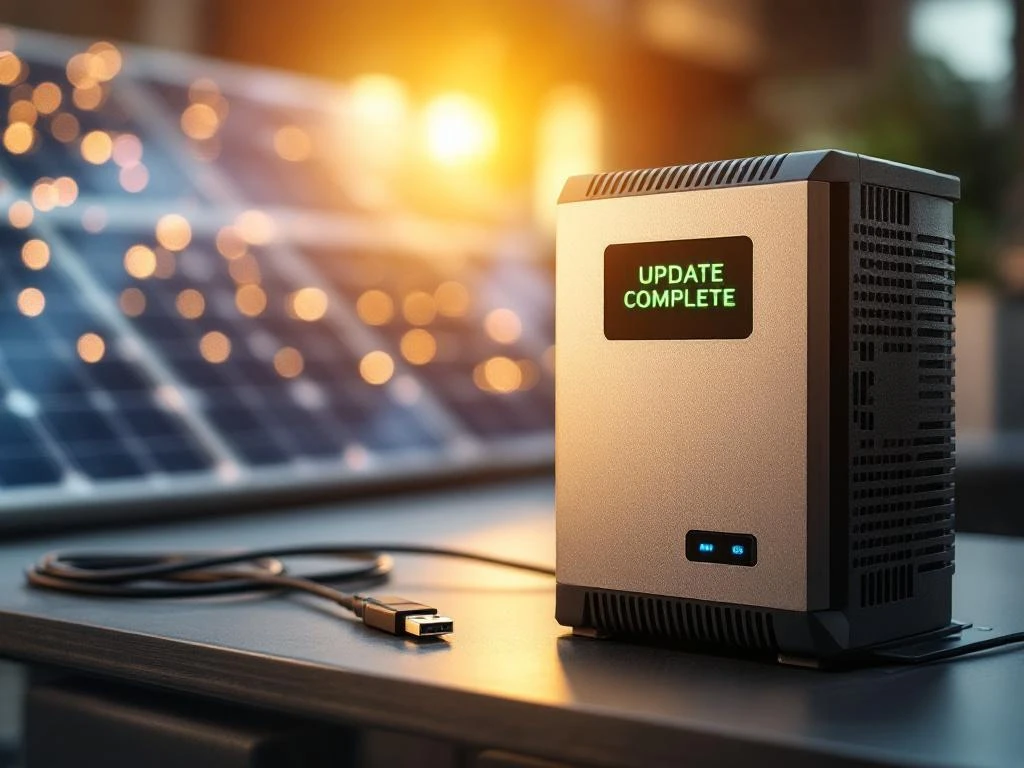
Why are firmware updates important for inverters?
Firmware updates for solar inverters are software improvements that enhance performance, fix bugs, and ensure grid compliance. These updates optimize energy conversion efficiency, strengthen cybersecurity, and maintain compatibility with evolving grid standards. Regular inverter firmware updates protect your renewable energy investment and maximize system performance.
What exactly are firmware updates for solar inverters?
Firmware updates are software modifications that improve your solar inverter’s operating system and control functions. Unlike hardware components you can physically touch, firmware is the embedded software that controls how your inverter converts DC power from solar panels into AC power for the electrical grid.
Think of firmware as your inverter’s brain. It manages power conversion algorithms, safety protocols, grid communication, and monitoring systems. When manufacturers release firmware updates, they are essentially upgrading this brain with improved instructions, better decision-making capabilities, and enhanced protection features.
Your inverter’s firmware controls everything from maximum power point tracking to grid synchronization. Modern inverters are sophisticated computers that require regular software maintenance, just like any other digital device in your renewable energy system.
Why do solar inverters need firmware updates in the first place?
Solar inverters require firmware updates to address security vulnerabilities, improve performance algorithms, and maintain compliance with changing grid codes. Updates also fix operational bugs, enhance monitoring capabilities, and ensure compatibility with new solar equipment and smart grid technologies.
Grid requirements constantly evolve as utility companies adapt to increasing renewable energy penetration. Your inverter must comply with these changing standards to maintain grid connection authorization. Firmware updates ensure your system meets current voltage ride-through requirements, frequency response standards, and power quality specifications.
Security represents another critical driver of updates. Connected inverters face cybersecurity threats that did not exist when older firmware versions were developed. Updates patch vulnerabilities and strengthen communication protocols to protect your solar investment from potential cyberattacks.
Performance improvements often accompany updates. Manufacturers refine power conversion algorithms, optimize inverter efficiency under various conditions, and enhance fault detection capabilities based on field data and technological advances.
What happens if you don’t update your inverter’s firmware?
Neglecting firmware updates can result in reduced energy production, security vulnerabilities, grid compliance violations, and potential system shutdowns. Outdated firmware may also void warranties, limit remote monitoring capabilities, and prevent integration with newer solar system components.
Grid operators may require disconnection if your inverter fails to meet current standards. This scenario becomes particularly problematic when utility companies update their grid protection requirements. Your system might automatically shut down to prevent grid interference, resulting in lost energy production until you complete the necessary updates.
Cybersecurity risks increase significantly with outdated firmware. Unpatched vulnerabilities could allow unauthorized access to your inverter’s control systems, potentially compromising system performance or creating safety hazards. Remote monitoring systems may also become unreliable or completely inaccessible.
Insurance implications deserve consideration as well. Some commercial solar insurance policies require maintaining current firmware versions. Failure to update could potentially affect coverage during equipment failure claims or performance disputes.
How often should you update your solar inverter firmware?
Most solar inverter manufacturers recommend checking for firmware updates quarterly and installing them within six months of release. Critical security patches should be applied immediately, while performance updates can follow a more measured schedule based on system stability and operational requirements.
Update frequency depends on several factors, including inverter age, grid connection requirements, and manufacturer support policies. Newer inverters typically receive more frequent updates as manufacturers refine their software based on field performance data.
Commercial solar projects often establish formal update schedules during maintenance planning. Many operators prefer updating during low-production periods to minimize energy loss. Spring and autumn typically offer optimal timing for non-critical updates when production impacts are minimized.
Consider your system’s operational criticality when planning updates. Revenue-generating installations may require more conservative update approaches, testing new firmware on non-critical systems before widespread deployment.
Who should handle inverter firmware updates and maintenance?
Certified solar technicians or manufacturer-authorized service providers should handle most inverter firmware updates. While some manufacturers offer remote update capabilities, professional installation ensures proper testing, backup procedures, and compliance verification for commercial renewable energy systems.
Update complexity varies significantly between inverter models and manufacturers. Simple updates might involve downloading files through monitoring portals, while complex updates may require specialized software, direct inverter access, and comprehensive system testing.
Warranty considerations often dictate professional installation requirements. Many manufacturers require certified technicians to perform updates on commercial systems to maintain warranty coverage. Improper update procedures could void equipment warranties or create liability issues.
Professional technicians also provide valuable services beyond basic updates. They verify grid compliance, test system performance post-update, and document changes for insurance and regulatory requirements. This documentation is particularly important for commercial solar installations subject to regular inspections and performance monitoring.
How Solarif helps with inverter maintenance and updates
We support solar inverter maintenance and updates through our comprehensive risk management and inspection services. Our network of certified technicians ensures your renewable energy systems maintain optimal performance while meeting all insurance and regulatory requirements.
Our services include:
- Scope 12 inspections that verify proper inverter operation and firmware compliance
- Risk assessment services that identify potential maintenance issues before they impact performance
- Connection with qualified maintenance providers through our extensive partner network
- Insurance support that protects your investment during maintenance and update procedures
As an insurance broker specializing in renewable energy projects, we understand how proper maintenance affects coverage and claims. Our inspection services help document system conditions and ensure your inverter updates meet insurer requirements for commercial solar installations.
Ready to ensure your solar inverters receive proper maintenance and updates? Contact our renewable energy insurance specialists to discuss comprehensive protection and maintenance support for your solar investment.
Insurance and inspection needs for your BESS?
Contact us today if you want to know more about the possibilities in BESS insurance and Scope inspections.
📧 Email: support@solarif.com
☎️ Phone: +31 (0)26 711 5050