



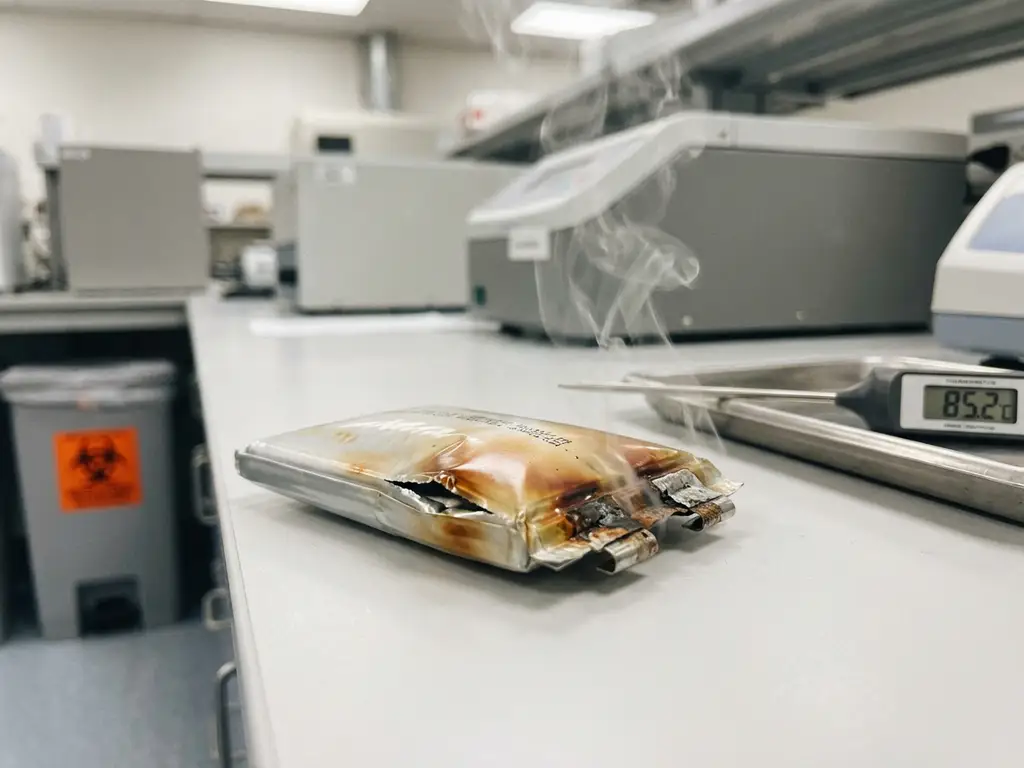
Why do lithium-ion batteries pose safety risks?
Lithium-ion batteries power everything from smartphones to massive energy storage systems, but their widespread adoption has raised important safety concerns. While these batteries offer exceptional energy density and performance, they also present unique risks that require careful understanding and management. For businesses investing in solar energy storage or battery energy storage systems (BESS), recognizing these safety hazards is crucial to protecting both assets and people.
The rapid growth of renewable energy storage has made lithium-ion battery safety a critical concern for project developers, investors, and insurance professionals. Understanding these risks helps stakeholders make informed decisions about battery technology selection, safety protocols, and risk management strategies.
What makes lithium-ion batteries potentially dangerous?
Lithium-ion batteries pose safety risks primarily due to their high energy density, chemical reactivity, and sensitivity to thermal conditions. These batteries store large amounts of energy in compact spaces, and when this energy is released uncontrollably, it can lead to fires, explosions, or toxic gas emissions.
The main safety concerns stem from the battery’s chemical composition and operating characteristics. Lithium-ion cells contain flammable electrolytes and operate at relatively high voltages. When damaged or improperly handled, they can experience rapid heating, gas generation, and potential ignition. Different lithium-ion chemistries present varying risk levels, with some variants, such as nickel manganese cobalt (NMC), being more thermally sensitive than lithium iron phosphate (LFP) batteries.
Manufacturing defects, physical damage, overcharging, or exposure to extreme temperatures can trigger dangerous reactions. Unlike traditional lead-acid batteries, lithium-ion batteries cannot simply be disconnected to stop a dangerous situation once it begins. The stored chemical energy can continue to fuel thermal events even after electrical disconnection.
What is thermal runaway and how does it happen?
Thermal runaway is a dangerous chain reaction in which a lithium-ion battery cell generates heat faster than it can dissipate it, causing temperatures to rise uncontrollably. This process can lead to fire, explosion, and the release of toxic gases, making it the most serious safety risk associated with lithium-ion batteries.
The thermal runaway process begins when a battery cell reaches a critical temperature, typically around 130–150°C, depending on the chemistry. At this point, exothermic chemical reactions start within the cell, generating additional heat. As temperatures continue to rise, the battery’s separator membrane breaks down, allowing direct contact between the positive and negative electrodes. This creates internal short circuits that generate even more heat.
The escalating temperatures cause the electrolyte to decompose, releasing flammable gases such as hydrogen, carbon monoxide, and various hydrocarbons. If these gases ignite, they create intense fires that can reach temperatures exceeding 1,000°C. The heat from one cell experiencing thermal runaway can trigger the same reaction in adjacent cells, creating a cascading failure throughout the battery pack.
What makes thermal runaway particularly dangerous is its self-sustaining nature. Once initiated, the reaction continues regardless of external power sources or cooling attempts. This is why proper battery management systems (BMS) and thermal management are essential components of any lithium-ion battery installation.
What are the main causes of lithium-ion battery failures?
Lithium-ion battery failures typically result from physical damage, electrical abuse, thermal stress, manufacturing defects, or age-related degradation. Understanding these failure modes helps identify prevention strategies and proper handling procedures for battery storage systems.
Physical damage represents one of the most common causes of failure. This includes punctures, crushing, or impacts that compromise the battery’s internal structure. Even minor physical damage can create internal short circuits or damage the separator membrane, potentially leading to thermal runaway. In large-scale energy storage installations, proper handling during transportation and installation is crucial.
Electrical abuse occurs through overcharging, over-discharging, or excessive current draw. Overcharging forces more energy into the battery than it can safely store, generating excess heat and potentially causing electrolyte breakdown. Over-discharging can damage the battery’s internal chemistry and create conditions for failure during subsequent charging cycles.
Thermal stress from extreme temperatures significantly affects battery safety and longevity. High temperatures accelerate chemical degradation and increase the risk of thermal runaway, while extremely low temperatures can cause lithium plating and internal damage. Manufacturing defects, though less common among reputable manufacturers, can include contamination, improper assembly, or material flaws that create failure points.
Age-related degradation gradually reduces battery performance and can create safety risks. As batteries cycle through charge and discharge cycles, internal resistance increases and capacity decreases. This degradation can create hot spots and increase the likelihood of failure, particularly in batteries that have exceeded their recommended service life.
How can you prevent lithium-ion battery safety incidents?
Preventing lithium-ion battery safety incidents requires implementing comprehensive battery management systems (BMS), proper thermal management, regular maintenance protocols, and appropriate safety equipment. These preventive measures work together to monitor battery conditions and intervene before dangerous situations develop.
A robust BMS serves as the primary safety system, continuously monitoring individual cell voltages, temperatures, and current flow. The BMS prevents overcharging and over-discharging by controlling the charging process and disconnecting loads when necessary. Advanced BMS can detect early signs of cell degradation or failure and isolate problematic cells before they affect the entire system.
Effective thermal management maintains battery temperatures within safe operating ranges through active cooling systems, proper ventilation, and strategic installation design. This includes both heating and cooling capabilities to handle various environmental conditions. Proper spacing between battery modules allows for heat dissipation and helps prevent thermal propagation between units.
Regular inspection and maintenance protocols help identify potential issues before they become safety hazards. This includes visual inspections for physical damage, thermal imaging to detect hot spots, and electrical testing to verify proper BMS function. Maintenance schedules should follow manufacturer recommendations and industry best practices.
Fire suppression and detection systems provide critical backup protection. These systems should be designed specifically for lithium-ion battery fires, which may require different suppression agents than traditional fires. Early detection systems can alert operators to developing problems and trigger automatic suppression systems when needed.
What safety regulations apply to lithium-ion batteries?
Lithium-ion battery safety regulations vary by application, location, and system size, encompassing international shipping standards, electrical codes, fire safety requirements, and environmental regulations. These regulations establish minimum safety requirements for the design, installation, operation, and disposal of battery systems.
International shipping and transportation regulations, including UN 3480 and UN 3481 standards, govern how lithium-ion batteries must be packaged, labeled, and transported. These regulations address fire risks during shipping and establish requirements for packaging that can contain potential thermal runaway events.
Electrical installation codes, such as the National Electrical Code (NEC) in the United States, provide specific requirements for battery energy storage system installations. These codes address electrical safety, grounding, disconnection methods, and integration with other electrical systems. They also specify requirements for battery management systems and safety monitoring equipment.
Fire safety regulations often require specific fire suppression systems, detection equipment, and building separation requirements for battery installations. Many jurisdictions require notification of the fire department and may mandate specific firefighting procedures for lithium-ion battery installations. Building codes may also specify construction requirements for battery storage areas.
Environmental regulations address proper disposal and recycling of lithium-ion batteries, as well as emergency response procedures for releases of hazardous materials. These regulations ensure that battery systems do not create environmental hazards during normal operation or in emergency situations.
How Solarif helps with lithium-ion battery safety risks
As an insurance broker specializing in renewable energy projects, we understand that lithium-ion battery safety directly affects insurability and project success. We help businesses navigate these complex safety requirements while securing appropriate coverage for their energy storage investments.
Our comprehensive approach to battery storage risk management includes:
- Specialized insurance solutions for battery energy storage systems, including thermal runaway coverage
- Risk assessments that evaluate battery safety systems, installation quality, and operational procedures
- Scope 12 inspections that verify proper installation and safety compliance for commercial solar and storage projects
- Connections to certified safety experts and qualified installation contractors
- Ongoing support to maintain insurance compliance throughout the system lifecycle
We recognize that insurers often require comprehensive thermal runaway prevention systems and may offer lower premiums for installations with proven safety measures. Our expertise helps you understand these requirements and implement solutions that protect both your investment and your insurance coverage.
Ready to secure proper coverage for your energy storage project? Contact our renewable energy insurance experts today for a comprehensive risk assessment and a tailored insurance solution.
Insurance and inspection needs for your BESS?
Contact us today if you want to know more about the possibilities in BESS insurance and Scope inspections.
📧 Email: support@solarif.com
☎️ Phone: +31 (0)26 711 5050