



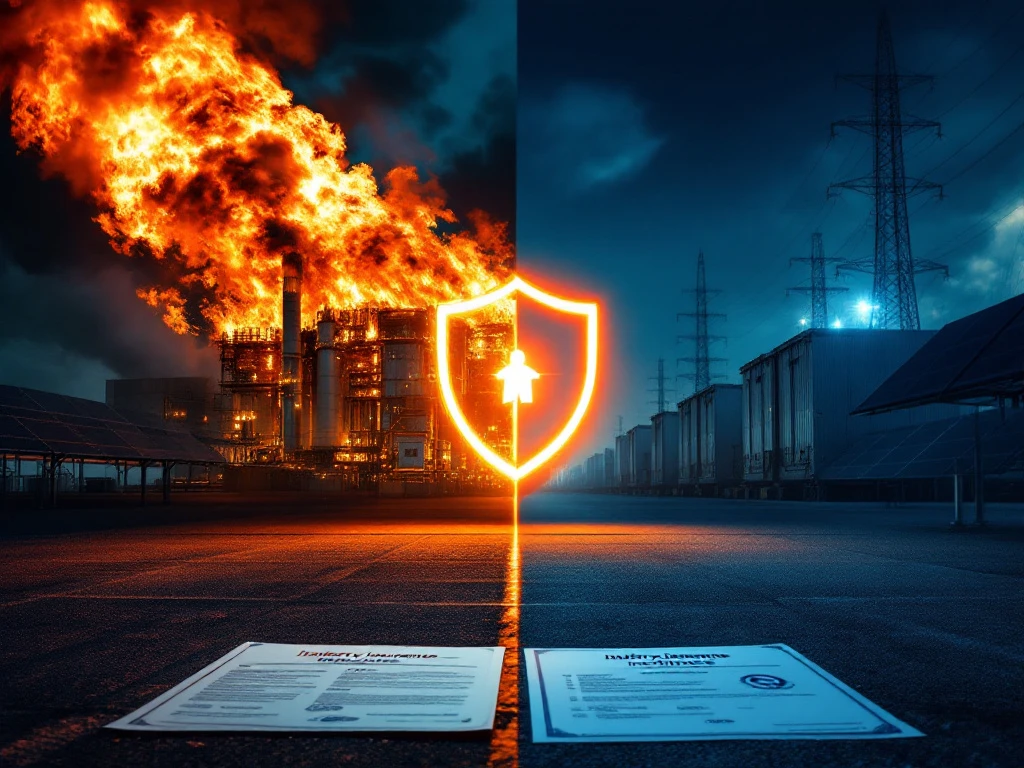
Why is battery storage fire prevention important for insurance?
Battery storage fire prevention is crucial for insurance coverage because fire incidents can result in total system loss, business interruption, and liability claims exceeding millions. Insurance providers require comprehensive fire prevention strategies to assess risk, determine coverage terms, and calculate premiums for energy storage projects. Without proper fire safety measures, battery storage systems face coverage limitations, higher premiums, or complete policy exclusions.
What makes battery storage systems vulnerable to fire risks?
Battery storage systems face multiple fire hazards, with thermal runaway being the most dangerous risk in lithium-ion technology. Thermal runaway in lithium-ion batteries occurs when temperatures reach their critical thermal threshold, which varies depending on the battery chemistry often ranging from around 130°C for NMC cells to up to 250°C for LFP cells. This reaction can cause fires that spread rapidly and release toxic gases such as hydrogen fluoride (HF) and carbon monoxide (CO), triggering a chain reaction that can spread throughout the entire system within minutes.
Electrical faults represent another significant vulnerability. Poor connections, damaged cables, or faulty inverters can create arcs and sparks that ignite surrounding materials. Manufacturing defects in battery cells, including microscopic metal fragments or separator flaws, may not manifest until months after installation but can suddenly trigger catastrophic failures.
Environmental factors compound these risks substantially. Extreme temperatures, humidity fluctuations, and inadequate ventilation stress battery management systems beyond their design limits. Physical damage from impacts, vibration, or water ingress can compromise cell integrity and create unexpected fire pathways. Even seemingly minor installation errors, such as improper spacing between battery modules or inadequate thermal management, transform routine operations into potential fire scenarios that insurance providers scrutinise carefully during risk assessments.
How do battery fires impact insurance claims and coverage?
Battery fires typically result in total loss claims because the intense heat and toxic gases destroy entire storage systems and surrounding infrastructure. Unlike traditional electrical fires, battery storage fires burn extremely hot, spread rapidly between cells, and prove difficult to extinguish, leading to complete facility destruction and extended business interruption periods.
Insurance payouts for battery fire incidents often exceed initial system values due to consequential damages. Business interruption claims can span months whilst replacement systems are sourced and installed. Environmental cleanup costs add substantial expenses, particularly when toxic electrolytes contaminate soil or groundwater. Emergency response costs, including specialised hazmat teams and prolonged fire service attendance, further inflate total claim amounts.
These high-value, complex claims directly influence policy terms and coverage availability. Insurers increasingly implement battery-specific exclusions, require higher deductibles for fire-related claims, or mandate co-insurance arrangements. Premium calculations now factor battery fire frequency and severity data, with projects lacking comprehensive fire prevention facing coverage restrictions or outright policy declinations across the renewable energy insurance market.
What fire prevention measures do insurers require for battery storage?
Insurers mandate automatic fire suppression systems specifically designed for battery storage applications. Traditional sprinkler systems prove inadequate for lithium-ion fires, so insurers require specialised suppression technologies such as aerosol systems, inert gas flooding, or water mist systems capable of cooling battery cells below their critical thermal threshold.
Comprehensive monitoring technologies form essential coverage requirements. Multi-point temperature sensing, smoke detection, and gas monitoring systems must provide early warning capabilities with direct connections to emergency services. Battery management systems require redundant safety controls, automatic disconnect capabilities, and real-time performance monitoring with alert protocols.
Installation requirements include fire-rated enclosures, adequate spacing between battery modules, and proper ventilation systems designed to prevent gas accumulation. Electrical installations must meet enhanced safety standards with arc-fault protection, proper earthing systems, and regular thermal imaging inspections. Emergency response protocols, including staff training and coordination with local fire services familiar with battery fire risks, complete the mandatory safety framework that insurers evaluate during coverage assessments.
Why are regular inspections critical for battery storage insurance?
Regular inspections identify degradation patterns and potential failure modes before they escalate into fire incidents. Battery cells deteriorate over time, with capacity fade, internal resistance increases, and thermal management system wear creating cumulative fire risks that only systematic inspection programmes can detect reliably.
Quality inspections verify that fire prevention systems remain operational and effective. Suppression system testing, detector calibration, and thermal management performance assessments ensure protective measures function correctly when needed. Maintenance schedules based on inspection findings prevent component failures that could compromise safety systems or create new ignition sources.
Compliance monitoring through regular inspections maintains insurance coverage validity. Many policies require documented inspection schedules with certified technicians performing specific safety checks. Inspection reports provide insurers with ongoing risk assessment data, demonstrating that systems operate within safe parameters. Failure to maintain inspection schedules can void coverage, whilst comprehensive inspection programmes often qualify for premium reductions and enhanced policy terms that reflect reduced fire risk exposure.
How does fire prevention affect insurance premiums for energy storage projects?
Comprehensive fire prevention strategies can reduce insurance premiums by 20-40% compared to basic installations because insurers recognise significantly lower risk profiles. Projects with advanced fire suppression, monitoring systems, and proven maintenance programmes qualify for preferred risk categories with corresponding premium reductions and enhanced coverage terms.
Risk assessments heavily weight fire prevention capabilities when calculating premiums. Insurers evaluate suppression system effectiveness, monitoring technology sophistication, and maintenance programme quality to determine appropriate pricing. Projects lacking adequate fire prevention face premium penalties, higher deductibles, or coverage limitations that impact overall project economics.
Long-term project profitability benefits substantially from comprehensive fire prevention investment. Lower insurance costs over project lifespans, reduced business interruption exposure, and maintained coverage availability during market hardening periods provide financial returns that exceed initial fire prevention system costs. Additionally, projects with exemplary fire safety records establish preferred relationships with insurers, accessing better terms for future developments and maintaining coverage availability when market conditions tighten across the renewable energy sector.
Secure Your Battery Storage Insurance Today
Don’t let inadequate fire prevention compromise your energy storage project’s insurance coverage and profitability. Implementing comprehensive fire safety measures now protects your investment and ensures optimal insurance terms. Our team specialises in developing tailored fire prevention strategies that meet insurer requirements whilst maximising your project’s financial performance. Contact us today to discuss your battery storage insurance needs and secure the protection your project deserves.
Insurance and inspection needs for your BESS?
Contact us today if you want to know more about the possibilities in BESS insurance and Scope inspections.
📧 Email: support@solarif.com
☎️ Phone: +31 (0)26 711 5050