


Solarif Articles
Stay informed with the latest insights, and developments in the world of solar energy, insurances, and risk management!
Whether you are a client or an interested party, here you will find our most recent publications, including press releases, insight articles, expert columns, and in-depth whitepapers.
Explore our content and gain valuable insights!
Explore Our Content!
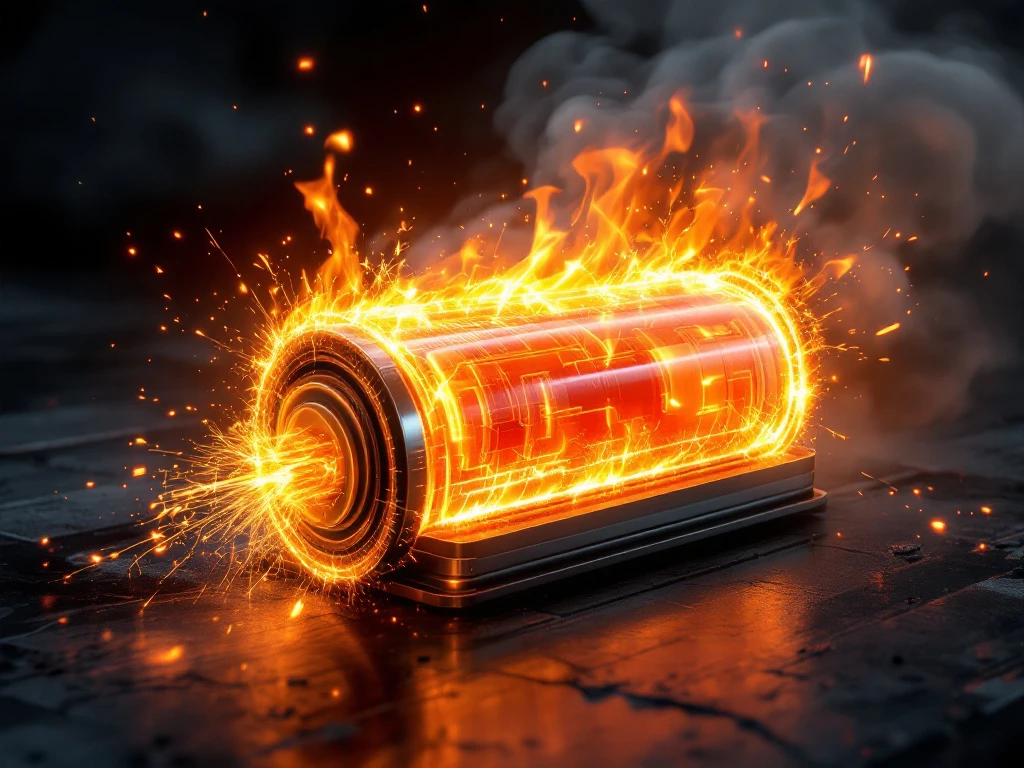
How does thermal runaway cause fires?
Thermal runaway creates devastating battery fires through an uncontrollable chain reaction where lithium-ion cells generate excessive heat, breaking down electrolytes and releasing flammable gases.
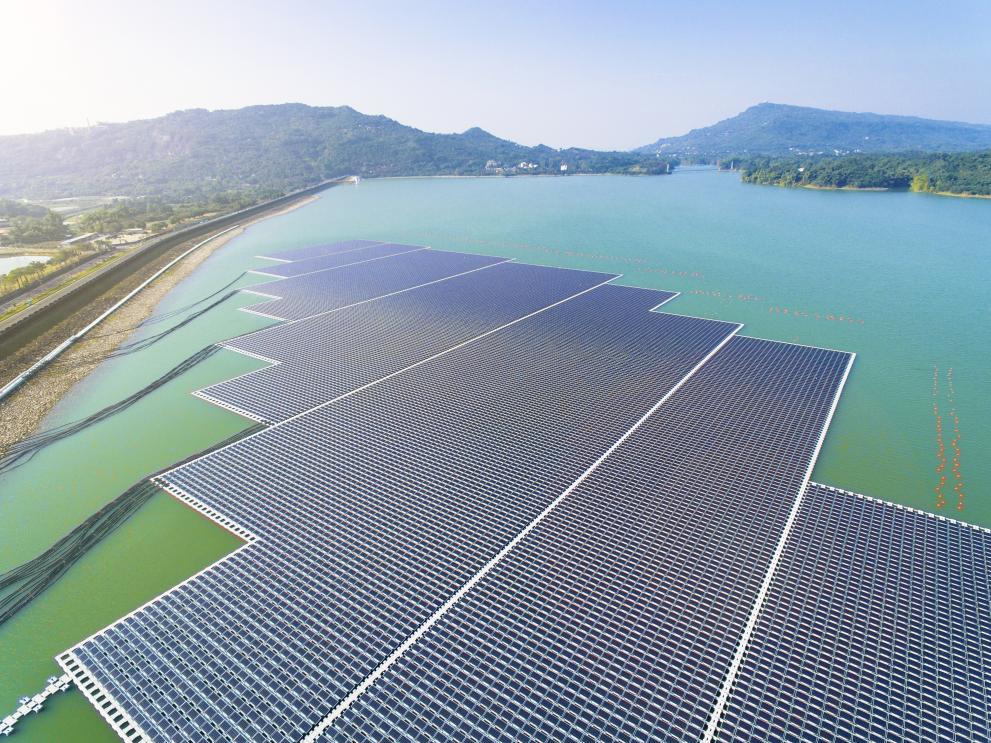
Regulations, permits, and ecological damage: the uncertainty of permitting
Floating Solar faces Total Loss risk from late permit rejection (water quality/leaching) and stringent Ecological Impact Assessment (EIA) requirements (flora/fauna).
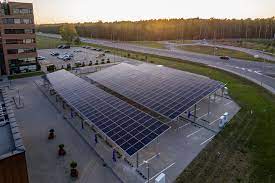
The integrated approach: synergy between carports, EV Charging, and battery storage
Combining PV, EV charging, and storage creates a powerful energy hub but introduces a layered risk structure that requires specialized insurance.
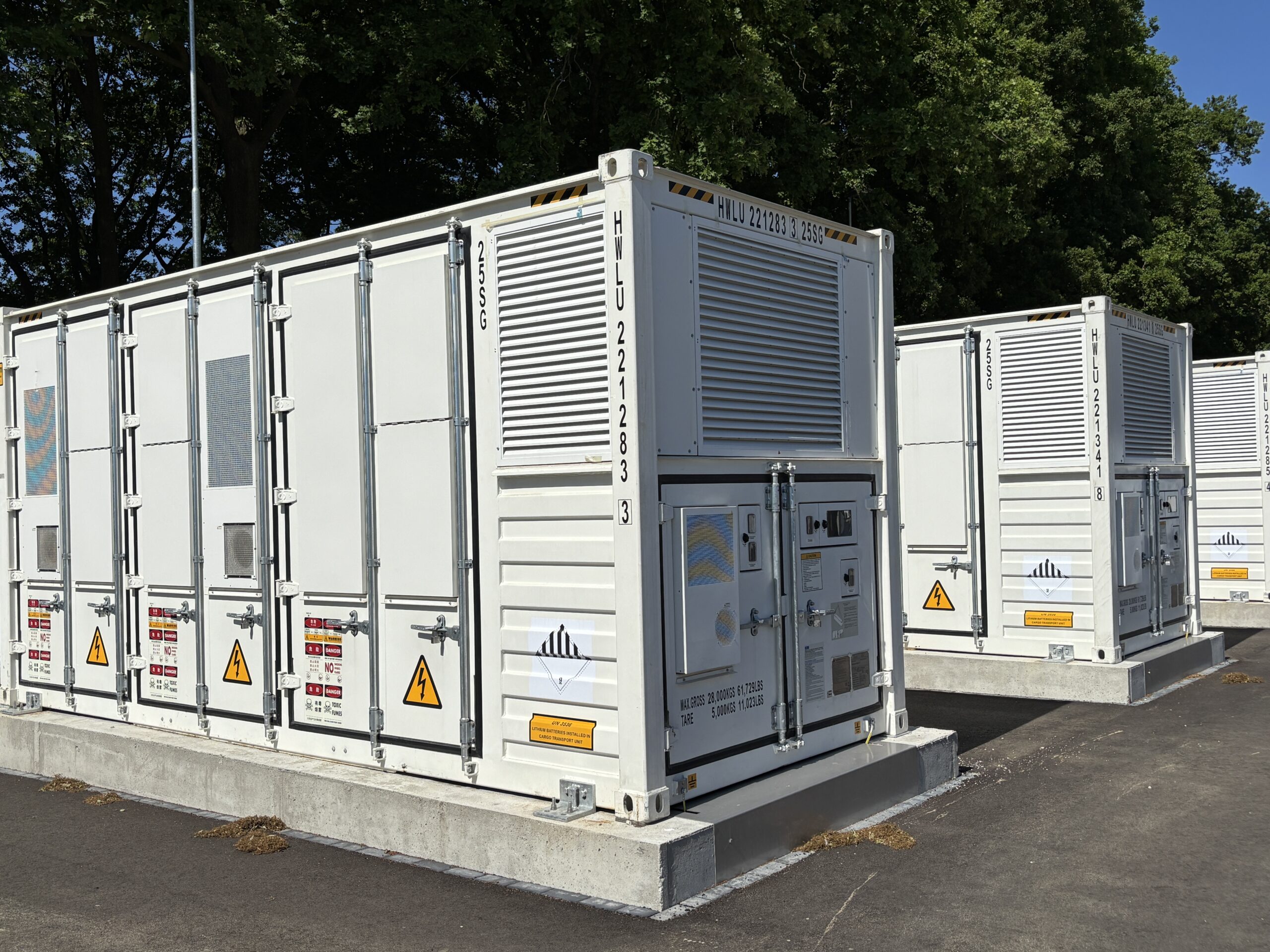
Battery Storage and Cooperatives: Opportunities, Considerations, and Realism
A battery can be a valuable addition, but it is not an obvious solution for every cooperative. Success depends on a thorough assessment of financial and technical feasibility, managed risks, and insurability.
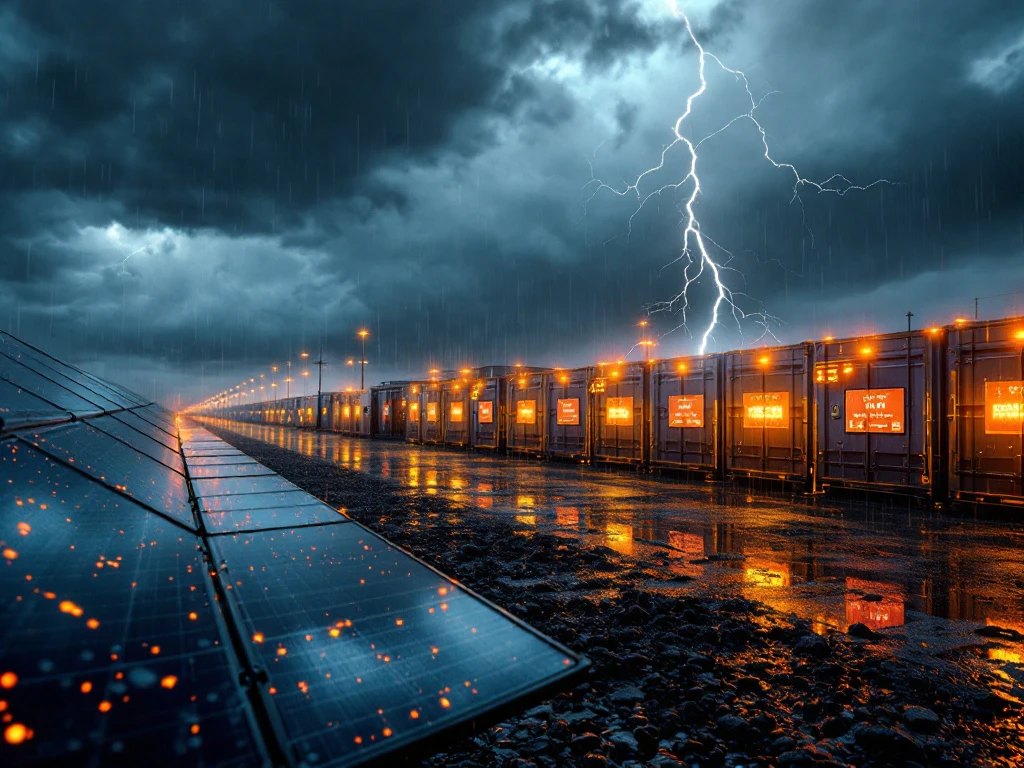
How do weather conditions affect battery storage fire risk?
Weather conditions significantly impact battery storage fire risk through multiple environmental factors. Extreme temperatures, high humidity, precipitation, and severe wind conditions create hazardous environments that can trigger thermal runaway in battery systems. Understanding these weather-related risks helps facilities implement appropriate protective measures to prevent dangerous incidents and maintain safe operations throughout varying seasonal conditions.
How does BESS insurance work for commercial projects?
BESS insurance is vital. Covers TR risk (170°C-210°C), toxic/flammable gases, and cyber threats. Specialized underwriting is required.
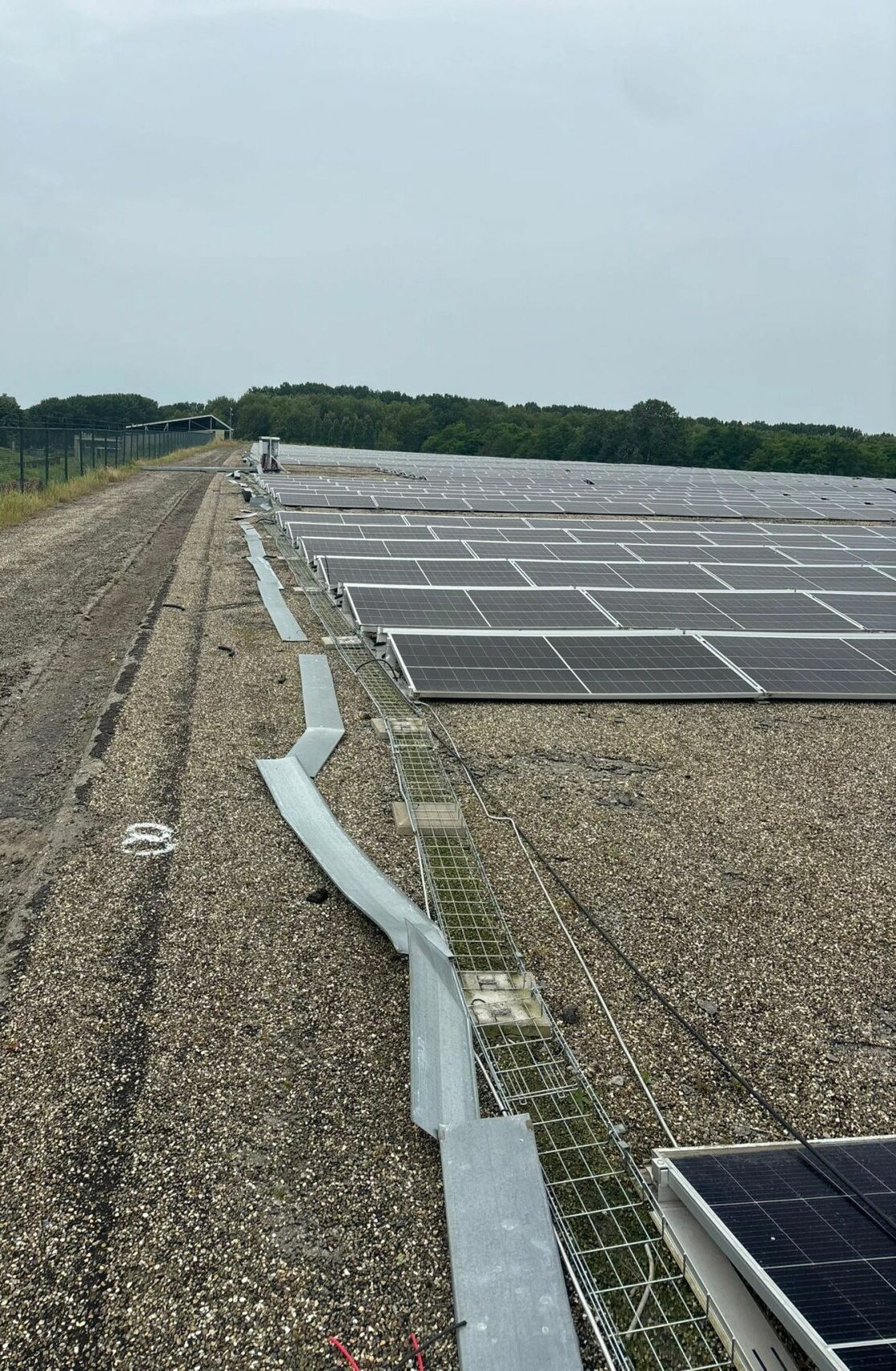
Securing the Investment: Protecting Member Capital Through Construction All Risk (CAR)
For energy cooperatives, the capital used to finance solar or wind projects often comes directly from its members and the local community. Protecting this capital from construction risks is paramount to maintaining member trust and financial viability.
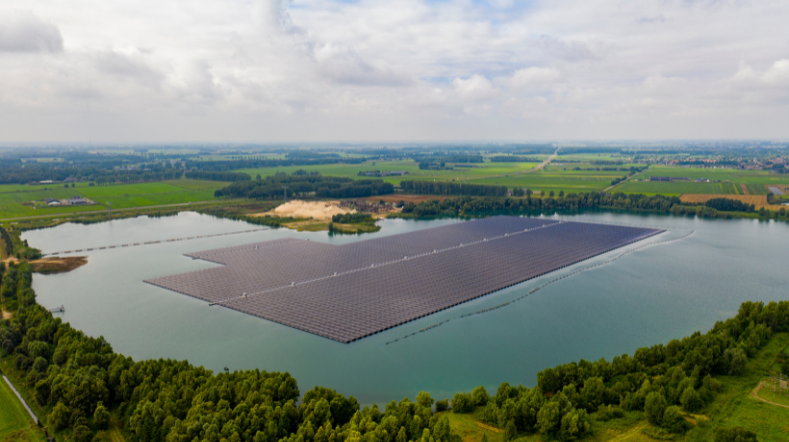
Anchoring and buoyancy: the fight against the forces of nature on the water
The most unique and risky aspect of floating solar, also known as floatovoltaics, is the necessity of keeping the system stable and in place under all weather conditions. The anchoring and buoyancy are the Achilles’ heel of the installation.
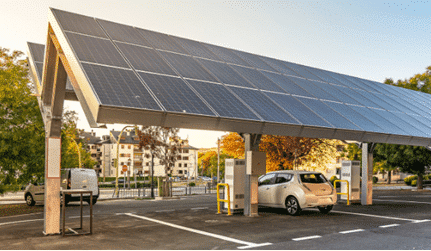
Risk Management in Solar Carports: A blueprint for damage and accident prevention
A carport is constantly exposed to the elements and users. It is essential to employ a risk management strategy that goes beyond just a standard construction insurance policy.
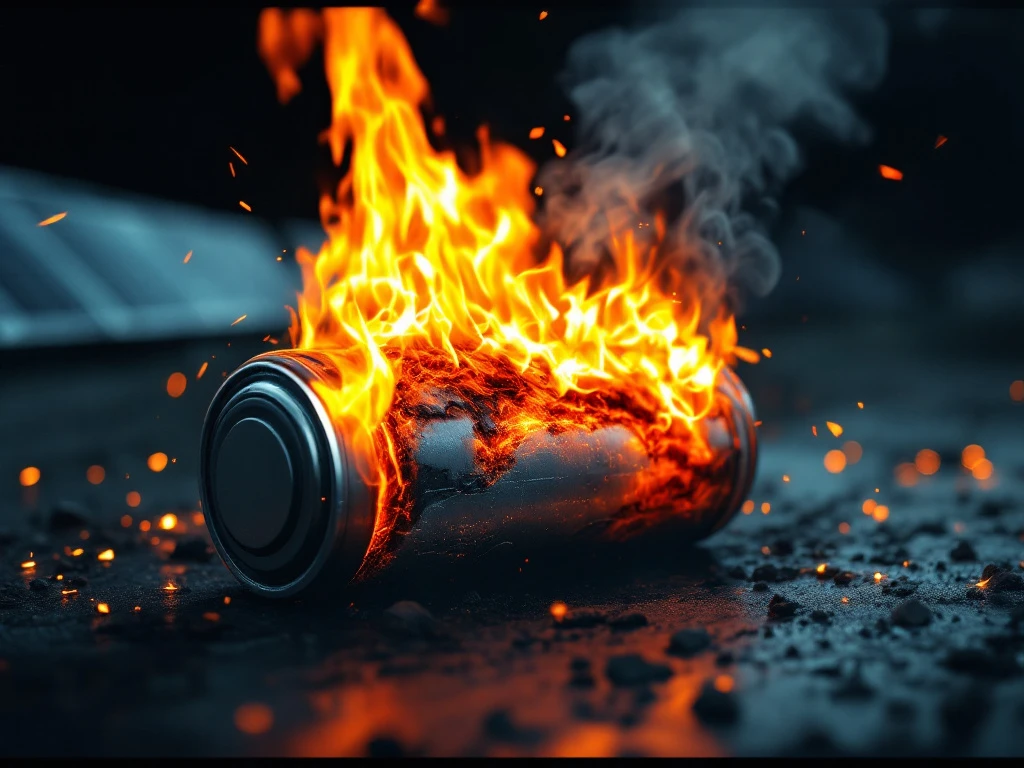
How do lithium-ion battery fires start?
Li-ion fires start via thermal runaway (e.g., 130°C+), triggered by defects/overcharge. High heat, toxic gas (HF), and propagation necessitate robust BMS and cooling.
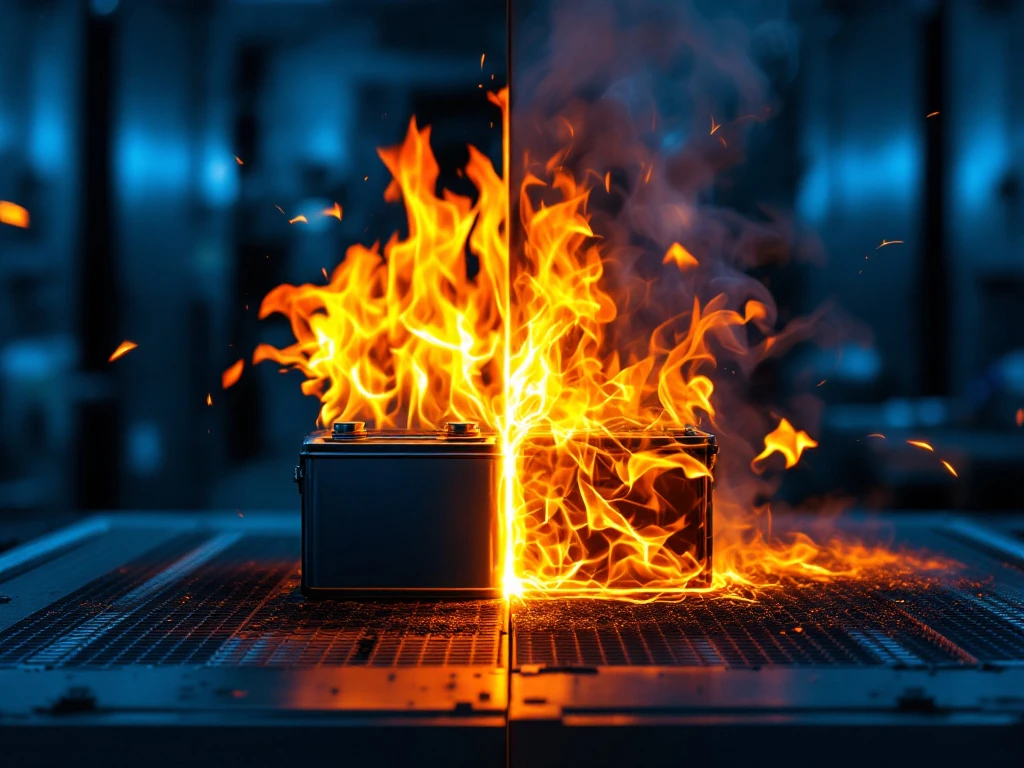
What is the difference between lithium-ion and lead-acid battery fire risks?
Li-ion fire risk is high due to thermal runaway (130°C+) and oxygen release. Lead-acid risks are primarily hydrogen gas and acid spills, not cascading thermal events.

How safe are battery storage facilities?
BESS safety is high due to BMS and multi-layered protection. Risks include thermal runaway and toxic gas (HF, CO) release, requiring specialized cooling and UL 9540A spacing.