



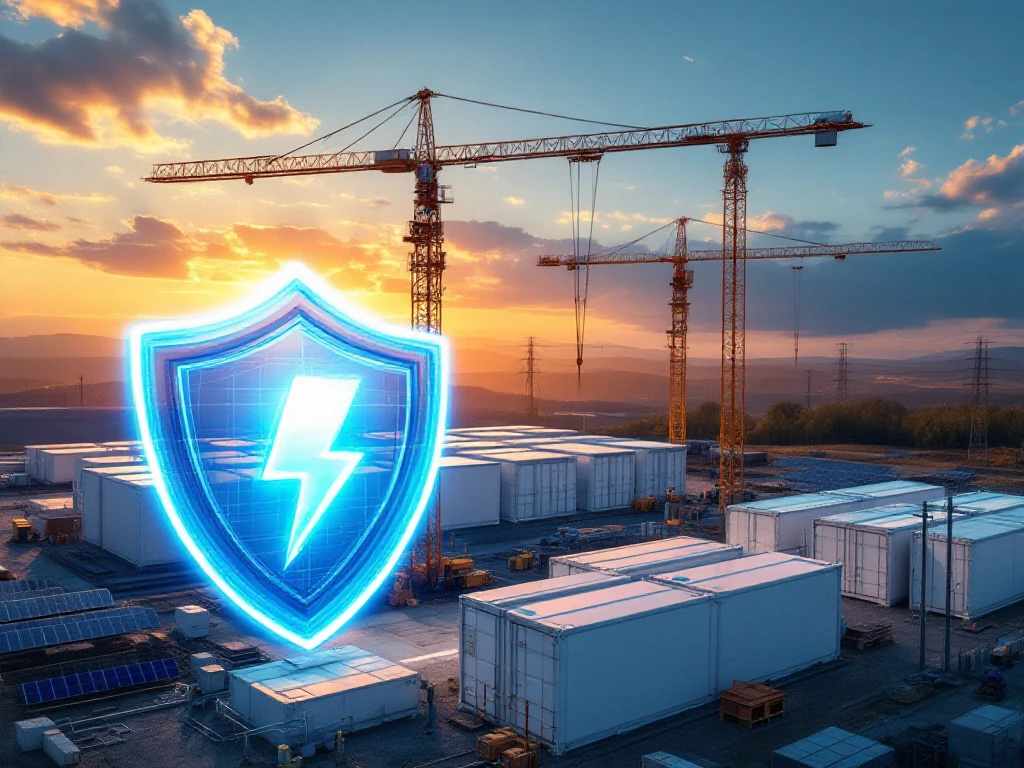
Moet je een BESS-verzekering afsluiten voordat de bouw begint?
Ja, beveiligen BESS verzekering Voor de meeste energieopslagprojecten is het ten zeerste aan te raden om een verzekering af te sluiten voordat de bouw begint. Dekking vóór de bouw beschermt tegen schade aan apparatuur, vertragingen door het weer en aansprakelijkheid van aannemers en zorgt tegelijkertijd voor een naadloze goedkeuring van de financiering. Vroeg beginnen met verzekeren voorkomt hiaten in de dekking en biedt vaak betere voorwaarden dan wachten tot de bouw begint.
Wat is een BESS-verzekering en waarom hebben energieopslagprojecten die nodig?
BESS verzekering biedt gespecialiseerde dekking voor Battery Energy Storage System projecten en beschermt tegen de unieke risico's van batterijtechnologie-installaties. In tegenstelling tot traditionele zonne-energie-installaties hebben batterijopslagsystemen te maken met specifieke risico's, zoals thermische runaway, chemische blootstelling en complexe integratie-uitdagingen met energieconversiesystemen en energiebeheerplatforms.
Energieopslagprojecten vereisen een uitgebreide verzekering omdat ze meerdere hoogwaardige componenten in één systeem combineren. Een typische BESS bestaat uit batterijmodules, energieomzettingssystemen, energiebeheersoftware, thermische beheerapparatuur en geavanceerde veiligheidssystemen. Elk onderdeel brengt verschillende risicoprofielen met zich mee die mogelijk niet adequaat worden gedekt door standaard eigendomsverzekeringen.
Dekkingstypes omvatten de volledige levenscyclus van het project. De verzekering voor de bouwfase beschermt tijdens de installatie en inbedrijfstelling, de operationele dekking richt zich op prestatierisico's en apparatuurstoringen, terwijl de aansprakelijkheidsverzekering schade aan derden dekt. Een prestatieverzekering is met name van cruciaal belang omdat batterijsystemen een consistente output moeten leveren gedurende operationele periodes van 15-20 jaar.
Welke risico's loopt je BESS project tijdens de bouwfase?
De risico's tijdens de bouwfase van BESS projecten zijn aanzienlijk complexer dan die van traditionele hernieuwbare installaties. Schade aan de apparatuur tijdens de installatie vormt de grootste zorg, aangezien accumodules en vermogenselektronica extreem gevoelig zijn voor vocht, temperatuurschommelingen en fysieke impacts tijdens het hanteren en plaatsen.
Weersgerelateerde vertragingen hebben financiële gevolgen die verder gaan dan een eenvoudige verlenging van de planning. Batterijopslagsystemen vereisen nauwkeurige omgevingsomstandigheden tijdens de inbedrijfstelling, waardoor ze kwetsbaar zijn voor seizoensgebonden weerpatronen. Langdurige blootstelling aan ongeschikte omstandigheden kan de prestaties van de batterij in gevaar brengen, zelfs voordat het systeem operationeel wordt.
Verstoringen in de toeleveringsketen vormen een verhoogd risico voor BESS projecten vanwege de gespecialiseerde aard van batterijtechnologie en energieomzettingsapparatuur. Kritische componenten hebben vaak lange levertijden en beperkte alternatieve leveranciers, waardoor vertragingen bij vervanging bijzonder kostbaar zijn.
Technische storingen tijdens de inbedrijfstelling vormen een ander belangrijk risico. De integratie van batterijbeheersystemen, energieomzettingsapparatuur en energiebeheersoftware vereist uitgebreide testfasen waarbij systeemstoringen aanzienlijke vertragingen en schade aan apparatuur kunnen veroorzaken.
Wat is het voordeel van een BESS-verzekering vóór de bouw?
Het vroegtijdig afsluiten van een verzekering stroomlijnt de planning van het project door vertragingen in de dekking te voorkomen die de startdatum van de bouw zouden kunnen uitstellen. Verzekeringsmaatschappijen vereisen uitgebreide documentatie en risicobeoordelingen voor BESS projecten, processen die meerdere weken in beslag kunnen nemen. Vroeg beginnen voorkomt dat deze vereisten een kritisch pad vormen.
Financieringsaanvragen worden veel sneller goedgekeurd als de verzekeringsdekking al is geregeld. Kredietverstrekkers zien een vooraf afgesloten verzekering als bewijs van grondig risicobeheer, wat vaak leidt tot snellere kredietgoedkeuringen en betere financieringsvoorwaarden. Veel projectfinancieringsovereenkomsten vereisen een bewijs van verzekering voordat de bouwfinanciering wordt vrijgegeven.
De eisen van aannemers zijn gemakkelijker te beheren met gevestigde verzekeringskaders. EPC-aannemers eisen vaak specifieke dekkingsniveaus en risicoverdelingen voordat ze bouwovereenkomsten ondertekenen. Als er een verzekering is, zijn de contractonderhandelingen duidelijker en is de kans op geschillen over de dekking tijdens de bouw kleiner.
De overgang van constructie naar operationele dekking verloopt naadloos als de verzekering vroegtijdig wordt geregeld. Deze continuïteit voorkomt gaten in de dekking waardoor projecten kunnen worden blootgesteld aan onverzekerde risico's tijdens de kritieke ingebruikname- en vroege operationele fases.
Welke factoren bepalen de kosten en beschikbaarheid van een BESS-verzekering vóór de bouw?
De locatie van een project heeft een aanzienlijke invloed op zowel de premiekosten als de beschikbaarheid van dekking. Gebieden met extreme weersomstandigheden, seismische activiteit of beperkte mogelijkheden om op noodsituaties te reageren, hebben te maken met hogere premies. Kustlocaties kunnen te maken krijgen met extra beperkingen als gevolg van overstromingen en orkanen die vooral van invloed zijn op batterijinstallaties.
Het type batterijtechnologie is een cruciale acceptatiefactor. Lithium-ionsystemen krijgen over het algemeen gunstigere voorwaarden vanwege hun bewezen staat van dienst, terwijl nieuwere technologieën te maken kunnen krijgen met hogere premies of dekkingsbeperkingen. De geavanceerdheid van het batterijbeheersysteem en de mogelijkheden op het vlak van thermisch beheer hebben een directe impact op de risicobeoordeling.
Ervaring van aannemers speelt een cruciale rol bij acceptatiebeslissingen. EPC-aannemers met gedocumenteerde BESS-installatie-ervaring krijgen doorgaans betere verzekeringsvoorwaarden. Verzekeraars evalueren veiligheidsverslagen van aannemers, technische certificeringen en eerdere projectprestaties bij het bepalen van de beschikbaarheid van dekking en de prijs.
Veiligheidsprotocollen en omgevingsfactoren beïnvloeden de premieberekeningen. Projecten met uitgebreide brandbestrijdingssystemen, geavanceerde bewakingsmogelijkheden en robuuste noodplannen krijgen een voorkeursprijs. Milieuoverwegingen zoals de nabijheid van kwetsbare gebieden of waterbronnen kunnen leiden tot extra vereisten of uitsluitingen.
Wanneer is het optimale moment om een BESS-verzekering af te sluiten voor je project?
De optimale timing voor het afsluiten van een BESS-verzekering komt overeen met de mijlpalen in de projectontwikkeling, meestal 3-6 maanden voor aanvang van de bouw. Deze tijdlijn biedt voldoende tijd voor grondige risicobeoordelingen, dekkingsonderhandelingen en eventuele vereiste veiligheidsaanpassingen zonder de projectplanning te vertragen.
Mijlpalen in de financiering bepalen vaak de timingvereisten voor verzekeringen. De meeste projectfinancieringsovereenkomsten vereisen een bewijs van adequate verzekeringsdekking voordat er bouwfondsen worden vrijgegeven. Door het verzekeringsproces al tijdens de ontwikkelingsfase te starten, weet je zeker dat er dekking beschikbaar is wanneer de financiering wordt afgesloten.
Goedkeuringen van regelgevende instanties moeten van invloed zijn op beslissingen over de timing van verzekeringen. Sommige rechtsgebieden eisen een bewijs van verzekering als onderdeel van het vergunningsproces voor de bouw. Vroegtijdige samenwerking met verzekeringsmakelaars helpt bij het identificeren van deze vereisten en zorgt ervoor dat de lokale regelgeving wordt nageleefd.
Marktomstandigheden beïnvloeden zowel de beschikbaarheid als de prijs van BESS-verzekeringen. Tijdens perioden van hoge claimactiviteit of marktonzekerheid kan de dekking beperkter of duurder worden. Het vroegtijdig verzekeren van dekking biedt bescherming tegen ongunstige marktbewegingen terwijl flexibiliteit voor projectaanpassingen behouden blijft.
Verzeker uw BESS verzekering vandaag nog
Stel uw energieopslagproject niet bloot aan onnodige risico's. Wij zijn gespecialiseerd in het leveren van uitgebreide verzekeringsoplossingen voor duurzame energieprojecten, waaronder BESS-installaties. Onze expertise in risico's van batterijopslag zorgt ervoor dat uw project de juiste dekking krijgt tegen concurrerende tarieven. Contact onze specialisten in verzekeringen voor hernieuwbare energie vandaag nog om uw BESS-verzekeringseisen te bespreken en optimale bescherming voor uw investering in energieopslag te garanderen.
Behoefte aan verzekeringen en Scope inspecties voor je BESS?
Neem vandaag nog contact met ons op als je meer wil weten over de mogelijkheden voor BESS verzekeringen en Scope inspecties.
E-mail: support@solarif.com
☎️ Telefoon: +31 (0)26 711 5050